Your Quick Navigation
- Why Bother with a Ski Season Job in Europe?
- The Big Question: What Jobs Actually Come with a Roof Over Your Head?
- Where to Look: Your Hunt for European Ski Jobs with Accommodation
- The Nitty-Gritty: Applying, Interviews, and That Crucial Contract
- Life in Staff Accommodation: The Unfiltered Truth
- Visa Stuff for Non-EU Citizens: Don't Get Caught Out
- What About Money? Wages and Cost of Living
- Frequently Asked Questions (The Stuff You're Secretly Googling)
- Final Thoughts Before You Hit Apply
Let's be honest. The idea of spending a winter working in a ski resort, with a bed waiting for you after a day on the mountain, sounds like a dream. It's the kind of thing you see in glossy brochures or Instagram feeds – all pristine snow and happy faces. But what's it really like to land one of those coveted ski resort jobs with housing in Europe? Is it all fun and games, or is there more to the story?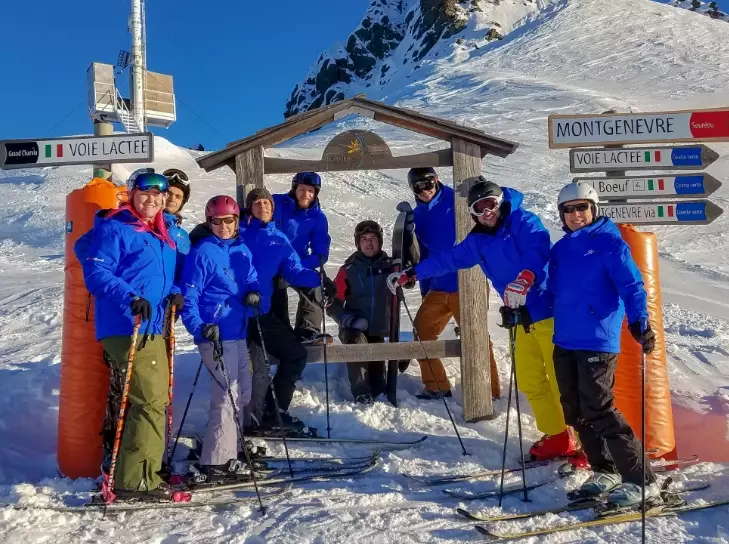
I spent a season working in the French Alps, and let me tell you, it was a mix of the most incredible moments of my life and some seriously hard work. The free accommodation? It was a tiny room I shared with another seasonaire, but it was five minutes from the lift. That trade-off was everything.
This guide isn't just a list of jobs. It's the down-to-earth, practical advice I wish I'd had before I went. We'll cut through the hype and talk about how you actually find these roles, what the housing is really like (the good, the bad, and the cramped), and how to make sure you're set up for an amazing season, not a stressful one.
Why Bother with a Ski Season Job in Europe?
Before we dive into the how, let's talk about the why. Sure, the free skiing is a massive draw. But a ski season is more than a long holiday. It's a unique life chapter.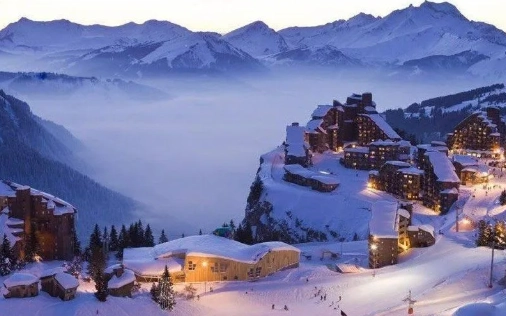
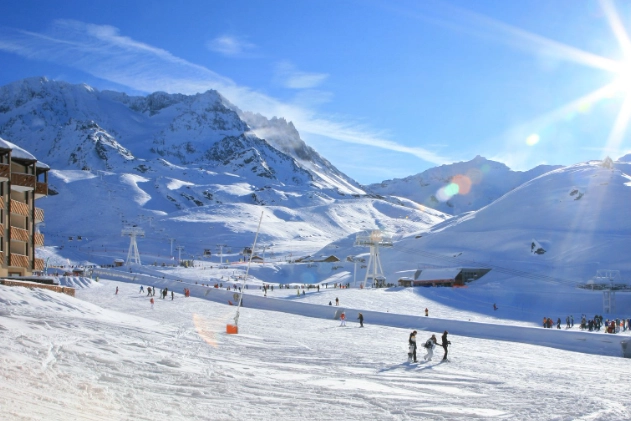
You get to live in some of the most stunning mountain environments on the planet. Think waking up to views of the Mont Blanc massif or the Dolomites. You become part of a tight-knit, international community. The friends you make sharing a tiny apartment or working long shifts together often become friends for life. On a practical level, it's a chance to save money (if you're careful) as your biggest expense – rent – is covered. You also build serious life skills: resilience, customer service, maybe a new language, and the ability to work hard and play hard.
But it's not for everyone.
The work can be physically demanding, hours are long (especially during peak weeks like Christmas and February half-term), and living in staff accommodation means very little personal space. You have to be okay with that.
The Big Question: What Jobs Actually Come with a Roof Over Your Head?
Not all roles offer housing. It's a cost for the employer, so they reserve it for positions that are essential, hard to fill locally, or require you to be on-call. Here’s the breakdown of the most common ones.
1. The Frontline Resort Roles
These are the jobs that keep the resort running for guests. Employers know they can't find enough local people to do them, so they import seasonal workers like you and me.
- Ski & Snowboard Instructors: If you're qualified (like with BASI, Anwärter, or equivalent), this is one of the best paths to housing. Schools need a reliable team. You'll likely share an apartment with other instructors.
- Chalet Hosts & Chefs: The classic package. You cook and clean for a group of guests in a catered chalet. You usually live in the chalet itself (often in a small basement room) or in very nearby staff housing. Companies like Alpine Elements or VIP Ski are big recruiters here.
- Hotel Staff: Large hotels, especially 4-star and up, need receptionists, waiters, bartenders, housekeepers, and kitchen porters. Live-in roles are common, with housing often being an annex of the hotel.
- Nannies & Childcare (ESF/Kinderski): Big French ski schools like ESF run kindergartens. If you have childcare qualifications, these roles frequently come with shared accommodation.
2. The Mountain Operations Jobs
These are the behind-the-scenes heroes. The work starts early, often before the first lift spins.
- Lift Operators: Checking tickets, loading chairs, and helping guests. It's shift work, sometimes in all weathers, but you're right there on the mountain.
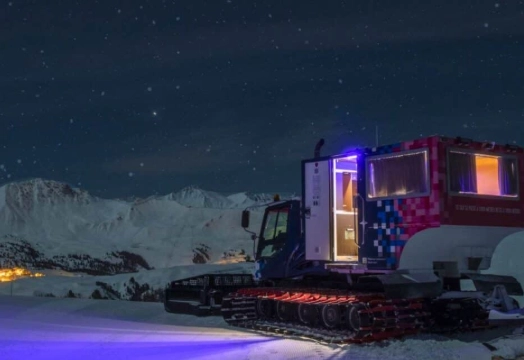
- Piste Bashers/Groomer Drivers: Requires specific licenses and experience. It's a highly skilled night job, but it's crucial. Housing is almost always provided as you work anti-social hours.
- Ski Patrollers & First Aiders: Requires advanced medical and mountain rescue training (like being a state-registered paramedic with off-piste expertise). These are highly respected, well-paid roles with housing.
3. The Hospitality & Support Roles
From serving beer to selling lift passes, these roles are everywhere.
- Restaurant & Bar Staff: Especially in resort-owned or large chain restaurants. Expect late finishes.
- Retail Staff (Ski Hire Shops): Fitting boots, servicing skis. You need good customer service skills and some technical knowledge. Larger chains like Skiset or Intersport often provide staff accommodation.
- Resort Representatives & Transfer Hosts: Working for a tour operator, you meet guests at the airport, help them settle in, and run the resort office. You're the face of the company and usually get a shared apartment.
Where to Look: Your Hunt for European Ski Jobs with Accommodation
So, where do you actually find these opportunities? The job market starts heating up (pun intended) in the summer and early autumn for the winter season.
Top Job Boards and Agencies
Don't just rely on one site. Cast a wide net.
- Season Workers: This is a giant in the field. It's a dedicated site for seasonal work, with hundreds of ski resort listings, many specifying housing.
- Jobs in the Alps: A well-respected agency that has been placing people in Swiss and French resorts for decades. They have strong relationships with good employers.
- Resort-specific websites: Big resorts like Val Thorens, Verbier, or St. Anton often have a "Jobs" or "Working in [Resort]" section on their official tourism website. This is a goldmine for direct hires.
- Company Career Pages: Go directly to the source. Major tour operators (Crystal, Inghams, Club Med), large hotel chains, and big ski school websites post their vacancies.
Country-by-Country Breakdown: Where Are Your Best Chances?
Europe isn't one country. Rules, languages, and opportunities vary massively. Here’s a quick comparison to help you decide where to focus your search for ski resort jobs with housing in Europe.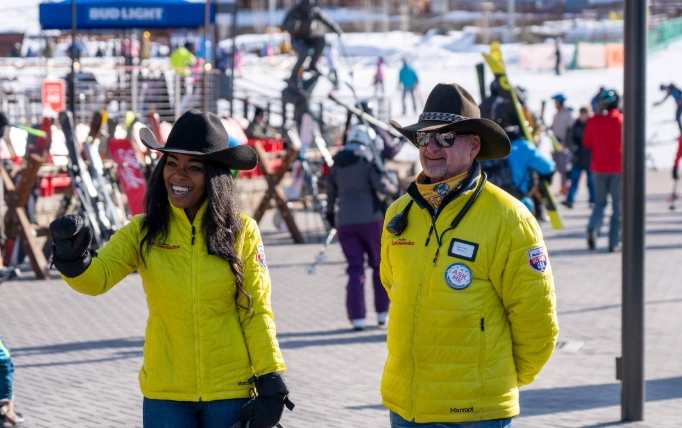
| Country | Pros for Job Seekers | Cons & Challenges | Visa Note (for non-EU citizens) | Typical Housing Style |
|---|---|---|---|---|
| France | Huge number of large resorts. Many big tour operators & hotels. High demand for English-speaking staff. | Can be competitive. French language is a big plus for many guest-facing roles. | Requires a long-stay visa and often a work permit sponsored by employer. Start early! | Often small studio apartments ("studettes") or shared chalet annexes. |
| Switzerland | Very high wages. Excellent standard of housing often provided. Stunning resorts. | Extremely high cost of living outside of provided housing. Quotas for non-Swiss/EU workers make visas tough. | Very difficult for non-EU. Quota system. Employers must prove no EU citizen can do the job. | Often good quality, hotel-style staff residences. |
| Austria | Friendly, welcoming culture. Good mix of large and small resorts. German useful but not always essential in big resorts. | Wages can be lower than France or Switzerland. Some roles require German certification. | Non-EU need a Red-White-Red Card or other work visa, often tied to a specific job offer. | Traditional wooden lodges or apartments, can be basic but cozy. |
| Italy | Fantastic food and atmosphere. Growing number of international operators in the Dolomites. | Fewer large tour operators than France. Italian is a significant advantage. | Similar to others, requires a work visa from outside the EU. Decreto Flows may apply for seasonal work. | Can vary widely, from hotel rooms to shared apartments. |
See? Switzerland pays well but is a visa nightmare for many. France has the most jobs but you'll stand out if you brush up on your French. It's about picking your battle.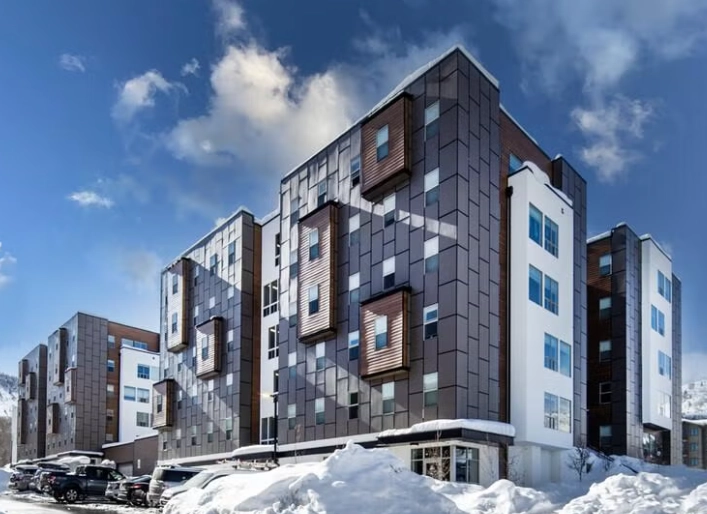
The Nitty-Gritty: Applying, Interviews, and That Crucial Contract
Okay, you've found a job ad that looks perfect. Now what?
Your Application: Be More Than a CV
For these jobs, personality and attitude often trump a flawless CV. They want to know if you can handle the pressure and be a good fit for the team.
- Tailor your CV: Highlight customer service, any hospitality experience, languages, and of course, your love for skiing/snowboarding. Mention if you have any relevant certifications (first aid, food hygiene).
- Write a genuine cover letter: Don't just rehash your CV. Explain why you want this specific job in this specific resort. Show you've done your research.
- Be ready for a video interview: This is standard now. Smile, make eye contact with the camera, and have a tidy background. Be prepared to answer questions like "How would you handle a difficult guest?" or "Why do you want to work a season?"
Understanding Your Contract & Rights
This is where you must pay attention. Don't just sign anything.
The Housing Clause: It should clearly state that accommodation is provided as part of your remuneration. Check if there's any charge (e.g., €50 per month for utilities). It should state the address or that it will be provided upon arrival. If it's vague, ask for clarification.
Other Key Points: Your gross salary, net salary (after deductions), number of working hours per week, holiday entitlement, and notice period. In many European countries, seasonal workers are entitled to the same basic rights as other workers. For authoritative information on working rights in the EU, the European Commission's guide on seasonal workers is an essential read.
And for specific country rules, always check the official government immigration websites. For example, the UK government's page on working in Switzerland (or your home country's equivalent) is a crucial starting point for visa info.
Life in Staff Accommodation: The Unfiltered Truth
Let's talk about the reality of the housing part of ski resort jobs with housing in Europe. My place in France was a 15-square-meter studio for two people. We had a bunk bed, a tiny kitchenette, and a shower room. That was it.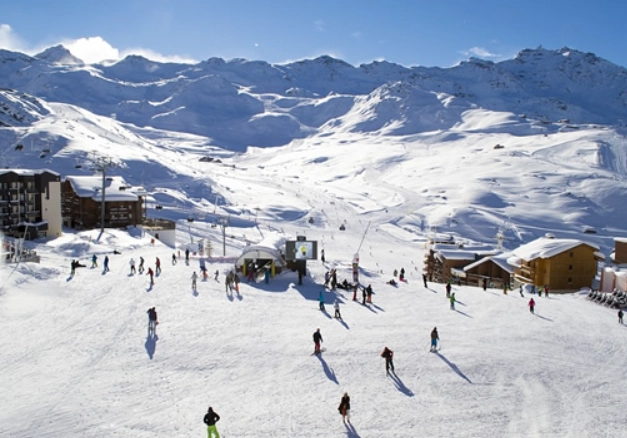
It was cramped. There was no privacy. But it was free, warm, and I could hear the piste bashers grooming the run outside my window. That trade-off defines the experience.
The Good: You're right in the resort, often ski-in/ski-out. You're surrounded by people in the exact same situation, which instantly creates a community. Bills are usually sorted. It's incredibly convenient.
The Bad: Space is minimal. You might share a room or a bathroom with multiple people. Walls can be thin. It can feel like being back in university halls, but with more expensive gear lying around. You have to be tidy and respectful.
My Advice: Pack light. Bring earplugs and an eye mask. A good lock for your valuables is non-negotiable. Be prepared to compromise and communicate with your flatmates from day one. This living situation can make or break your season.
"You don't choose your season family, but they become your everything. We lived on top of each other, worked together, and partied together. I learned more about conflict resolution in that tiny apartment than in any job before." – Sarah, former chalet host in Austria.
Visa Stuff for Non-EU Citizens: Don't Get Caught Out
This is the boring but absolutely critical part. If you're not an EU citizen, you cannot just show up and work.
The process is slow, bureaucratic, and must be started months in advance. Generally, you need a job offer first. Your employer then often acts as your sponsor to help you get a long-stay national visa (D-visa) and/or a work permit. The requirements are strict: proof of the job contract, proof of accommodation (your job provides this!), travel insurance, and sufficient funds.
Start researching visa requirements the moment you start job hunting.
Each country's process is different. Use the official government immigration websites I mentioned earlier. Relying on forum advice from 2018 is a surefire way to have your application rejected. A rejected visa means no job, no housing, no season.
What About Money? Wages and Cost of Living
You're not going to get rich. But with housing covered, you can live comfortably and save for travel if you're smart.
Wages vary hugely. A chalet host in France might earn €900-€1200 net per month, plus tips. A ski instructor with qualifications can earn significantly more, especially from private lessons. In Switzerland, wages might be double that, but a coffee also costs €7.
Your big expenses will be food (even if you get some meals provided), ski pass (often heavily discounted for staff – ask!), equipment, insurance, and socializing. Budget carefully. The first month is expensive with setup costs, but it gets easier.
Frequently Asked Questions (The Stuff You're Secretly Googling)
For many roles with big international operators, English is enough. But learning basic phrases (hello, please, thank you, sorry) is a sign of respect and will make your daily life infinitely easier. For roles dealing directly with local guests (e.g., in a small family hotel), the local language may be essential.
Yes, absolutely. For entry-level roles like kitchen porter, housekeeper, or lift operator, a positive attitude and willingness to work hard are the main requirements. Play up any customer service experience you have, even from retail or volunteering.
Start looking in July/August. The main recruitment push is September to November. Jobs are still posted later, but the best ones with the good housing packages go early. Don't leave it until December.
It's intense. You work hard and play hard. There are amazing staff parties, but there's also a culture of drinking. It's easy to get burnt out. Find your balance. Some of my best memories are quiet nights in the apartment playing cards, not just the big nights out.
Yes, but it requires planning. Apply together and state you're a couple. Some employers have accommodation suitable for couples. Be prepared that you might get different jobs with different companies, which could mean separate housing. It's a conversation to have upfront.
Final Thoughts Before You Hit Apply
Landing one of those ski resort jobs with housing in Europe is a fantastic achievement. It opens the door to a winter you'll never forget. But go in with your eyes open. It's a real job with real responsibilities. The housing is a perk that makes it possible, not a luxury hotel stay.
Do your research, ask the right questions, get your paperwork in order, and pack your sense of adventure (and a good pair of thermal socks). Be a reliable employee, a respectful flatmate, and make the most of every powder day.
The mountain lifestyle gets under your skin. You might just go for one season and end up, like I nearly did, figuring out how to make it a permanent part of your life. Good luck with your search