Let's get straight to the point. The best ski helmet isn't the most expensive one or the one with the flashiest graphics. It's the one that fits your head perfectly, meets rigorous safety standards, and suits the way you actually ski. I've seen too many people in the lodge with a brand-new, top-tier helmet sitting awkwardly on their head, pressure points already forming. They spent a fortune but missed the single most important factor.
This guide is different. We're not just listing products. We're digging into the why behind the choices. We'll look at safety certifications that actually matter, a fitting process most shops rush through, and technologies like MIPS that are worth your attention. I'll share some mistakes I made early on—like prioritizing looks over venting and ending up with a sweaty, fogged-up goggle disaster on a spring day.
Your Quick Navigation Guide
Why Helmet Fit is Everything (And How to Nail It)
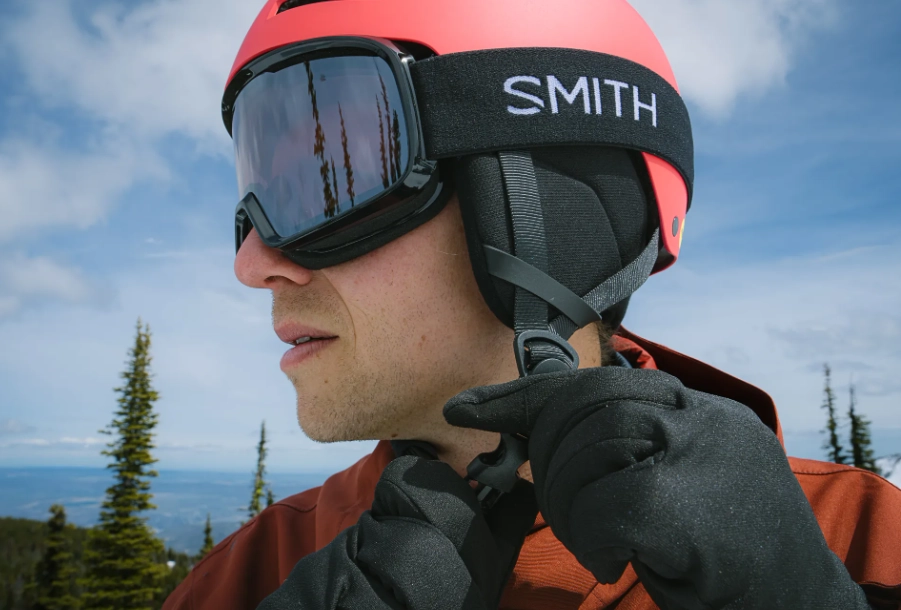
If your helmet doesn't fit right, its safety features are compromised. It can shift on impact or, just as bad, cause headaches that ruin your day. A proper fit feels snug, not tight. It should feel like a firm handshake all around your head, with no specific points of pressure.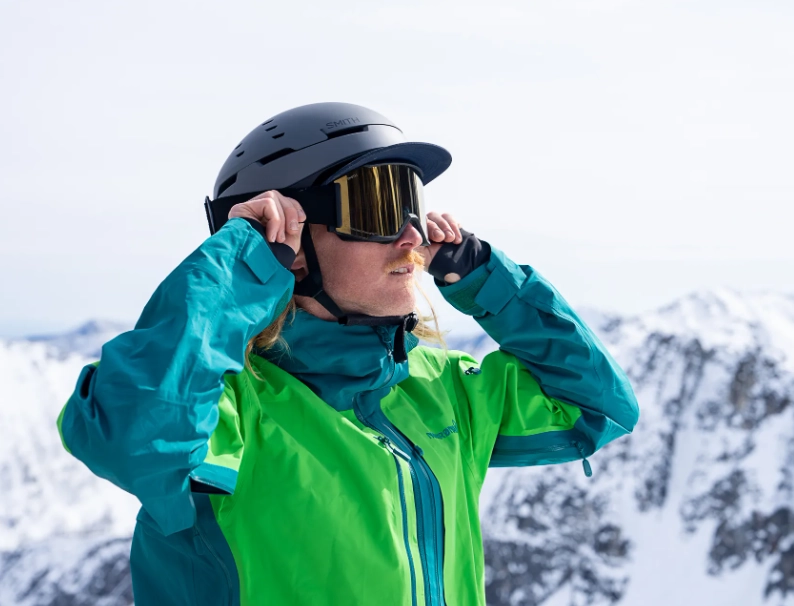
Most brands offer different shell sizes and use adjustable liners (like BOA dials or traditional strap systems) to fine-tune. But start with the right shell.
The 5 Critical Helmet Fit Checkpoints
- Forehead and Brow: The front rim should sit about an inch above your eyebrows. No skin should be pinched when you frown.
- Cheeks and Temples: The padding should contact your cheeks and temples evenly. You shouldn't feel like your face is being squeezed.
- Back of the Head (Occipital Lobe): This is where many helmets fail. The liner must cradle the curve at the back of your skull securely to prevent forward rocking.
- The "Shake Test": With the chin strap buckled, hold your head still and try to rotate the helmet left and right with your hands. Your skin and eyebrows should move with the helmet. If the helmet slides easily over your scalp, it's too big.
- The "Yawn Test": Open your mouth wide in a fake yawn. You should feel the helmet press down slightly on the top of your head. This confirms a proper, secure fit that will stay put during a crash.
Head shape is a huge, often overlooked factor. Brands have distinct fits:
- Round/Oval: Brands like Smith and Giro tend to fit more round/oval heads well.
- Long/Narrow: POC and some Salomon models are often better for longer, narrower head shapes.
You simply must try them on. Ordering online blind is a gamble with your safety and comfort.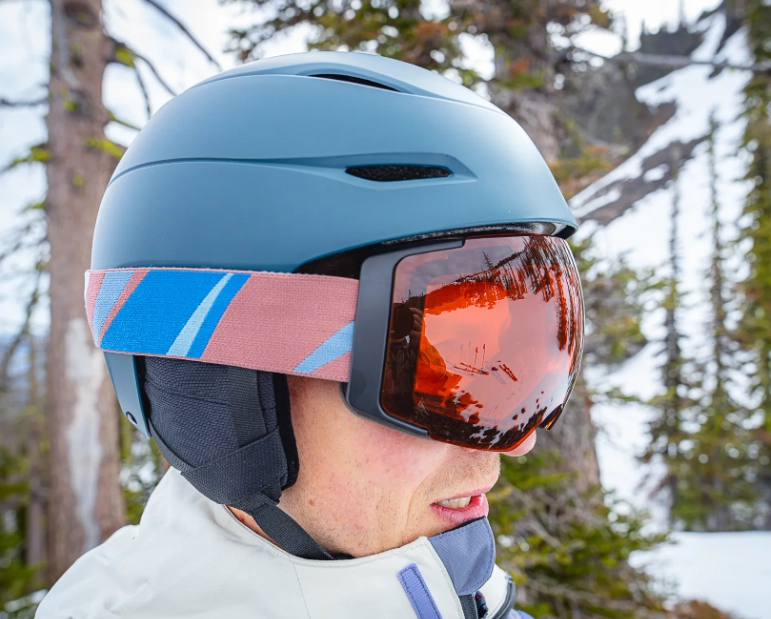
Decoding Safety Standards and MIPS
Look for a certification sticker inside the helmet. In North America and Europe, ASTM F2040 or CE EN 1077 are the key standards. They mean the helmet has passed impact absorption and penetration tests. This is non-negotiable.
Then there's MIPS (Multi-directional Impact Protection System). It's a low-friction liner inside the helmet that allows a slight rotational movement upon impact. Why does this matter? Research suggests that rotational forces during a crash are a major contributor to brain injuries like concussions. MIPS is designed to reduce those forces.
Is it worth it? From my perspective, and looking at the trend in professional and recreational use, yes. It's become the expected baseline for mid-to-high-end helmets. Similar technologies exist, like POC's SPIN (Shearing Pad INside) or Börke's ARCTIC. They all aim to address the same rotational force problem.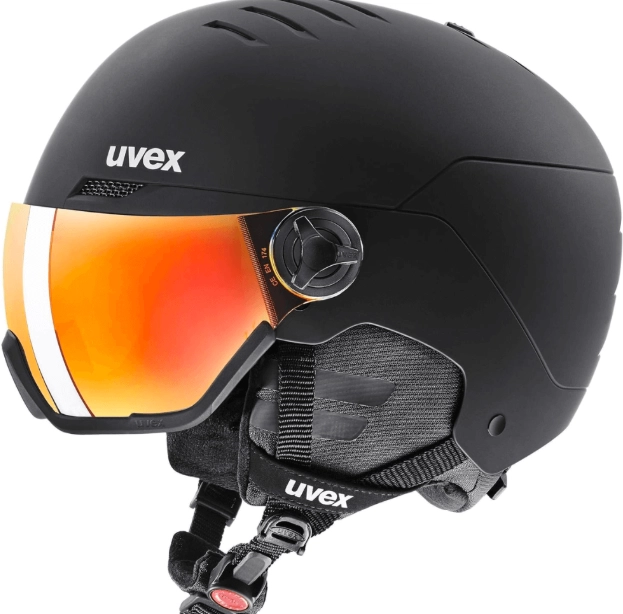
A Critical Note on Safety Ratings: Don't just look for a MIPS badge and call it a day. Institutions like the Virginia Tech Helmet Lab publish independent ratings for ski helmets. They test beyond the basic certifications. A 5-star rated helmet from their tests is a strong data point. I always cross-reference my shortlist with their latest findings—it's revealed some surprisingly poor performers from well-known brands.
Key Features Breakdown: Venting, Weight, and Audio
Once safety and fit are locked down, features define your daily experience.
Ventilation: More vents aren't always better. It's about control. Good helmets have easy-to-open-and-close vents, even with gloves on. For resort skiing on variable days, this is crucial. I prefer a helmet with fewer, larger vents that I can manage over a dozen tiny fixed ones. For backcountry touring, maximum ventilation is king.
Weight: Lighter is generally more comfortable, reducing neck strain. But ultra-light helmets often achieve that by using less material or different foams. Ensure they still carry proper safety certifications. There's a balance.
Goggle Compatibility and Audio: The helmet should have a goggle clip at the back to secure your goggles. Try your goggles with the helmet. Some combos create a gap that lets in cold air. Integrated audio systems (like those from COROS or Outdoor Tech) are convenient, but check if the helmet has dedicated, non-intrusive ear pocket padding for the speakers.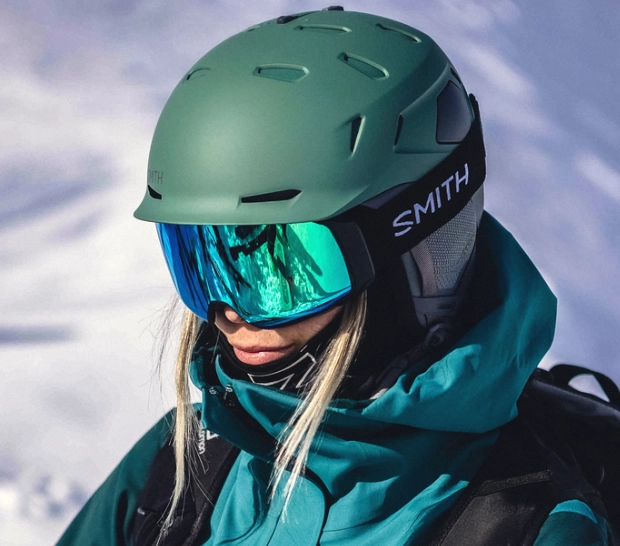
A Look at Top Helmet Models for Different Skiers
Based on years of testing, feedback from ski patrollers, and the latest safety data, here are models that consistently stand out. Remember, fit is personal—this table is a starting point.
d>AEROCORE construction, Koroyd, MIPS| Model | Best For | Key Safety Tech | Weight (approx.) | Ventilation | Notable Fit |
|---|---|---|---|---|---|
| Smith Vantage MIPS | All-mountain resort skiers who want top-tier everything. | Medium | Excellent, 21 vents with easy controls. | Round to intermediate oval. Very adjustable. | |
| Giro Ledge MIPS | Value-conscious skiers needing proven safety. | In-Mold construction, MIPS | Medium-Light | Good, 15 vents. | Relaxed, round fit. Great for larger heads. |
| POC Obex SPIN | Those prioritizing maximum certified protection. | SPIN (shearing pads), EPS foam, reinforced construction. | Heavier | Moderate. Focus is on protection. | Longer, narrower fit. Try it on. |
| Sweet Protection Switcher MIPS | Freeriders and aggressive skiers. | Dual-density foam, MIPS, removable earpads for sound. | Medium | Very good, adjustable. | Intermediate oval. Secure, performance fit. |
| Salomon MTN Lab | Backcountry ski tourers. | Lightweight hybrid construction, MIPS. | Very Light | Superb, massive vents for uphill travel. | Neutral to slightly narrow. |
Helmet Care, Maintenance, and When to Replace It
Helmets degrade. Sweat, oils, UV exposure, and temperature changes break down the materials over time. The general rule is to replace your helmet every 5 years, even without a crash. Check the manufacturer's recommendation.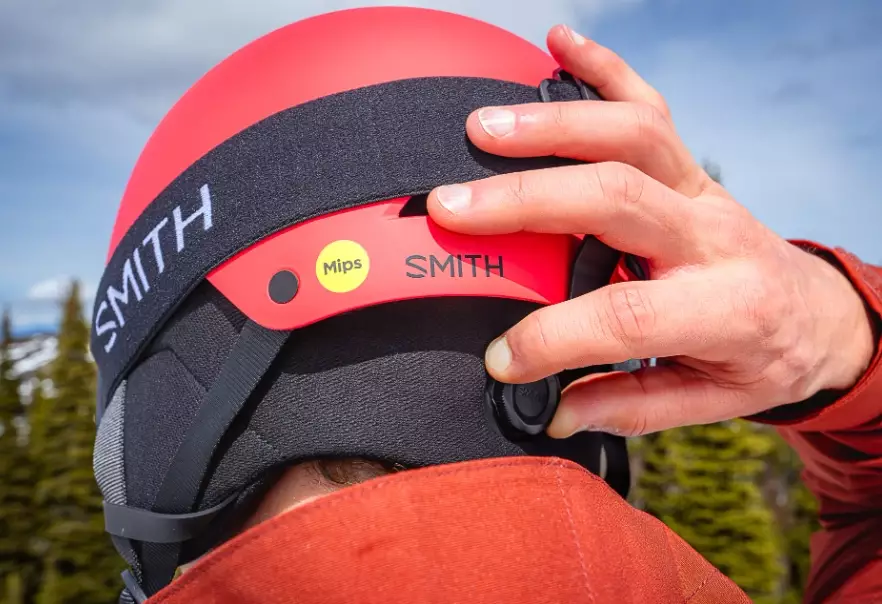
Replace immediately after any significant impact. The EPS foam liner is designed to crush once to absorb energy. Even if there's no visible crack, its protective capacity is compromised. This isn't a marketing ploy—it's physics.
For cleaning, use mild soap and water on the liner. Never use harsh chemicals or solvents. Let it air dry completely, never on a heater.