Walking into a ski shop or scrolling through an online store for the first time is overwhelming. Skis, boots, poles, helmets, goggles, layers upon layers of clothing—it feels like you need a degree in engineering just to get started. I remember my first trip, staring at a wall of boots, completely clueless. The good news? You don't need everything, and you certainly don't need the most expensive stuff. The goal for your first set of ski equipment is simple: comfort, control, and safety. Let's break down exactly what you need, why you need it, and how to avoid the common traps that waste money and ruin your day.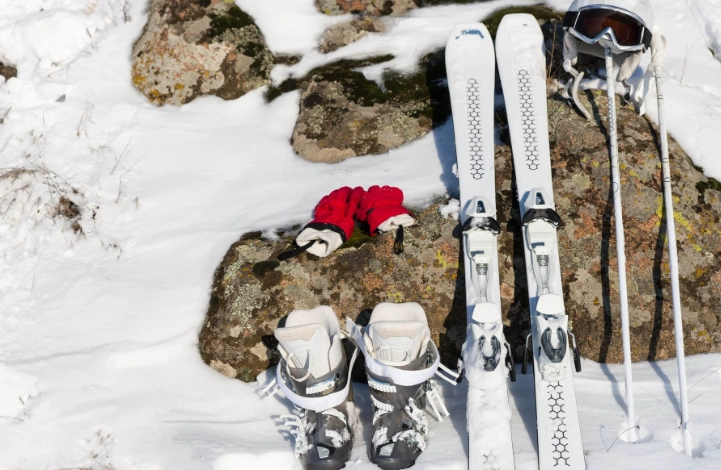
What You'll Find in This Guide
How to Choose the Right Skis as a Beginner
Forget about graphics or what your friend uses. Beginner skis have one job: to be forgiving. They're designed to help you learn, not to go fast or carve ice.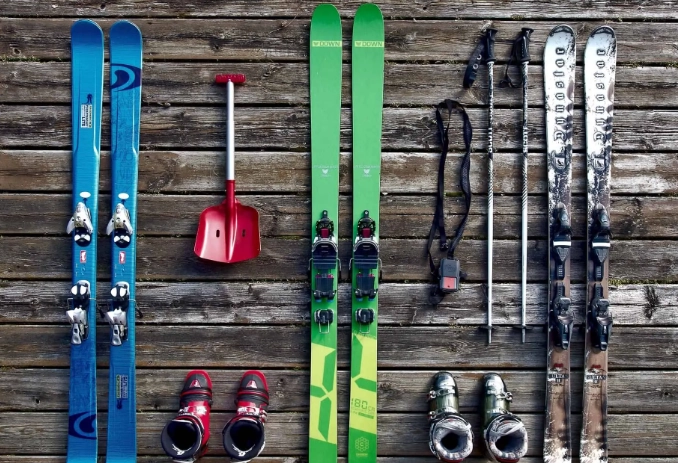
The biggest shift in the last 20 years is shape. Modern beginner skis are much wider at the tip and tail than in the middle (this is called "rocker" and "sidecut"). This shape makes them turn easier with less effort. You're not wrestling the ski; you're guiding it.
Key Features to Look For
Flex: You want a soft to medium flex. A stiff ski is demanding and punishing for small errors. A soft ski will bend easily, making your turns smoother and helping you recover from mistakes.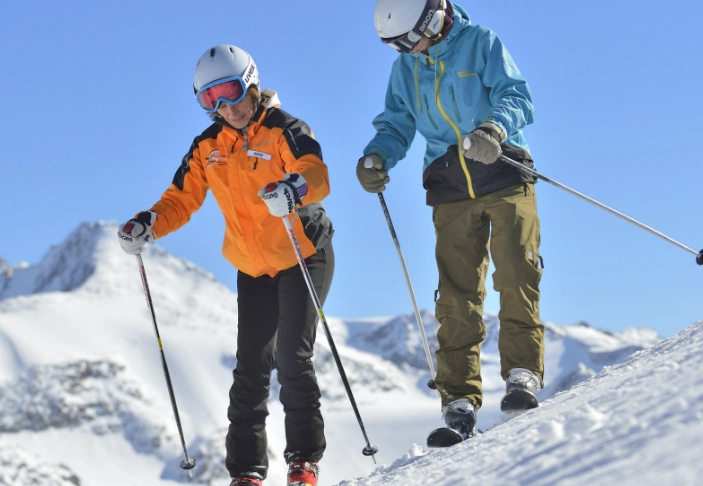
Width: Look for a waist width between 75mm and 85mm. This is the ski's width under your boot. This range is perfect for groomed resort runs. Wider skis (90mm+) are for powder and can feel clumsy for a beginner on hard snow.
Length: The old "chin-to-nose" rule is a starting point, but with modern shapes, you can often go shorter. A ski that hits somewhere between your collarbone and chin is a safe bet. Shorter equals more maneuverable. A good rental shop will factor in your weight and ability, not just height.
| Ski Type | Best For | Key Characteristic | Beginner Example Models |
|---|---|---|---|
| All-Mountain Frontside | First-time buyers, staying on groomed runs | Soft flex, narrow waist (75-85mm), easy turn initiation | Rossignol Experience 74, K2 Disruption 78C |
| All-Mountain | Beginners who see 5+ days a season | Slightly wider (80-90mm), more versatile for varied snow | Elan Wingman 86 CTi, Head V-Shape V8 |
| Rental/Demo Skis | Your first 1-3 trips | Durable, tunable, designed for high mileage and progression | Salomon S/Race, Atomic Savor |
Why Ski Boots Matter More Than Anything Else
If you invest in one piece of gear first, make it the boots. Your skis are tools; your boots are the connection between you and the tools. A bad boot fit means a bad day, period.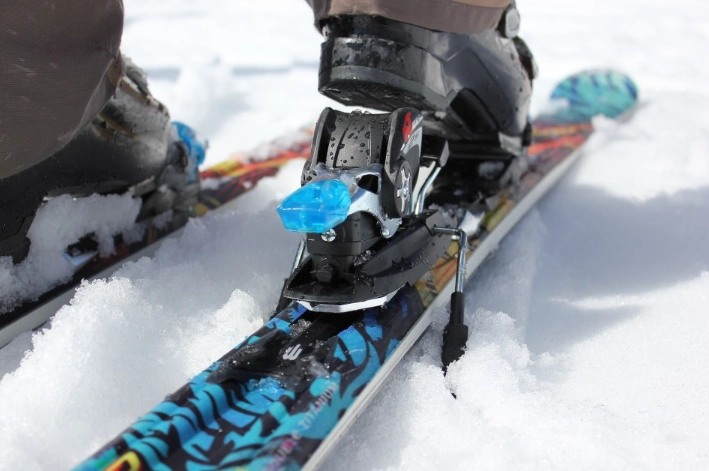
The most common mistake I see? People buying boots that are too big. You don't want room to wiggle your toes. Your foot should be snug, even slightly compressed, when you first put them on. When you flex forward into a skiing position, your heel pulls back and your toes get a bit of space.
Getting the Fit Right
Visit a professional boot fitter. Not a general sports store clerk, but someone in a dedicated ski shop. They'll measure your foot's length, width, and volume—the overall space your foot takes up. Brands like Lange tend to fit lower-volume feet, while Nordica or Dalbello often suit higher-volume feet.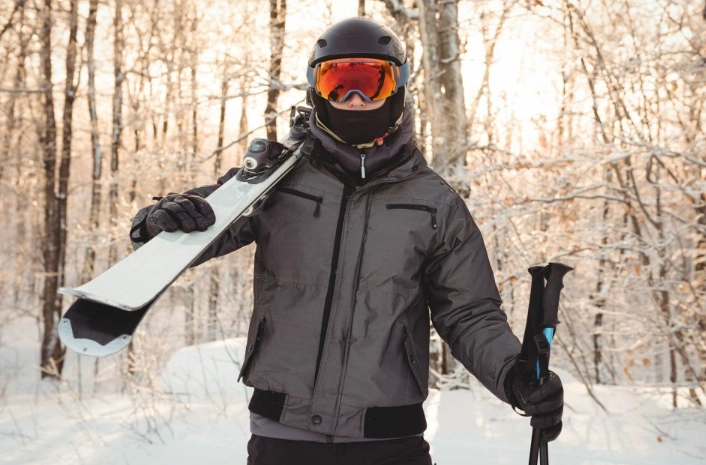
Flex: For adult beginners, a flex rating of 70-90 is ideal. This number isn't standardized, but lower is softer. A softer flex is easier to control and more forgiving. Kids and lighter adults should be on the lower end.
Plan to spend at least 45 minutes in the shop. Put both boots on, buckle them (snug, not tourniquet-tight), and walk around. Flex forward. Do your heels stay locked in place? That's the "heel hold"—it's everything. Any lift or slip means the boot is too big in that critical area.
The Complete Beginner Ski Equipment List
Beyond skis and boots, here’s what you actually need, broken into essentials and nice-to-haves.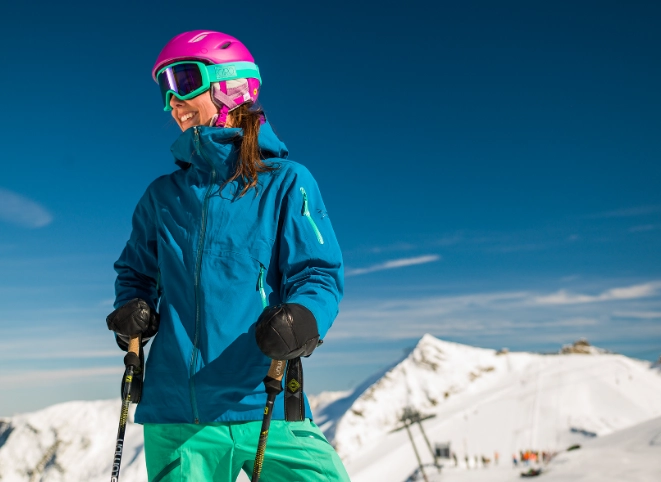
The Non-Negotiable Essentials
- Helmet: This isn't optional. Modern helmets are light, warm, and can save your life. Fit is key—it should be snug without pressure points. Look for a certification like CE EN 1077 or ASTM F2040. MIPS technology is a worthwhile upgrade for added protection against rotational forces.
- Ski Socks (2 pairs): One pair. Thin, knee-high, made of merino wool or synthetic blend. No cotton. They should be seamless in the toe area to prevent blisters. Brands like Smartwool or Darn Tough are reliable.
- Base Layers: Moisture-wicking top and bottom. Again, avoid cotton. Merino wool or polyester. This is your personal climate control.
- Ski Gloves or Mittens: Mittens are warmer for most. Look for waterproof ratings (like 10k/10k) and insulation. Get a pair with a long cuff to keep snow out.
- Goggles: They protect your eyes from wind, snow, and UV glare. Fit them with your helmet. For most conditions, a lens with a VLT (Visible Light Transmission) of 20-40% works well. If you wear glasses, look for OTG (Over-The-Glasses) models or invest in prescription inserts.
The "You'll Be Glad You Have It" List
- Insulating Mid-Layer: A fleece or lightweight puffy jacket to add warmth under your shell.
- Waterproof Ski Jacket & Pants (Shell): These don't need to be super insulated if you layer well. Waterproof rating (e.g., 10,000mm) and sealed seams are crucial. Venting zippers are a huge bonus.
- Neck Gaiter or Balaclava: Protects your face and neck from windburn.
- Ski Poles: For beginners, they're mostly for timing and rhythm. To size, flip the pole upside down and grab it under the basket. Your forearm should be parallel to the floor. Rental poles are perfectly fine.
Smart Buying Strategy: Rent, Buy, or Something In Between?
Throwing $2,000 at a full kit before your first lesson is a bad idea. Here's a phased approach.
Phase 1: The First Trip (Rent Almost Everything)
Rent your skis, boots, poles, and helmet from a reputable shop in your resort town, not the airport. On-site shops have newer, better-maintained gear and staff who understand local conditions. Use this trip to confirm you even like skiing. Spend your money on good base layers, socks, and goggles—items that are personal and hygienic.
Phase 2: The Committed Beginner (3+ days a season)
Now consider buying boots. A custom-fit boot changes the game. Next, buy your own helmet and goggles. You now own the core comfort and safety items. Keep renting skis; you're still progressing and might change your mind on what you like.
Phase 3: The Regular (Buying Skis)
If you're skiing 5+ days a year, buying skis makes financial sense. Look for previous season's models—they're often 30-40% cheaper with minimal changes. Pair them with a simple binding from a trusted brand like Look, Tyrolia, or Salomon. A shop will mount them for you.
I made the mistake of buying skis too early. I got a great deal on a pair of aggressive all-mountain skis after my second trip. They were too much ski for me, made learning harder, and I sold them at a loss a year later. Start slow.
Your Beginner Ski Gear Questions, Answered
The right gear removes barriers to learning. It lets you focus on the feeling of sliding on snow, not on cold feet or pinched toes. Start with the essentials, prioritize fit over flash, and build your kit gradually as your passion for the sport grows. Remember, organizations like the International Ski Federation (FIS) emphasize safety standards, and retailers like REI offer great beginner buying guides. Now get out there—the mountains are waiting.