Let's cut to the chase. Ski injuries aren't just bad luck—they're often preventable with the right knowledge. I've spent over a decade skiing everything from icy East Coast groomers to deep powder in the Rockies, and I've seen too many friends sidelined by avoidable accidents. This guide isn't a list of generic tips. It's a deep dive into what actually works, based on research from sources like the U.S. Ski & Snowboard Association and hard-earned lessons from the mountain.
What You'll Learn in This Guide
The Real Stats on Common Ski Injuries
Most skiers worry about broken legs, but the data tells a different story. According to a report from the National Ski Areas Association, knee sprains (especially ACL tears) account for about 30% of all skiing injuries. Shoulder dislocations and wrist fractures are next, often from falling on outstretched hands. Head injuries? Less than 10%, thanks to helmet use, but still critical.
Here's what many miss: most injuries happen in the afternoon, when fatigue sets in. I remember a trip to Utah where my buddy Tom—a solid skier—tore his MCL on the last run of the day. He was tired, the light was flat, and he caught an edge. It wasn't about skill; it was about awareness.
Your Equipment Checklist: Beyond the Basics
Sure, you know to wear a helmet. But equipment for ski injuries prevention goes way deeper. Let's break it down.
Skis and Bindings: The Release Matters
Bindings are your most important safety gear. If they don't release properly during a fall, you're looking at twisted knees or worse. Most rental shops set bindings based on a chart, but here's the kicker: they often set them too tight for recreational skiers. Why? They assume you'll be aggressive, but if you're not, that extra tension keeps the ski attached when it shouldn't.
When you get your bindings adjusted, insist on a release check. Tell the technician your exact weight with all your gear on (add 10-15 pounds for clothing), your skiing ability (be brutally honest—if you're an intermediate, say so), and any past injuries. A study by the International Society for Skiing Safety highlights that proper binding release reduces knee injury risk by up to 50%.
| Equipment | What to Check | Why It Prevents Injuries |
|---|---|---|
| Ski Boots | Forward lean angle, flex rating, cuff alignment | Improper alignment forces awkward posture, leading to back pain and falls. |
| Bindings | Release setting (DIN), lateral and vertical release | Correct release prevents ligament tears by allowing ski to detach during twists. |
| Helmet | Fit (snug, not tight), certification (ASTM F2040) | Reduces head injury severity; replace after any major impact. |
| Poles | Grip comfort, strap adjustment | Prevents wrist strain and helps with balance during turns. |
Boots: The Foundation of Control
I made this mistake early on: buying boots that were too stiff. A flex rating of 130 might sound cool, but if you're not racing, it forces your legs to work harder, increasing fatigue. For most skiers, a flex of 90-110 is ideal. Visit a bootfitter—not just any store. They'll measure your foot volume, arch, and calf shape. A good fitter might add custom footbeds or adjust the cuff cant. It costs extra, but think of it as insurance. My own boots were causing subtle knee pain until a fitter added a 2-degree cant; the difference was night and day.
Technique Fixes That Most Skiers Ignore
Here's where I see skiers go wrong. They focus on going fast or making perfect turns, but neglect the fundamentals that prevent falls.
Weight Distribution: Stop Leaning Back
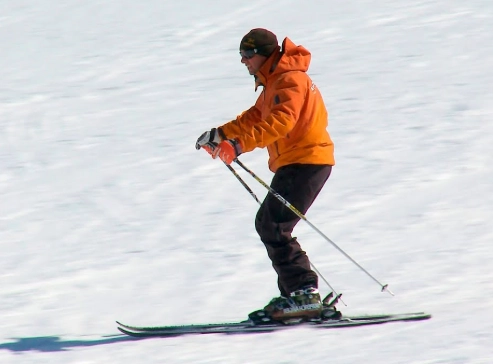
The biggest error? Leaning back to control speed on steep terrain. It feels safe, but it unweights the ski tips, reducing control. When you hit a bump or ice patch, your skis can't grip, and you're more likely to fall backward, putting stress on your knees and tailbone. Instead, keep your weight centered over the middle of your skis. Practice on a gentle slope: make small turns and feel pressure on the shins of your boots. This engages the front edges and gives you stability.
Another tip: look ahead, not down at your skis. Your body follows your eyes. If you stare at the snow right in front of you, you'll react too late to obstacles.
Turning and Stopping: Use Your Edges
Sharp turns aren't just for style—they help manage speed without relying on the "pizza wedge" too much. The wedge is fine for beginners, but overusing it strains the inner knees. Learn to parallel turn by rolling your ankles and knees into the turn. Start on a green run: initiate the turn with your downhill knee, and let the skis carve. It feels awkward at first, but it distributes force evenly.
A 10-Minute Warm-Up Routine That Actually Helps
Static stretching before skiing? Forget it. It can actually reduce muscle power. Dynamic warm-ups are key. Do this at the base of the mountain, before your first lift ride.
- Leg Swings: 20 swings per leg, forward and side-to-side. Loosens hips and hamstrings.
- Ankle Circles: 10 circles each direction per foot. Improves ankle mobility for edge control.
- Bodyweight Squats: 15 reps, going low. Activates quads and glutes—the muscles you'll use most.
- Arm Circles: 30 seconds forward, 30 seconds backward. Prevents shoulder stiffness.
- Light Jog in Place: 1 minute. Gets your heart rate up and blood flowing.
I used to skip warm-ups, thinking I'd "ease into it" on the slopes. Then I pulled a calf muscle on my first run. Now, I never skip this routine—it takes less time than waiting in the lift line.
On-Slope Strategies for Risk Management
Prevention doesn't stop with gear and technique. How you ski matters just as much.
Read the Terrain and Conditions
Ice, moguls, crud—each requires adjustment. On icy patches, shorten your turns and keep your skis flat initially to avoid catching edges. In moguls, absorb the bumps with your knees, not your back. And if you're in deep powder, lean back slightly (yes, contradicting earlier advice, but context matters) to keep the ski tips up.
Check the weather report. Low visibility? Slow down. I've seen more collisions on foggy days than any other time.
Fatigue Management
Most injuries happen when you're tired. Set a rule: take a break every 90 minutes. Hydrate with water, not just coffee or beer. Eat a snack—something with carbs and protein, like a energy bar. Listen to your body. If your legs feel like jelly, call it a day. There's no shame in quitting early. I learned this after pushing through fatigue and ending up with a minor wrist sprain from a silly fall.
Case Study: How a Small Adjustment Prevented a Major Injury
Let me tell you about Sarah, a friend who's an intermediate skier. She rented skis at a popular resort, and the shop set her bindings at a DIN of 7—standard for her weight. But she skis cautiously, mostly on blues. One day, she caught an edge on a cat track and twisted her knee. The binding didn't release. Luckily, it was just a mild sprain, but it could have been worse.
After that, she went to a specialist who adjusted her DIN to 5.5, accounting for her skier type (Type II, moderate). The next season, she had a similar fall, and the ski popped off cleanly. No injury. The lesson? Customize your settings. Don't rely on defaults.