Quick Guide
- The Soul of Each Sport: It's More Than Just Skis
- The Nitty-Gritty Comparison: Gear, Terrain, and Feel
- Who Is Each Sport Really For? (Be Honest With Yourself)
- The Real-World Practicalities: Cost, Learning, and Access
- Common Questions Answered (The Stuff You're Actually Searching For)
- My Final, Unvarnished Advice
Alright, let's talk skiing. But not just any skiing – we're diving into the world of free heels and different philosophies. You've probably stumbled upon videos of people gracefully (or not so gracefully) lunging down mountains, or gliding silently through snowy woods. That's the world of telemark skiing vs cross country skiing staring you right in the face.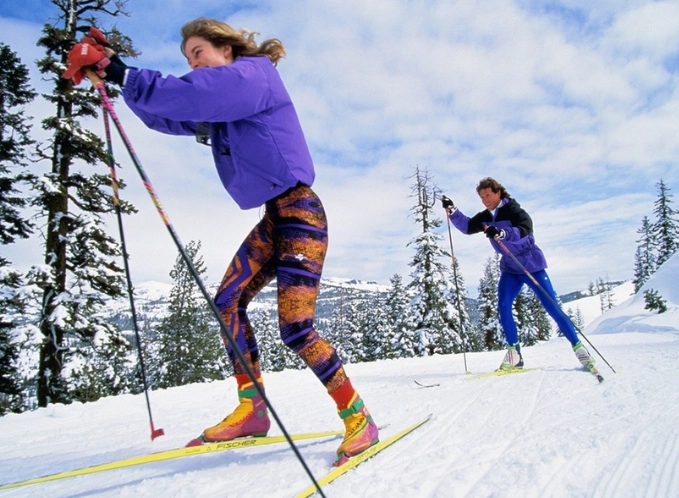
And you're here because you're trying to figure out which one is for you. Is it the rugged, turn-focused telemark, or the endurance-focused glide of cross country? It's not just a gear choice; it's almost a lifestyle choice. I remember the first time I tried telemark – I think I spent more time face-down in the snow than actually skiing. Cross country, on the other hand, felt deceptively simple until I hit my first real hill.
So let's break this down, not with marketing fluff, but with the real stuff you need to know before you spend a dime on gear or a lesson.
The Soul of Each Sport: It's More Than Just Skis
To really get the difference between telemark and cross country skiing, you have to look past the equipment. It's about what you want from the snow.
Telemark Skiing: The Freedom of the Turn
Telemark is, at its heart, about downhill freedom. It originated in Norway (Telemark county, hence the name) as a way to travel and descend mountainous terrain. The signature move is the telemark turn – a deep lunge where the lead knee is bent, the back knee drops toward the ski, and the heel is free to lift. It's fluid, it's athletic, and when done right, it's beautiful.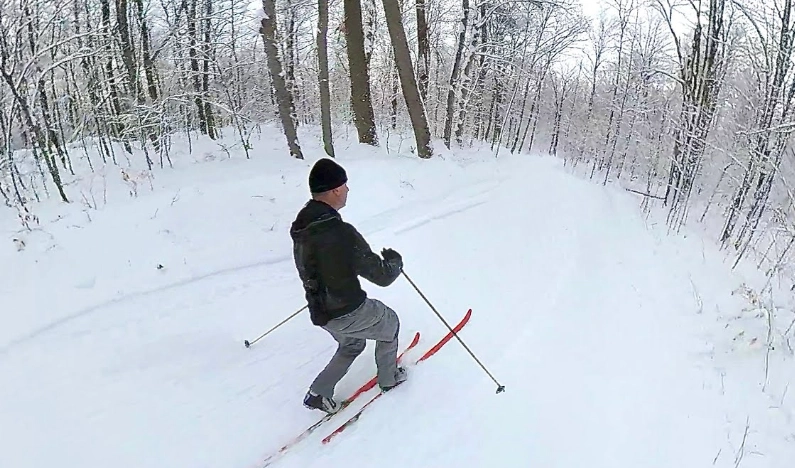
But here's the thing nobody tells you upfront: it's hard. The learning curve is steep. You're essentially doing a lunge on a slippery slope while managing speed and direction. It requires strength, balance, and a fair bit of patience. The reward? Access. With a free heel, you can climb up most anything you can ski down. It's the original backcountry touring setup, and it opens up terrain that would require skins or hiking on alpine gear. You're not limited to resorts; you're limited by your own legs and courage.
Cross Country Skiing: The Art of Efficient Travel
Cross country skiing (often called XC) is a different beast entirely. Its primary goal is efficient travel across flat or rolling snowy landscapes. Think of it as winter hiking or running, but on skis. The focus is on glide and kick – propelling yourself forward with a rhythmic stride.
There are two main styles you'll hear about: Classic and Skate Skiing. Classic is the diagonal stride you probably picture, skiing in set tracks. Skate skiing is more like ice skating on skis, using your edges to push off at an angle. It's faster and more athletic, but requires dedicated groomed trails.
The vibe here is often more serene. You're in forests, across frozen lakes, on dedicated trail networks. It's less about adrenaline-pumping descents and more about cardiovascular rhythm, nature immersion, and covering distance. It's arguably one of the best full-body workouts you can get in winter.
So, which one calls to you? The mountain conqueror or the winter trail explorer? The answer isn't always clear-cut.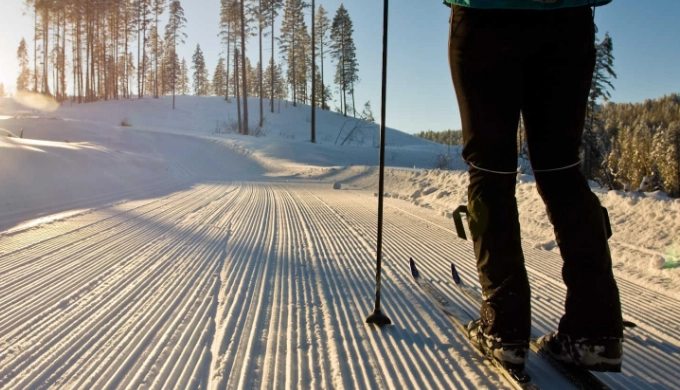
The Nitty-Gritty Comparison: Gear, Terrain, and Feel
Let's get practical. When you're comparing telemark skiing vs cross country skiing, the devil is in the details. Here’s a breakdown that goes beyond the basics.
| Aspect | Telemark Skiing | Cross Country Skiing (Classic/Backcountry Focus) |
|---|---|---|
| Primary Goal | Descending variable, often steep, terrain with the ability to climb. | Efficient travel across flat or rolling terrain. |
| Boot & Binding | Sturdy, cuff-high boots that flex at the ball of the foot. Bindings attach only at the toe, heel is free. | Lightweight, low-cut boots that attach only at the toe. Heel is always free to lift. |
| Ski Design | Wider underfoot (85-110mm+), with sidecut for turning. Often heavier, built for stability at speed. | Narrow (44-65mm for classic), light, with a camber for glide and often a "wax pocket" or fishscales for grip. |
| Typical Terrain | Backcountry bowls, resort slopes, mountain passes, ungroomed snow. | Groomed trail networks, forest roads, rolling hills, flat frozen lakes. |
| Movement Pattern | Telemark turn (lunge), alpine-like turns, herringbone climbs. | Diagonal stride (classic), double poling, skate push (skate). |
| Physical Demand | High burst strength, powerful legs, core stability, balance for descents. | Extreme cardiovascular endurance, rhythmic full-body coordination. |
| Learning Curve | Steep. Mastering the telemark turn takes significant practice and athleticism. | Moderate to Steep. Basic gliding is easy; efficient technique takes time. Skate skiing is very technical. |
| Cost of Entry (Mid-Range Gear) | High. Boots, bindings, skis, poles can easily exceed $1000. Similar to alpine setup. | Moderate. A good classic setup can be found for $400-$700. Skate gear is more. |
| Where to Do It | Ski resorts (often requiring an "uphill" pass), backcountry zones, any snowy mountain. | Dedicated XC ski centers, golf courses, rail-trails, national parks with trails. |
Looking at that table, the distinction in purpose becomes crystal clear. Telemark gear is built for downhill performance with uphill capability. Cross country gear is built for flatland efficiency. Trying to do serious downhill on classic XC skis is a recipe for a crash. Trying to tour efficiently for miles on telemark skis will exhaust you faster than you'd think.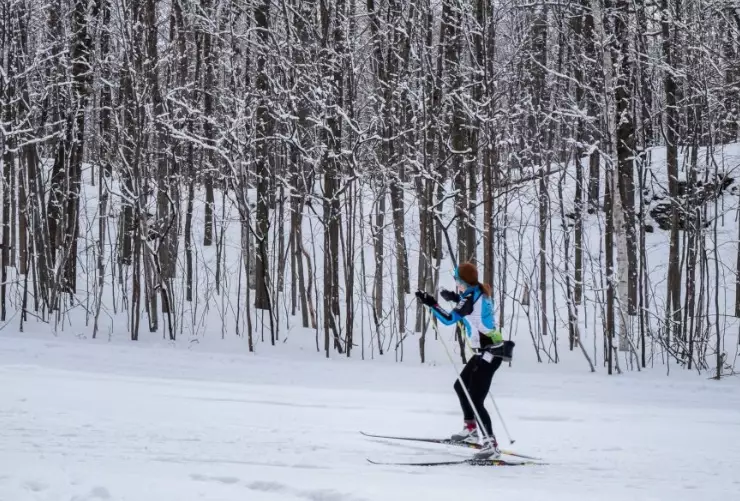
Who Is Each Sport Really For? (Be Honest With Yourself)
Let's match the sport to the person. This isn't about good or bad, but about fit.
You Might Be a Telemark Skier If...
- You love downhill skiing but crave more adventure beyond resort boundaries.
- You enjoy backcountry hiking and want a way to ski down what you climb.
- You're an alpine skier looking for a new, more physically engaging challenge.
- You value self-sufficiency and the "earn your turns" philosophy.
- You have strong legs and good balance, and don't mind a serious technical learning curve.
- The idea of mastering a graceful, lunging turn is appealing on an aesthetic level.
You Might Be a Cross Country Skier If...
- You prioritize fitness and want an incredible winter cardio workout.
- You love peaceful, rhythmic movement in nature – think winter trail running or hiking.
- You want a more accessible and affordable way to get on snow regularly.
- You live in an area with rolling terrain, golf courses, or extensive trail networks.
- You enjoy the technical puzzle of mastering efficient glide and kick.
- Speed on flat ground is more exciting to you than steep, technical descents.
See the divide? It's often about personality. I know guys who live for the grind of a 3000-foot climb just for the wild, untracked descent on telemark skis. And I know others who find pure joy in the meditative glide of a 10-mile XC loop, watching the winter woods go by.
The Real-World Practicalities: Cost, Learning, and Access
Dreams are one thing. Your budget, schedule, and local geography are another. Let's get real.
Cost Breakdown: Where Your Money Goes
Telemark is expensive. There's no sugarcoating it. The boots are specialized, the bindings are complex, and the skis are similar to high-end alpine skis. A new, decent setup will run you well over a grand. You also need climbing skins, appropriate clothing layers, and safety gear (beacon, probe, shovel) for the backcountry. Resort access or parking at trailheads often costs money too.
Cross country skiing has a wider range. You can get a basic, entry-level classic setup for a few hundred dollars. As you get into performance skate skis or high-end backcountry XC skis (like the types used in forest service terrains), the price climbs, but it rarely reaches telemark levels. The biggest cost for XC is often the trail pass at a groomed center, which is usually far cheaper than a downhill resort lift ticket.
The Learning Journey: Patience Required
I tell everyone: start with a lesson. For telemark, it's non-negotiable. The mechanics are so foreign that trying to self-teach from YouTube will lead to frustration and bad habits. Find an instructor or a clinic. Expect to spend your first few days on gentle slopes, drilling the lunge motion. It takes most people a full season to feel even remotely comfortable linking turns on blue runs.
Cross country has a lower barrier to entry for basic movement. You can often "shuffle" around on classic skis fairly quickly. But to actually glide efficiently and tackle hills? That takes instruction too. Skate skiing is highly technical and absolutely requires coaching to learn properly. The U.S. Ski & Snowboard association has great resources on finding certified instructors for both disciplines.
Which is harder? Most would say telemark, simply because balancing on a free heel while descending at speed is inherently unstable. But a fit runner might find the cardiovascular demand of high-level skate skiing just as challenging in a different way.
Where Can You Actually Do This?
Your location might decide for you. If you live in the flat Midwest, finding meaningful telemark terrain is a pilgrimage. Your world is perfect for cross country. If you live in the Rockies or the Alps, with mountains in your backyard, telemark or backcountry-focused XC (like what's often called "ski touring" on lighter gear) becomes a daily possibility.
Check out local clubs. The Telemark Down community is a fantastic resource for finding telemark skiers. For cross country, local Nordic centers are hubs of information and community.
Common Questions Answered (The Stuff You're Actually Searching For)
My Final, Unvarnished Advice
Look, I love both. There are days when nothing beats the heart-pumping climb and the silent, untracked descent on my telemark skis. It feels pure and adventurous. But there are just as many days when I crave the mind-clearing rhythm of a long skate ski on a groomed trail, feeling my heart and lungs work in sync.
If you're completely new to winter sports and just want to get outside and move, start with classic cross country skiing. Rent some gear, take a lesson at a local Nordic center, and see how it feels. The barrier to fun is lower.
If you're an experienced alpine skier who's bored with lift lines and wants to explore the other side of the rope, telemark skiing (or its cousin, Alpine Touring with a free-heel binding) is your natural next step. Just be ready for the humility that comes with being a beginner again.
Ultimately, the choice between telemark skiing vs cross country skiing isn't about which is objectively better. It's about which landscape calls to you, which movement speaks to your body, and what kind of winter experience you're trying to create. One isn't a substitute for the other; they are different languages for speaking to the snow.
The best advice? Try them both if you can. A demo day or a rental package is a small investment to answer the big question. Your legs—and your winter—will thank you.
Now get out there. The snow's not getting any fresher.