In This Article
Let's be honest, when you think of South Africa, winter sports aren't the first thing that pops into your head. You picture savannas, sunshine, Table Mountain, maybe the occasional chilly morning in the Highveld. But skiing? And skiing combined with rifle shooting? It sounds like a joke. I thought so too, until I dug deeper. What is biathlon in South Africa, really? It turns out it's not a joke at all. It's a small, fiercely dedicated, and surprisingly resilient community battling against a geography that seems to actively work against them. It's one of the most niche sporting pursuits you'll find in the country, and understanding it tells you a lot about passion overcoming practicality.
If you're reading this, you're probably curious, maybe even skeptical. Good. You should be. The classic image of biathlon involves frozen forests in Norway or the Alps, athletes in sleek suits gliding on perfect snow. Translating that to the southern tip of Africa requires a massive mental shift. So let's ditch the preconceptions and look at what biathlon in South Africa actually is: a year-round endeavor for a handful of athletes and enthusiasts who have to be creative, tough, and a little bit crazy. They don't have months of reliable snow. They train on roller skis most of the year. They travel insane distances for a few days of on-snow practice. The whole operation runs on passion fumes.
The Core Definition: At its heart, biathlon in South Africa is the same sport as anywhere else—a demanding test of extreme physical endurance (cross-country skiing) and precise, calm marksmanship (rifle shooting). The difference is everything surrounding it: the environment, the infrastructure, the challenges, and the unique character of the people who do it.
The Unlikely Landscape: Where and How Biathlon Exists in SA
This is the first big question, right? Where do you possibly find enough snow and the right terrain in South Africa to practice a winter sport? The answer is: in very few places, and for a very limited time. The entire ecosystem hinges on the Drakensberg mountain range, specifically the high-altitude regions bordering Lesotho. This is the only part of sub-Saharan Africa that gets regular, reliable snowfall during the Southern Hemisphere winter (June to August).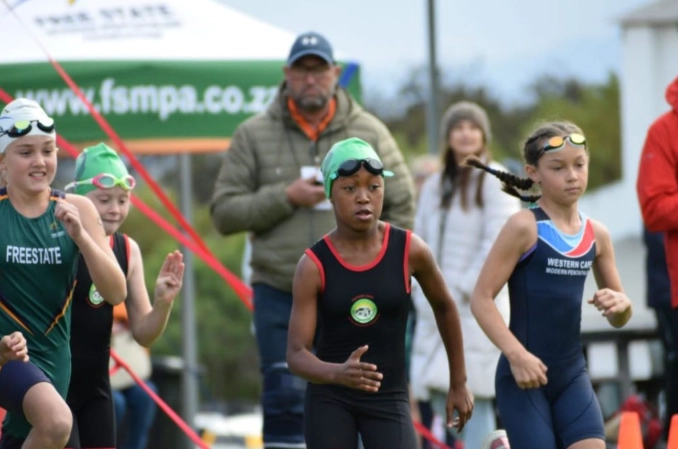
The primary hub has historically been around the Tiffindell Ski Resort, which, at over 2700 meters above sea level, was for decades the country's only commercial ski resort. It was the de facto home of South African biathlon. Its closure a few years ago was a massive blow—a real gut punch to the community. It's a stark example of the fragility of winter sports here. When your one dedicated facility shuts down, what do you do? You adapt.
Now, the focus has shifted to other areas in the Southern Drakensberg and the highlands of Lesotho. Resorts and clubs like Afriski in Lesotho and the Matroosberg Private Nature Reserve in the Western Cape (which gets occasional snow) become critical temporary bases. The season is short, unpredictable, and entirely weather-dependent. A warm winter means no season. It's that simple and that brutal.
The Reality Check: I have to be blunt here. If you're imagining a well-funded, slick operation with groomed trails and permanent shooting ranges, you're in the wrong headspace. Biathlon in South Africa is often a grassroots, DIY affair. Targets might be set up in a field. The "track" might be a hiking path after a fresh snowfall. It's gritty, it's real, and it's a testament to how much the participants want it.
The Major Challenges (It's a Long List)
To really understand what biathlon in South Africa is, you have to understand what it's up against. It's not for the faint of heart.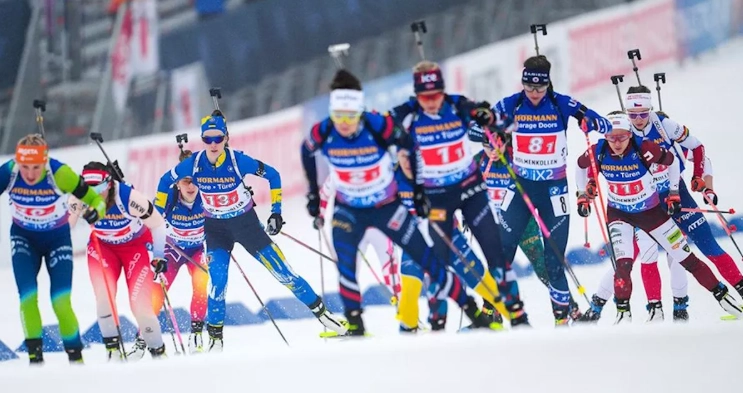
- Climate & Geography: The obvious one. Limited, unreliable snowfall and a very short potential season. This isn't a minor inconvenience; it's the central, defining challenge.
- Cost & Access: This is a huge barrier. Importing specialized skiing and shooting equipment is astronomically expensive. Travel to the mountains is costly. Access to shooting ranges for training (especially off-snow) is complicated by South Africa's strict firearms laws. The financial commitment is significant for any individual.
- Lack of Infrastructure: No permanent, FIS-standard biathlon tracks exist. Facilities are temporary, multi-use, or borrowed. This limits technical training and high-level competition hosting.
- Distance from the Sport's Heartland: Being so far from Europe means astronomical costs for athletes who want to compete internationally. Flying with skis and rifles is a logistical and financial nightmare. It also means less exposure to top-level coaching and competition on a regular basis.
- Limited Public Awareness & Funding: It's a tiny sport in a country obsessed with rugby, cricket, and soccer. Securing sponsorship or government sports funding is incredibly difficult. The national federation, Snow Sports South Africa (SASA), does a heroic job with minimal resources, but the budget is a fraction of what Nordic sports nations have.
So why does it persist? Because the people involved are stubborn in the best way possible.
The Heart of the Sport: Clubs, Communities, and Athletes
Strip away the challenges, and you find the core: a community. Biathlon in South Africa is kept alive by a few key clubs and a rotating cast of dedicated athletes. Participation numbers are small—we're talking dozens of active participants, not hundreds. This creates a tight-knit, almost family-like atmosphere where everyone knows everyone else.
Here’s a look at some of the key players and places that answer the question "what is biathlon in South Africa" on a human level: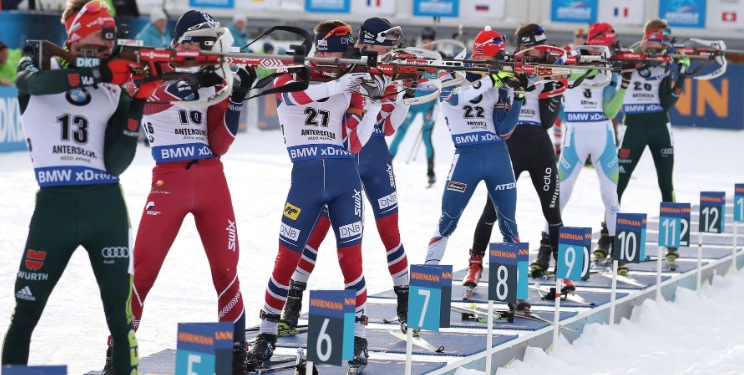
| Club/Group | Location/Base | Key Focus & Notes |
|---|---|---|
| Tiffindell Ski Resort Biathlon Club (Historical) | Southern Drakensberg (Eastern Cape) | The original home. While the resort is closed, the knowledge and experience from here seeded the sport. Many current coaches and officials came through here. |
| Drakensberg Biathlon Group | Southern Drakensberg region | A loose collective of athletes and coaches who train in the region, using available snow where they can find it. Highly adaptable and mobile. |
| Matroosberg Biathlon Group | Matroosberg Nature Reserve (Western Cape) | Capitalizes on the occasional snowfall in the Western Cape's highest peaks. Offers introductory experiences and training when conditions allow. |
| University & School Initiatives | Various (e.g., U. of Johannesburg) | Some universities with outdoor or shooting clubs have dabbled in introducing the concept, often using roller-skiing on campus. |
| Independent Athletes | Nationwide | Many train alone or in very small groups, connecting with the broader community mainly for camps and competitions. They are the ultimate DIY biathletes. |
The athlete pathway is unconventional. Many come from other endurance sports like running, cycling, or modern pentathlon (which already includes shooting). Someone who is a good cross-country runner and has an interest in precision sports might get recruited or stumble into it. There's no pipeline. It's more of a trickle.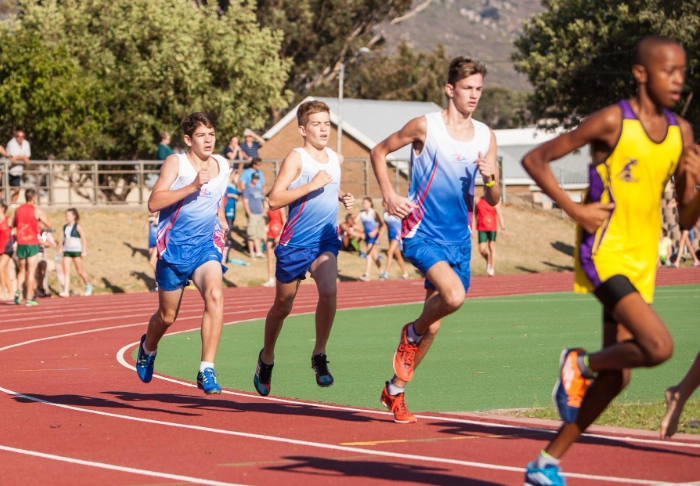
Did you know? South Africa is a full member of the International Biathlon Union (IBU). This means South African athletes are technically eligible to qualify for World Championships and the Winter Olympics, though the hurdles are immense.
A Glimpse at Competition: What Events Actually Happen?
You can't have a sport without competition. The calendar for biathlon in South Africa is sparse but meaningful. Events are often combined with other Nordic skiing disciplines (cross-country skiing) to make a viable competition weekend.
The South African National Biathlon & Cross-Country Skiing Championships are the premier event, whenever and wherever they can be held. The location is never fixed—it goes where the snow is. One year it might be in the Drakensberg, another year it might even be hosted in Lesotho at Afriski. The races are shorter format (sprint, maybe a pursuit) to account for conditions and athlete numbers. The atmosphere is less cut-throat international competition and more supportive community gathering with a race attached.
There are also occasional inter-club competitions and time trials during training camps. These are crucial for giving athletes a competitive feel. Furthermore, the most dedicated South African biathletes sometimes travel to compete in the African Cup events (if held in Lesotho or Morocco) or, very rarely, to Europe for lower-tier IBU events. These trips are major undertakings, usually self-funded, and represent the pinnacle of competitive ambition for most.
How to Get Involved: A Realistic Guide
Say you're intrigued. You're a good runner, maybe you've done some shooting, and the idea of this ultimate dual-sport challenge calls to you. How do you even start with biathlon in South Africa? Let's be practical.
- Master the Foundation Sports Separately: Don't jump straight into biathlon. Get good at endurance. Trail running, mountain biking, and road cycling are perfect for building the engine. Separately, if you have no shooting experience, look into target rifle shooting clubs. You need to be comfortable and safe with a firearm before adding skiing to the mix. Contact the National Shooting Association to find accredited clubs.
- Find the Community: Your best bet is to reach out to the national federation, Snow Sports South Africa (SASA). They can put you in touch with current coaches, clubs, or active athletes. Social media groups (search for "South African Biathlon" or "Nordic Skiing SA") can also be a way to find people.
- Start with Roller-Skis: This is how 90% of ski training happens here. You'll need to invest in a pair of roller-skis (specialized inline skates for ski simulation) and poles. It's a unique skill—it feels weird at first and has a steep learning curve. Find a smooth, safe stretch of road or parking lot. Protective gear (helmet, knees, elbows) is non-negotiable.
- Attend a Camp or Clinic: SASA or the active clubs occasionally organize training camps, especially in the winter aiming for snow time. These are your golden opportunities. You'll get coached on skiing technique, try shooting, and meet everyone. It's the fastest way to learn.
- Embrace the Scarcity: Understand that on-snow time will be a rare and precious treat. Your progression will be slower than an athlete in Austria. That's okay. The journey is the point.
"The biggest misconception is that we don't take it seriously because we don't have the facilities. The opposite is true. Because we have so little time on real snow, every single second on it is hyper-focused, intentional, and valuable. We probably analyze our technique more intently than someone who can ski every day." – A sentiment shared by multiple local biathletes.
Common Questions (The Stuff You're Actually Wondering)
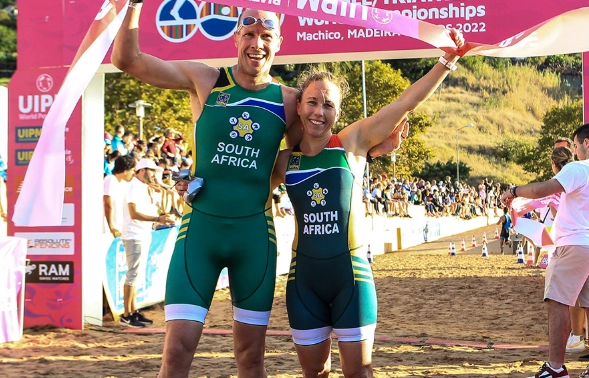
But here's the thing I've come to appreciate. The future isn't just about producing an Olympian. It's about keeping the flame alive. It's about that small group of people who find profound joy in this bizarre, beautiful, brutally difficult combination of sports, in a land that seems to reject it. Every time they strap on roller-skis on a hot summer day, or drive eight hours for a weekend of possible snow, they are defining what biathlon in South Africa is. It's an act of defiance. It's a love letter to a sport that doesn't belong here, written in ski tracks and bullet holes.
So, if you were wondering what is biathlon in South Africa, I hope you now see it's more than a trivia answer. It's a testament to niche passion, adaptability, and the sheer will to do something simply because you love it, even when the odds are stacked laughably high against you. And honestly, isn't that what the best sports stories are all about?