Let's get straight to the point: skiing doesn't have to be a luxury sport reserved for the wealthy. I've been skiing on a shoestring budget for over a decade, from the Rockies to the Alps, and I'm here to tell you that the secret to affordable skiing isn't just one magic trick—it's a strategy. Most people blow their budget on three things: lift tickets booked at the last minute, staying at a slope-side resort hotel, and buying all-new gear. We're going to dismantle that approach piece by piece.
Your Quick Guide to Skiing on a Budget
How to Find Affordable Ski Resorts
Forget Aspen and Vail for a minute. The heart of cheap skiing beats in smaller, local-friendly mountains and lesser-known regions. Your goal is to find places where the local community skis, not just international tourists.
Look for resorts that offer multi-day pass discounts, have affordable nearby towns (not just one expensive village at the base), and are within a reasonable drive from a major airport. A common mistake is fixating on vertical drop. A mountain with 2,000 feet of vertical can offer just as much fun and challenge for an intermediate skier as a mega-resort, at half the price.
Top 5 Budget-Friendly Ski Resorts in North America
- Whitefish Mountain Resort, Montana: Incredible snow, a charming nearby town (Whitefish) with motels and Airbnb options, and lift tickets often under $100/day if purchased in advance. The vibe is pure, unpretentious skiing.
- Mount Bohemia, Michigan: This is the ultimate cheap skier's secret for experts. It's a no-frills, backcountry-style resort in the Midwest with some of the most challenging terrain you'll find. Their season pass is notoriously one of the cheapest in the country. You're paying for the terrain, not the lodges.
- Sunshine Village, Alberta (Banff): While Banff is a famous destination, the SkiBig3 pass (covering Sunshine, Lake Louise, and Mt. Norquay) offers outstanding value, especially for multi-day trips. You can stay in the town of Banff, which has more accommodation competition than a tiny ski village, driving prices down.
- Bridger Bowl, Montana: A non-profit community ski area near Bozeman. Lift tickets are significantly cheaper than corporate-owned giants, and the terrain is fantastic. It feels like skiing used to feel.
- Jay Peak, Vermont: Yes, it's on the East Coast, but it gets the most snow. Look for mid-week deals and packages that include their indoor waterpark—a huge bonus if you're skiing with a family. Staying in nearby Montgomery Center is cheaper than right at the resort.
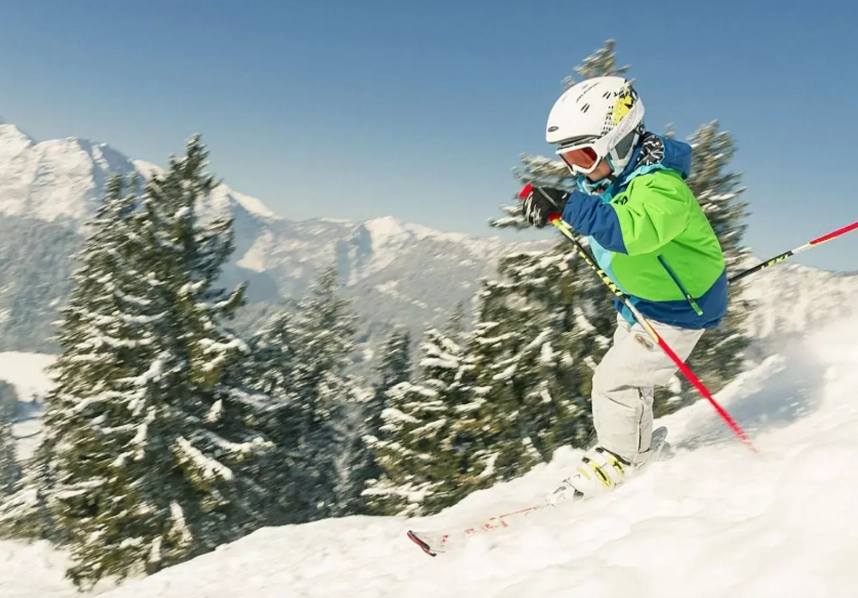
In Europe, think Eastern Europe or the lesser-known valleys of the Alps. Resorts in Slovenia (like Kranjska Gora), Slovakia, or even the smaller villages in Austria's Zillertal valley or France's Grand Massif (away from Flaine) offer world-class skiing at a fraction of the cost of mega-destinations like Zermatt or Courchevel.
How to Save on Lift Tickets and Lessons
This is where you can save hundreds. Never, ever walk up to the ticket window and pay the walk-up rate. That's a tax on poor planning.
Buy Early, Buy Online
Every resort offers significant discounts for purchasing lift tickets online, often 7-14 days in advance. We're talking 20-40% off. Set a calendar reminder. Some resorts, like many in Colorado, have dynamic pricing where prices only go up as the date approaches.
Multi-Day and Season Pass Calculus
If you're skiing for more than 3 days, a multi-day pass is almost always cheaper per day. Now, here's the non-consensus part: for many, a season pass might be the cheapest option, even if you only take one trip.
Hear me out. Passes like the IKON Pass or Epic Pass are expensive upfront ($800-$1100). But if you plan a single 5-6 day trip to one of their destination resorts, the break-even point is often reached. A 5-day walk-up ticket at a major Vail resort can easily hit $800. The pass pays for itself, and any additional days at other resorts on the pass network are essentially free. You have to do the math for your specific trip, but don't dismiss the season pass without running the numbers.
Group Lessons Over Private
You don't need a private instructor unless you have a very specific goal or are an absolute beginner with anxiety. Max-out group lessons (usually 4-8 people) are dramatically cheaper and you can learn a ton from watching others. Many resorts offer great afternoon group lesson deals once the morning rush is over.
Pro Tip: Check if your local ski club or university outing club organizes bus trips. These often include deeply discounted lift tickets, transportation, and sometimes lodging as a package deal. It's one of the most underutilized cheap skiing hacks out there.
How to Save on Ski Gear and Clothing
You do not need the latest $1,200 skis and a $800 jacket to have a great time. This is a massive trap for newcomers.
Rent, But Do It Smartly
Renting at the resort base is convenient but pricey. Use off-site rental shops in the town nearby; they're usually 30% cheaper. Even better, use online services like Black Tie Ski Delivery or local shops that let you reserve online for a discount.
For boots—the most important piece—consider renting high-performance boots from a specialty bootfitter. A well-fitted rental boot can transform your day for $30, versus suffering in a poorly fitted one.
The Second-Hand Goldmine
My entire first ski setup was second-hand. Look on Facebook Marketplace, Craigslist, or dedicated ski consignment shops near mountain towns in the off-season (September-October). You can find skis that are 2-3 years old, in great shape, for 60-70% off the original price. For clothing, outlets like TJ Maxx, Sierra, or the Columbia Outlet are fantastic for base layers, mid-layers, and even shells. You don't need a Gore-Tex pro shell for your first season; a waterproof, breathable jacket will do just fine.
End-of-Season Sales
March and April are the best times to buy gear for next year. Retailers need to clear inventory. I bought my current ski pants for 60% off in late March.
How to Plan Cheap Travel and Accommodation
Transport and a place to sleep are the silent budget killers.
Be Flexible with Travel Dates
Flying or driving on a Saturday? Expect to pay a premium. Travel mid-week (Tuesday to Tuesday) is almost always cheaper for flights and accommodation. The slopes are emptier too. Use flight alert tools like Google Flights or Skiplagged to track prices to nearby airports. Sometimes flying into a smaller airport like Reno (for Tahoe) instead of San Francisco can be cheaper with a rental car.
Rethink Accommodation
Ski-in/ski-out is a luxury, not a necessity. A 10-20 minute drive or shuttle ride can cut your lodging cost in half. Look for:
- Condos/Apartments with a Kitchen: This is the #1 rule. Eating out for every meal will destroy your budget. A condo where you can cook breakfast, make sandwiches for lunch, and even cook dinner a few nights saves an enormous amount of money.
- Motels & Hostels: Towns like Salt Lake City have affordable motels that are a 30-minute drive from several world-class resorts (Alta, Snowbird, Brighton, Solitude). Many European resorts have excellent, clean hostels (like the Jugendherberge in Germany or UCPA in France) that offer unbeatable package deals including lodging, meals, and lift tickets.
- Vacation Rentals (with a group): Splitting a 3-bedroom house or condo with 4-6 people is by far the most cost-effective way to go.
A Real-World Budget Ski Trip Itinerary
Let's make this concrete. Here's a 5-day, 4-night trip plan for two people to Salt Lake City, Utah, skiing at Brighton and Solitude.
Flights: Booked 6 weeks in advance, mid-week (Tuesday to Saturday). Cost: $300 round-trip per person. Total: $600.
Rental Car (compact SUV): $45/day. Total: $225.
Accommodation: Mid-range motel in Midvale, UT, with a mini-fridge and microwave. $85/night. Total: $340.
Lift Tickets: 4-day "Ski Salt Lake Super Pass" purchased online in November (gives 1 day each at Alta, Snowbird, Brighton, Solitude). $105/day. Total for two: $840.
Food: Groceries for breakfasts, lunch sandwiches, and 2 simple dinners: $150. 3 dinners out at mid-range restaurants: $200. Total: $350.
Gear Rental: Reserved online at an off-mountain shop in Sandy, UT. $35/day for skis/boots/poles. Total for two for 4 days: $280.
Gas & Incidentals: $100.
Grand Total for Two People: $2,735, or $1,367.50 per person for a 4-day ski trip to legendary Utah powder. Compare that to a single person easily spending $3,000+ for a similar trip staying at a Deer Valley lodge and eating out every meal.