在这篇文章中
- The Not-So-Chilly Meaning: Ski as Street Slang
- The Literal Mountain Meaning: Ski as Sport and Lifestyle
- Side-by-Side: The Ultimate "Ski" Meaning Comparison
- How to Never Get Confused Again: Context Clues 101
- Your Top Questions About "Ski" Slang, Answered
- Final Thoughts: Navigating a Word with a Split Personality
So you heard someone say "ski" in a way that had nothing to do with mountains or snow, and now you're scratching your head. I get it. The first time I heard it, I was at a party years ago. Someone mentioned they were "out of ski," and I genuinely asked if the local resort had closed early. Let's just say I got a few weird looks and a quick, hushed explanation. It was awkward. That moment stuck with me, and it's exactly why understanding context in slang is so crucial. You don't want to be the one making that mistake.
This single, tiny word packs a huge punch of confusion because it lives a double life. On one side of the fence, it's all about fresh powder and alpine adventures. On the other, it's deep into a subculture you might want to steer clear of. Figuring out what is ski in slang isn't just about vocabulary; it's about social navigation. It's the difference between planning a winter vacation and accidentally stumbling into a conversation about something illegal. Pretty big deal, right?
We're going to dig into both meanings, no holds barred. We'll look at where they came from, how they're used, and most importantly, how you can tell which one someone is talking about. Because let's be honest, context is everything, and getting it wrong can be more than just embarrassing.
The Not-So-Chilly Meaning: Ski as Street Slang
Alright, let's tackle the elephant in the room first. This is the meaning that sends most people to search engines. In underground slang, particularly in American street culture, "ski" is a code word for cocaine. It's not the most common nickname—you'll hear "coke," "blow," or "snow" more often—but it's persistent, especially in certain regions and musical genres like hip-hop.
The connection isn't too hard to trace once you think about it. Cocaine is a white, powdery substance. Snow is also white and powdery. And what do you do on snow? You ski. It's a simple, if not particularly clever, metaphorical chain. It creates a layer of plausible deniability. If someone is overheard talking about "ski," they could just be a winter sports enthusiast. This kind of coded language is common in illegal trades.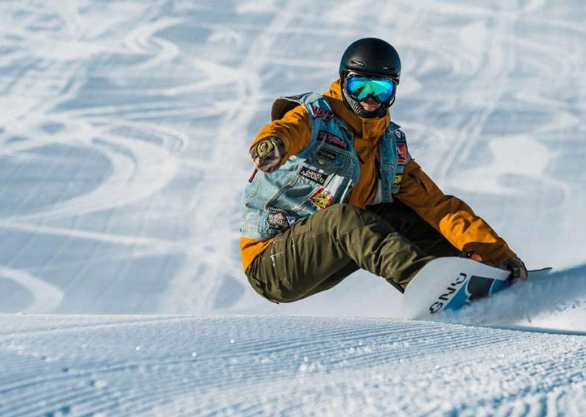
I remember listening to an old rap track from the early 2000s where the rapper boasted about "hitting the slopes." At the time, I thought it was a weird non-sequitur about vacationing. Nope. It was a direct reference to using cocaine. The "slopes" being the metaphor, and the activity being "skiing." Once you know, you can't un-hear it in a lot of music and pop culture references from that era.
How It's Used in Conversation and Culture
You won't hear "ski" used in this way in polite or formal company. It belongs to a specific lexicon. Here’s how it might pop up:
- As a Noun: "He's looking for some ski." (He wants to buy cocaine).
- As a Verb (Less Common): "They went skiing last night." (They used cocaine). This is where the "hitting the slopes" phrase comes from.
- In Music: This is where the term has been most publicly documented. Lyrics from the 80s, 90s, and 2000s occasionally used "ski" as a thinly veiled reference. It's less prevalent in today's mainstream music, but the historical context is there.
It's crucial to understand that this isn't just harmless slang. It's a direct reference to a powerful, illegal, and dangerous stimulant. The U.S. Drug Enforcement Administration (DEA) classifies cocaine as a Schedule II substance, meaning it has a high potential for abuse and can lead to severe psychological or physical dependence. The DEA's fact sheet on cocaine outlines the severe risks, including cardiovascular effects, respiratory failure, strokes, and seizures.
Why You Need to Know This (Even If You Never Use It)
You might be thinking, "I'm not around that scene, so why should I care?" Fair question. But knowledge is power, especially when it comes to protecting yourself or understanding the world.
First, media literacy. Old movies, music, and even some contemporary shows might use this slang. Knowing what it means helps you understand the subtext and the characters' motivations. You're not just a passive consumer; you get the full picture.
Second, parental awareness. If you're a parent and you overhear your kid or their friends using odd phrases like this, it's a potential red flag worth understanding. It's not definitive proof of anything, but it's a piece of the puzzle.
Finally, personal safety. If you're in a situation where someone is openly using this kind of code, it's a pretty good indicator of the kind of activity happening around you. Recognizing the language can help you make informed decisions about removing yourself from that environment.
So, when the primary search intent behind what is ski in slang points to this definition, it's often coming from a place of confusion, concern, or simple cultural translation. It's the answer most people are secretly looking for.
The Literal Mountain Meaning: Ski as Sport and Lifestyle
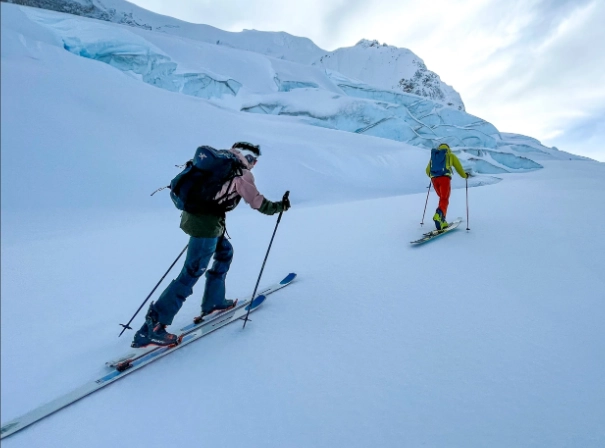
Now, let's take a deep breath and head to the mountains. This is the original, wholesome, and globally understood meaning of the word. Here, "ski" refers to the sport, activity, or equipment related to gliding over snow. It's about recreation, athleticism, and, for many, a passionate lifestyle.
This isn't slang at all. It's the standard English definition. But within the world of skiing, there's a whole ecosystem of jargon, technical terms, and casual lingo that can sound like slang to an outsider. When skiers talk about "shredding the gnar," "catching big air," or "skiing pow," they're just deep in their own dialect.
I'm more familiar with this world. I've been on skis since I was a kid, and the culture is one of camaraderie, challenge, and a deep love for the outdoors. The language reflects that—it's energetic, specific, and often playful.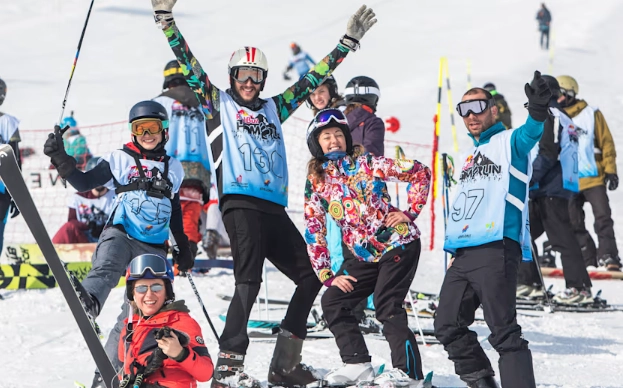
Ski Culture Lingo (The Good Kind)
To a non-skier, a conversation between two enthusiasts might sound like a foreign language. Here’s a quick decode of some common terms that aren't slang for drugs, but just... ski slang.
- Pow / Pow Pow: Short for powder snow. The light, fluffy, fresh snow that is the holy grail for skiers.
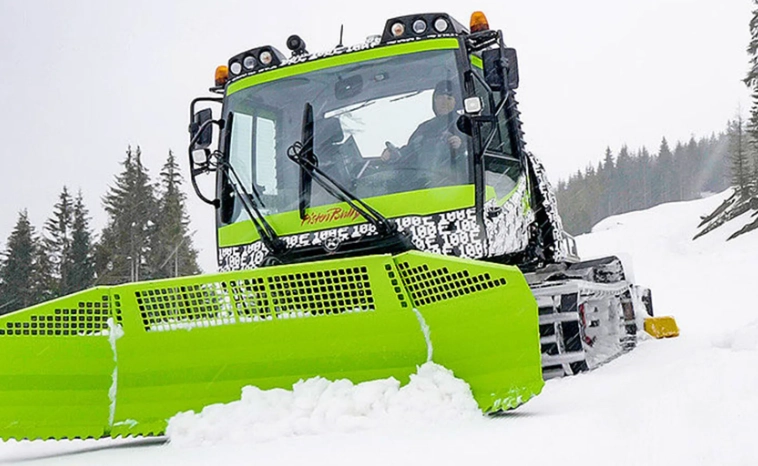
- Groomers: Trails that have been mechanically smoothed out by a snowcat. Great for cruising and carving turns.
- Shred: To ski aggressively and skillfully. "Let's go shred that run."
- Bomb: To ski straight down a hill very fast, without making many turns.
- Après-ski: The social activities after a day of skiing, often involving food, drinks, and relaxation. Arguably as important as the skiing itself for some!
This is the fun, healthy side of the word. It's about community and a shared passion. Organizations like the U.S. Ski & Snowboard association govern the sport at a competitive level and promote its growth, which is about as far from the other meaning of "ski" as you can get.
Side-by-Side: The Ultimate "Ski" Meaning Comparison
To really hammer home the difference, let's put them next to each other. This is where asking what is ski in slang gets its definitive answer.
| Context Feature | "Ski" as Drug Slang | "Ski" as Winter Sport |
|---|---|---|
| Primary Meaning | A street name for cocaine. | The activity of gliding on snow using long runners (skis). |
| Typical Setting | Underground conversations, certain music lyrics, illicit settings. | Mountain resorts, sporting goods stores, family vacations, the Olympics. |
| Connotation | Illegal, dangerous, secretive, negative. | Recreational, athletic, wholesome, fun, sometimes expensive. |
| Verb Form Usage | "Skiing" can metaphorically mean using cocaine. | "Skiing" is the literal act of participating in the sport. |
| Associated Words | Blow, coke, snow, lines, hit, slope. | Powder, chairlift, boots, poles, goggles, resort. |
| Governing Bodies | None (illegal trade). Law enforcement (DEA, etc.). | FIS (International Ski Federation), U.S. Ski & Snowboard. |
| Why People Talk About It | To buy, sell, or refer to the drug covertly; out of cultural curiosity. | To plan trips, discuss technique, share experiences, or celebrate the sport. |
See? They're worlds apart. The table makes it pretty clear. If you're in a chat about mountain conditions and gear, it's safe. If the conversation is hushed, involves money, and seems out of place, it's almost certainly the other thing.
How to Never Get Confused Again: Context Clues 101
So, you're in a conversation and someone drops the word "ski." Your internal alarm goes off. Don't panic. Just run through this quick mental checklist. Your brain is faster than you think.
First, listen for the surrounding words. This is the biggest giveaway. Are they talking about "fresh tracks," "lift tickets," and "bluebird days"? You're on a mountain, metaphorically or literally. Are the words more about "parties," "getting wired," or financial transactions? The context is shifting rapidly.
Look at the physical setting. This seems obvious, but it's powerful. Are you at a ski lodge with people in snow gear holding helmets? Probably the sport. Are you at a late-night city party where the conversation feels secretive? Be more cautious.
Consider the speaker. Who are they? A colleague who just got back from a trip to Aspen? Your cousin who's a freestyle snowboarder? Their history points to the sport. Someone you don't know well who is acting furtive? That's a red flag.
Notice the grammar. As a noun ("I need some ski"), the drug reference is more likely in a suspicious setting. As a verb ("I love to ski"), it's overwhelmingly the sport, unless the surrounding context is clearly dark (e.g., "We were skiing all night" in a party/drug context).
Trust your gut. If it feels off, it probably is.
Your Top Questions About "Ski" Slang, Answered
Final Thoughts: Navigating a Word with a Split Personality
Figuring out what is ski in slang is a perfect case study in how language evolves and fractures. One simple word carries the weight of two incompatible realities: one of dangerous addiction and crime, and another of healthy exhilaration and nature.
The winter sports meaning is joyous. It's about freedom, skill, and the sheer beauty of a snowy landscape. It has a rich technical language and a global community. The other meaning is a shadow, a code for something that causes immense harm. The National Institute on Drug Abuse (NIDA) provides extensive, science-based information on the damaging effects of cocaine on the brain and body, which is the grim reality behind the casual slang term.
My advice? Enjoy the sport. Understand the slang so you're not caught off guard. Use context like a superpower. And if you're ever unsure in a conversation, there's no shame in asking for clarification—"Wait, are we talking about the mountain kind?" It might be a little awkward, but it's better than a major misunderstanding.
Language is messy. Words are sneaky. But now you know the score with "ski." You're equipped to handle either slope it throws you on.