In This Article
Let's be honest, when most people think of biathlon, they picture skiers gliding through pristine white snow, rifle on their back, with frosty breath in the air. It's a winter sport, through and through. But then summer comes. The snow vanishes, the skis get packed away, and... what happens next? Do the world's best biathletes just take a six-month vacation? Not a chance.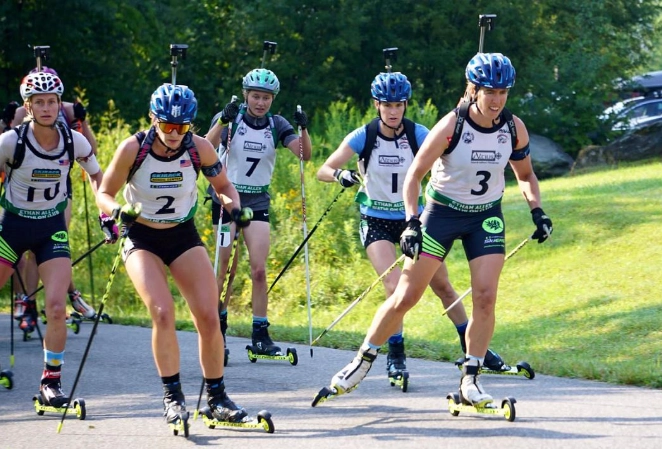
What happens is Biathlon Summer. It's the engine room of the entire sport. The off-season is where champions are built, where weaknesses are turned into strengths, and where the grueling, often overlooked work happens. If you're curious about biathlon, or maybe you're an athlete yourself looking to improve, understanding the summer phase is absolutely critical. It's the secret sauce.
I remember the first time I saw biathletes training in July. They were on what looked like weird inline skates with poles, hammering up a paved hill in the rain. It looked brutally hard. That was my introduction to the world of dryland biathlon, and it completely changed my perspective on the sport.
What Exactly is Biathlon Summer?
It's simpler than it sounds. Biathlon Summer is the comprehensive training and competition period that biathletes undertake when there is no natural snow. This isn't just "staying in shape"; it's a highly structured, multi-faceted regimen designed to develop the specific endurance, strength, technique, and mental fortitude needed for the winter competition season. The core goal is to arrive at the first snowfall not just fit, but technically sharper and tactically smarter than you were in April.
The focus shifts. Without the pressure of weekly World Cup races, the summer becomes a laboratory for experimentation and foundational work. It's about volume, technique refinement, and addressing the specific physical demands of skiing and shooting under fatigue.
Core Pillars of Biathlon Summer Training
You can't just run a lot and call it a day. Effective Biathlon Summer training is built on four interconnected pillars. Miss one, and the whole structure gets shaky.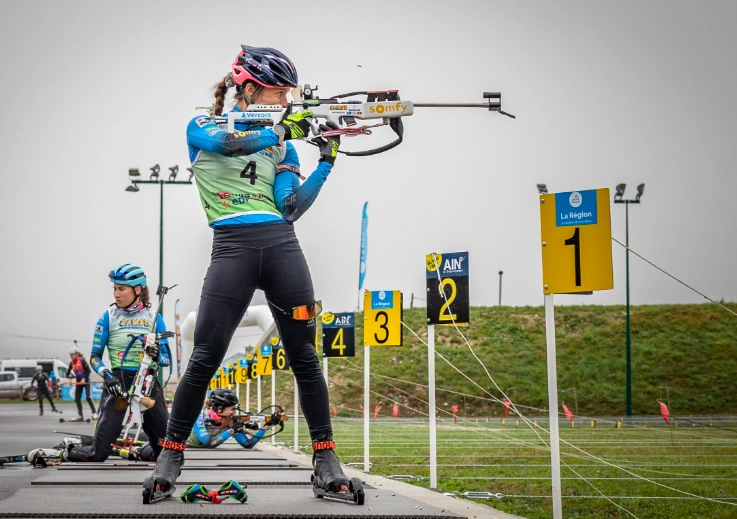
Pillar One: Roller Skiing - The Snow Substitute
This is the non-negotiable heart of summer training. Roller skis are wheeled platforms that mimic the glide and kick of snow skis. They come in two main types, and choosing the right one matters.
| Type | Best For | Surface | The Feel | My Take |
|---|---|---|---|---|
| Classic Roller Skis | Technique work, kick coordination, long endurance sessions. | Smooth asphalt, bike paths. | Simulates the kick-and-glide of classic skiing. You need a specific "grip zone" on the wheel. | Incredibly humbling. Getting the kick right on pavement is ten times harder than on snow. A small hill feels like a mountain. |
| Skate Roller Skis | Power development, speed intervals, simulating race pace. | Smooth, wide asphalt or dedicated tracks. | Closer to the feel of skate skiing on snow, focusing on lateral push and glide. | More intuitive than classic for most, but the lack of glide compared to snow means you're working much harder. Your legs will scream. |
Safety is a huge deal here. You're moving fast on hard pavement with poles. A full-face helmet, knee pads, elbow pads, and durable gloves aren't optional—they're essential. The U.S. Biathlon Association's athlete resources have some good, no-nonsense safety guidelines for roller skiing that are worth a look.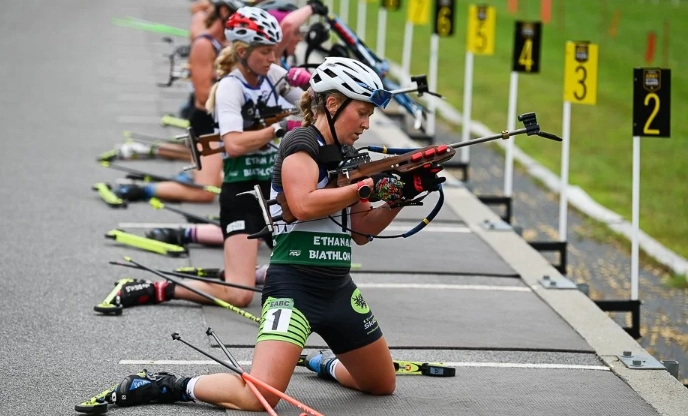
Honestly, the first few times on roller skis can be frustrating. The balance is different, the resistance is different, and falling hurts more. But it's the single best tool for maintaining and improving ski-specific fitness. No other exercise comes close.
Pillar Two: Shooting Training - Without the Snow Fatigue
Summer is the perfect time to rebuild shooting technique from the ground up. The pressure of a race is gone, so athletes can focus purely on the fundamentals: breath control, trigger squeeze, sight picture, and natural point of aim.
This happens in a few ways:
- Dry-Firing: Practicing the entire shooting sequence with an unloaded rifle. It's boring but invaluable for building muscle memory without the cost or noise of ammunition.
- Live Fire on the Range: Standard target practice, but often with a heightened focus on drills. Think shooting after holding your breath, or shooting in sequences that mimic race stress.
- Integrated Sessions: This is the gold standard. You go for a hard run or a roller ski, get your heart rate sky-high, and then immediately go to the shooting line. This trains the specific skill of calming your body and mind under extreme physical fatigue—the essence of biathlon. The International Biathlon Union (IBU) highlights how top nations structure these combi sessions.
Pillar Three: Strength & Conditioning - Building the Engine
Biathletes aren't bodybuilders, but they are incredibly strong, particularly in their core, legs, and upper back. Summer is when they build that base. The weight room work is functional and targeted.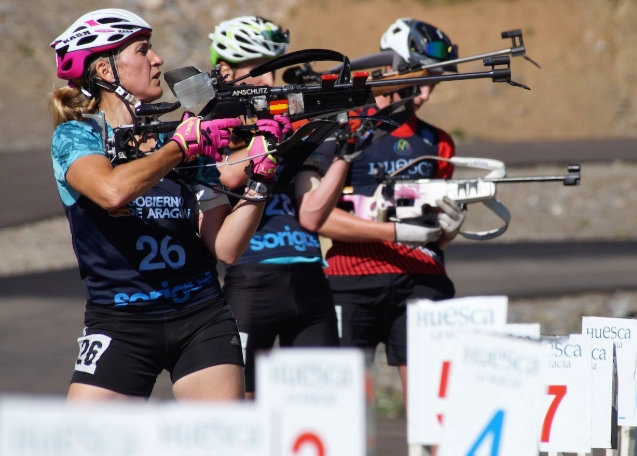
Think about the motions: a powerful double pole on skis is a full-body explosion. Holding a rifle steady for minutes after maximal effort requires immense postural strength. The training reflects this:
- Leg Power: Squats, lunges, plyometrics (box jumps) to generate more kick and push.
- Core & Postural Stability: Planks, Pallof presses, anti-rotation work. A wobbly core means a wobbly rifle.
- Upper Body Pulling Strength: Rows, lat pulldowns. This is crucial for the poling motion in skiing.
The aim isn't to get bigger, but to get more powerful and resilient. Injury prevention is a massive part of this. A strong body can handle the immense volume of training.
Pillar Four: The Mental Grind
This might be the toughest part. Summer training is long, repetitive, and often solitary. There's no crowd, no immediate reward. You're running on a hot track or roller skiing up the same hill for the hundredth time, with months to go before a real race.
Developing the mental discipline to push through these sessions, to stay focused on technique when you're exhausted, is what separates good athletes from great ones. Many use this time to work with sports psychologists, visualize race scenarios, and build the routines that will hold up under winter pressure.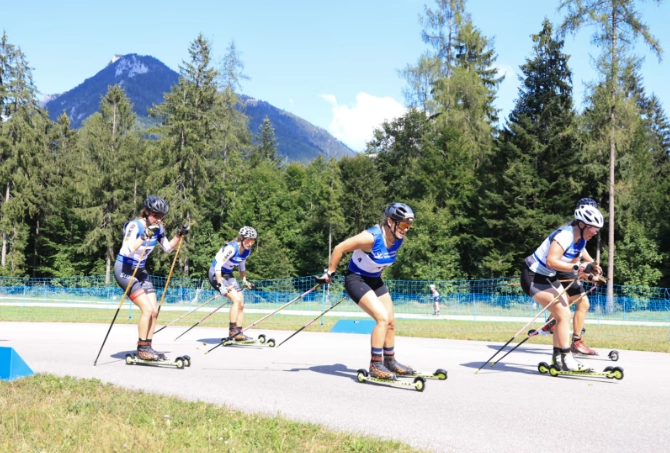
It's a grind. Let's not sugarcoat it. Some days, you just don't want to do it. And that's okay. The key is doing it anyway.
Gearing Up for Biathlon Summer
You don't need a world-class budget to start, but having the right gear makes a monumental difference, especially for safety and enjoyment.
Roller Ski Equipment: This is your biggest investment. You'll need the skis themselves, specific roller ski boots (or adapters for your winter boots), poles (usually with hardened carbide tips for pavement), and the full safety kit mentioned earlier. My advice? Don't buy the absolute cheapest set. Poor-quality wheels and bearings can make an already difficult activity feel impossible and unsafe.
The Rifle: This is, of course, the unique piece. Summer is a good time for maintenance—getting the barrel cleaned, the sights calibrated. For beginners, .22LR rifles are the standard. The key in summer is setting up a safe, legal place to practice, whether that's a local range or private land. The regulations around biathlon rifles vary wildly by country, so checking with your national federation is step one.
Clothing & Protection: Forget heavy winter suits. You need moisture-wicking, breathable athletic wear. Padded cycling shorts can be a lifesaver on long roller ski sessions. And I cannot stress the protection enough: helmet, gloves, knee pads. I learned the hard way after a small slip took a chunk out of my elbow.
The Competitive Side: Summer Biathlon Events
Yes, they exist! And they're a fantastic way to test your summer progress and break up the training monotony. These events replace skiing with running (or sometimes roller skiing) and shooting.
- IBU Summer Biathlon World Championships: The big one. Organized by the International Biathlon Union, it features running and shooting. It's a serious competition that attracts top winter biathletes. You can find past results and info on the IBU's Summer Biathlon page.
- Local & National Summer Biathlon Races: Many clubs and national federations host their own summer events. These are often more accessible for newcomers and are a great introduction to the race format. The atmosphere is usually more relaxed than winter races.
- Time Trials & Club Competitions: Even informal races against the clock or with a few training partners serve as vital "dress rehearsals." They simulate the stress of transitioning from high heart rate to precise shooting.
Participating in a summer biathlon event, even a small one, gives you a completely new appreciation for the sport. The run feels endless, and trying to shoot with your heart pounding in your ears is a unique and humbling challenge. It makes you realize how incredibly fit winter biathletes truly are.
Your Roadmap to Starting Biathlon Summer Training
Okay, so you're interested. Maybe you're a cross-country skier, a runner, or just someone fascinated by the sport. How do you actually start with Biathlon Summer training?
- Find Your Foundation Sport: You need a base. If you don't run, bike, or have any endurance background, start there. Build general cardio fitness first.
- Connect with a Club: This is the most important step. Biathlon is a community sport. A local club will have the knowledge, the training locations, and often loaner equipment. They'll teach you safety and proper technique from day one. Search for clubs through your national federation's website.
- Master Dry-Firing: Before you even think about live ammunition, get a proper introduction to rifle safety and handling. Learn the positions (prone and standing) with an unloaded rifle. Make dry-firing a daily habit.
- Try Roller Skiing (With Guidance): Don't just buy roller skis and head for a hill. Get a coach or experienced club member to teach you. Start on a flat, smooth, car-free area like an empty parking lot. The learning curve is steep.
- Integrate Gradually: Start with separate sessions: a run one day, shooting practice another. As you get fitter, combine them. Go for a 20-minute hard run, then immediately do a dry-fire session. That's the core stimulus of biathlon.
The journey into Biathlon Summer is a marathon, not a sprint. Celebrate small wins—your first successful roller ski session without falling, hitting a 5-target string in prone after a hard run.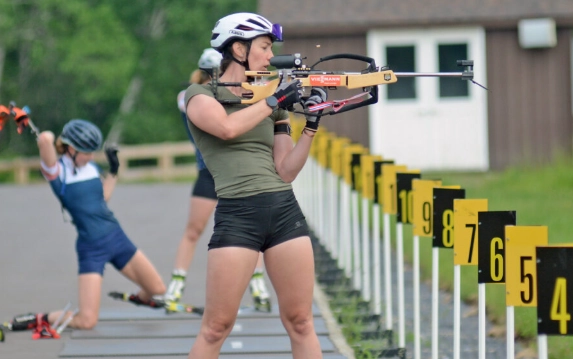
Common Questions About Biathlon Summer (FAQ)
Look, the path of Biathlon Summer training isn't easy. It's demanding, sometimes tedious, and requires a lot of logistical planning. But there's a profound satisfaction in it. There's something special about putting in the work when no one is watching, under the summer sun, knowing that each drop of sweat is a deposit in the bank you'll withdraw from when the snow flies.
It transforms biathlon from a winter spectacle into a year-round pursuit of mastery. You stop being just a fan and start understanding the sport from the inside out—the gritty, unglamorous, beautiful work that happens when the cameras are off. That, to me, is the real essence of the sport. And it all happens in the summer.