Let's be clear. The idea of learning to ski without snow isn't some gimmick. It's smart preparation. Most first-timers show up on the mountain cold—in every sense of the word. They've never felt the weight of ski boots, have zero muscle memory for a basic wedge (the pizza slice stop), and their legs give out after two runs. I've seen it a thousand times. The result? A frustrating, expensive day that makes them question the sport entirely.
What if you could flip that script? What if your first day on snow was about linking turns, not just surviving the magic carpet? That's the power of dryland ski training. You build the foundational skills, strength, and confidence off the mountain, so when you finally touch snow, your brain and body are ready to learn, not just react in panic.
Your Quick Guide to Off-Snow Ski Prep
Why Off-Snow Training Actually Works
Skiing is a skill sport built on specific movements and muscle groups. The snow is just the surface. The real learning happens in your neuromuscular system—teaching your legs to edge, your core to stabilize, and your posture to stay forward. You can absolutely train that system without snow.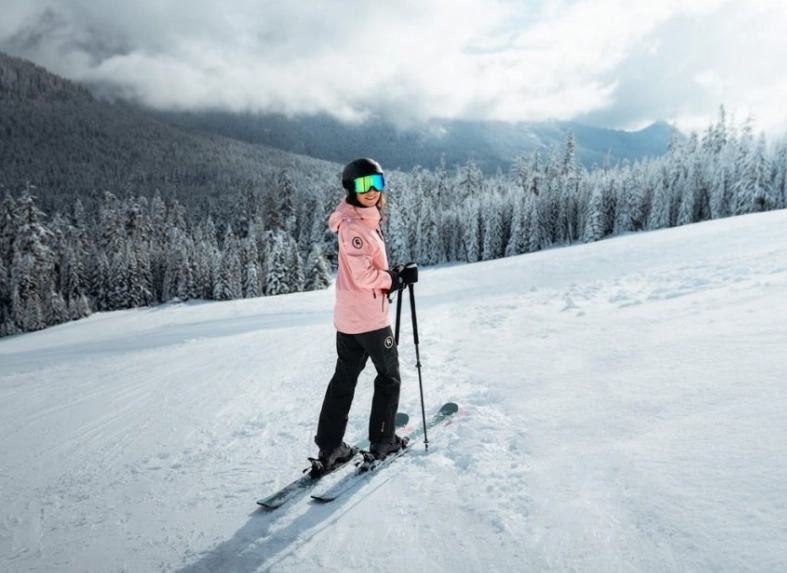
Think of it like learning to drive. You don't start on the highway at rush hour. You learn the controls, the feel of the pedals, and basic maneuvers in a parking lot. Dryland training is your empty parking lot.
The biggest mistake beginners make is underestimating the physical demand. Skiing uses muscles you barely notice in daily life—your inner thighs (adductors), your hips (glute medius), and the stabilizing muscles around your knees and ankles. Strengthening these off-snow is non-negotiable for control and injury prevention.
Building Your Ski Foundation: Fitness First
Forget just running or cycling. You need targeted, functional strength. The goal isn't to get huge; it's to build endurance and resilience in the exact positions skiing demands.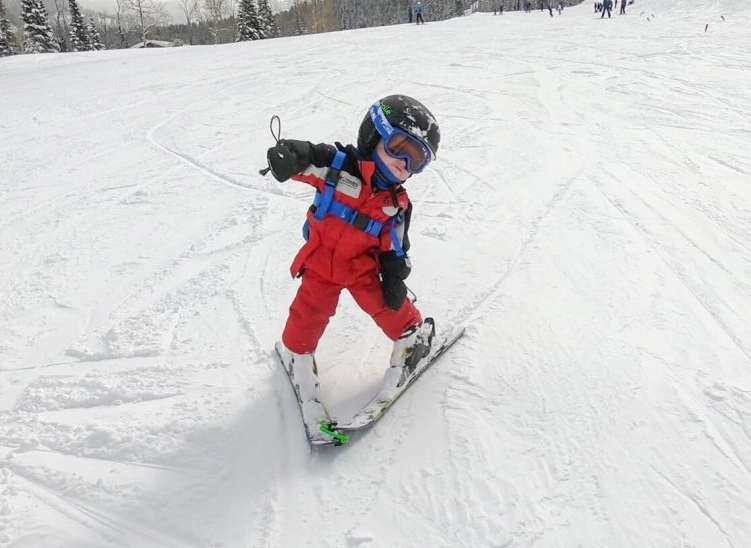
Legs and Core: Your Shock Absorbers
Wall Sits. The classic for a reason. They build insane quad endurance. But here's the non-consensus tip: don't just sit there. Mimic ski movements. Gently press your knees out to the sides against an imaginary force, engaging your glutes. Hold for 45 seconds, rest 30. Do 5 sets.
Lateral Lunges. Skiing is all about side-to-side motion. Standard forward lunges miss the point. Step directly to the side, sink your hips back and down, keeping your chest up. Feel it in your inner thigh and glute. 10 reps each side.
Single-Leg Balance. This is huge. Stand on one leg for 60 seconds. Too easy? Close your eyes. Now it's hard. This directly trains the ankle and knee stability you'll desperately need on variable snow. Do this while brushing your teeth.
Mobility: Don't Be a Stiff Board
Flexibility in your ankles and hips is critical for getting forward in your boots and absorbing bumps. Simple ankle circles and calf stretches are a start. For hips, try the "90/90 stretch"—sit with one leg bent in front at 90 degrees, the other bent to the side at 90 degrees. Gently lean forward. It's a game-changer for getting into an athletic ski stance.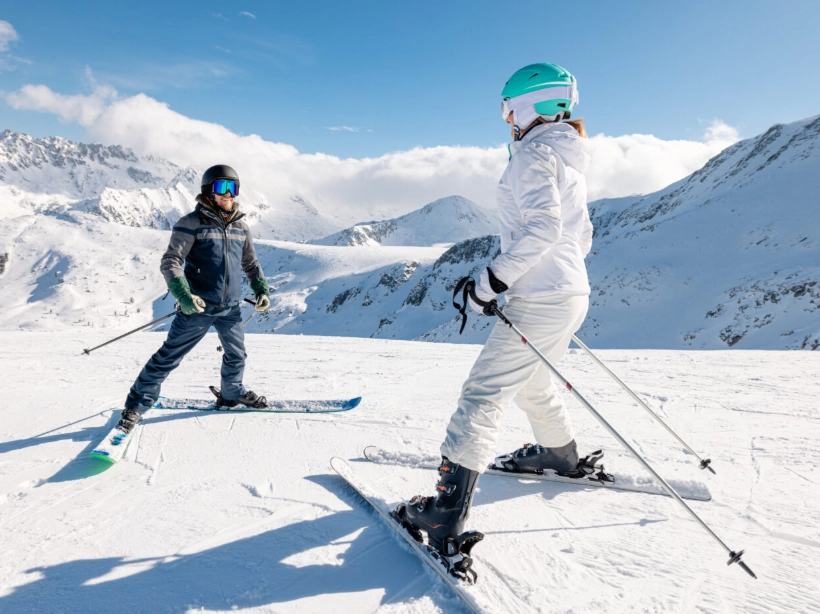
A Sample Weekly Dryland Fitness Plan (4 Weeks Out)
Monday: Strength Focus. Wall sits (5x45s), Lateral Lunges (3x10 per side), Planks (3x60s), Glute Bridges (3x15).
Wednesday: Balance & Mobility. Single-leg balance (2x60s per leg, eyes closed), 90/90 hip stretches (2x30s per side), Calf stretches.
Friday: Cardio & Endurance. 30 minutes of stair climbing, cycling with intervals, or jump rope. This mimics the burst-recovery rhythm of skiing.
This takes less than 30 minutes a session. Consistency beats marathon weekend workouts.
Mastering the Ski Movements (In Your Living Room)
This is where you translate fitness into ski-specific skill. You need a smooth floor (socks or towels work) or a cheap balance board.
1. The Athletic Stance (The Ready Position)
Stand with feet hip-width apart. Bend your ankles, knees, and hips evenly—like you're sitting back into a tall chair. Keep your back straight, chest up, and hands forward and visible, as if holding a tray. Your weight should be on the balls of your feet, not your heels. Hold this for 2 minutes while watching TV. It will burn. That's the point.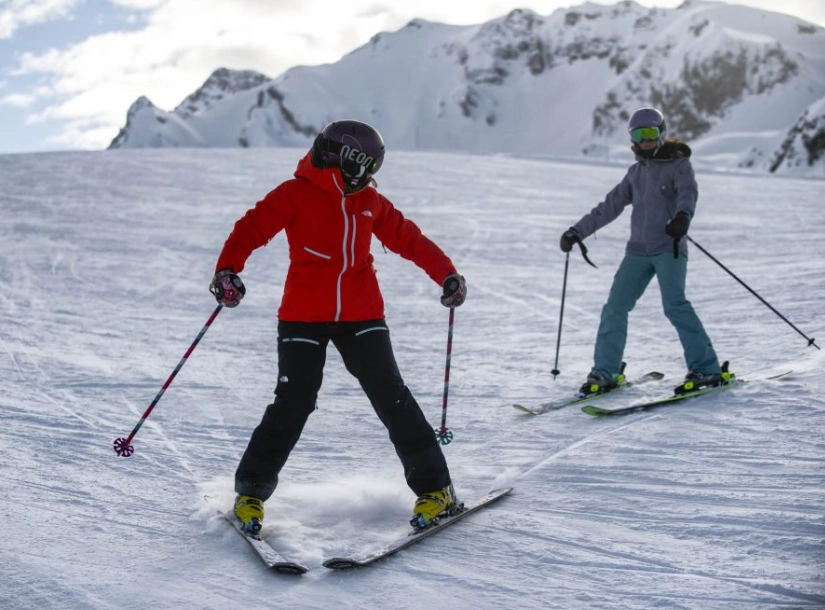
2. The Weight Shift (The Secret to Turning)
In your athletic stance, slowly shift 70% of your weight to your right foot. Feel the pressure on the ball and little toe edge of your right foot. Then slowly shift to the left. That's it. A ski turn is just a committed, dynamic version of this. Practice until it's fluid, not jerky.
3. The Wedge (Pizza) and Edging
In socks on a smooth floor, get in your athletic stance. Slowly slide your heels out, keeping your tips close, forming a V or wedge. Now, to simulate slowing down, gently press your knees inward. Feel your inner edges (the inside of your feet) engage. This is the edging action that controls speed. Practice forming and releasing the wedge smoothly.
A balance board or Indo Board is a fantastic investment here. It forces these micro-adjustments and builds proprioception faster than anything else.
Next-Level Simulation: From Carpet to Machines
If you want to get closer to the real sensation, several technologies exist. They range from affordable to "serious investment." Here’s a breakdown.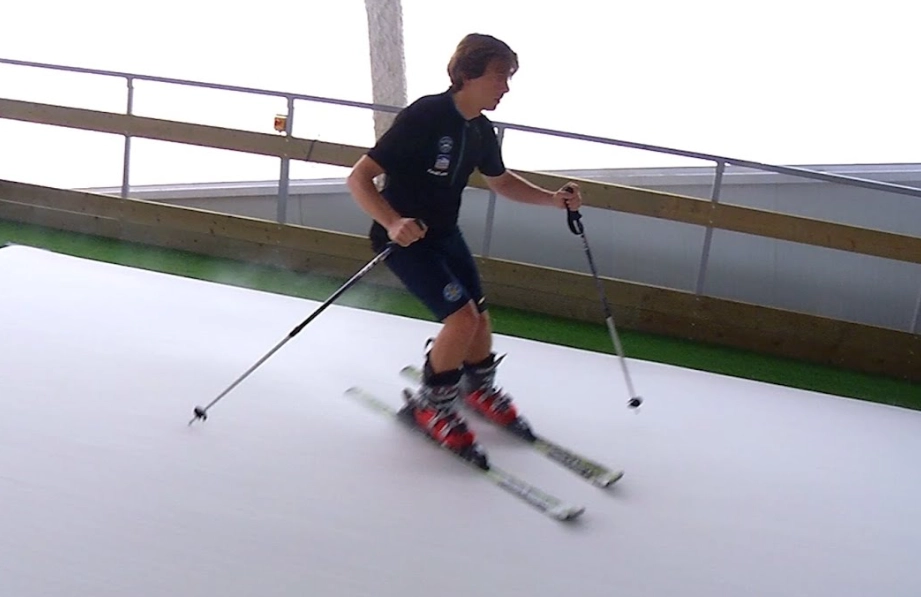
| Method | What It Is | Best For | Realism & Cost |
|---|---|---|---|
| Ski Carpet / Slope Simulator | A moving carpet that rolls downhill. You wear real ski boots clipped into skis with dulled edges. | Learning basic posture, wedge, and linked turns in a controlled, safe environment. Excellent for absolute beginners to build muscle memory. | High realism for beginner movements. Found at some ski shops, training centers, or resorts in the off-season. Session costs vary ($30-$80/hr). |
| Dry Slope / Dendix | Outdoor slopes made of plastic bristles. You use short, specially designed skis. | Experiencing gradient, speed, and the feel of sliding. Common in the UK and Europe where snow is less reliable. | Good realism, especially for balance. Can be abrasive if you fall. Public session fees apply. |
| Ski & Snowboard Simulators (e.g., SkyTechSport, Balance) | Advanced platforms with motion sensors, VR headsets, and responsive skis that pivot and tilt. | Technical skill refinement, race training, and experiencing different virtual slopes and conditions. | Very high tech realism for edging and pressure control. Very low risk. Typically found in high-end training facilities, costs are premium. |
| Inline Skates / Rollerblades | Standard inline skates, ideally with a heel brake removed for better ski mimicry. | Developing balance on a rolling surface, learning to control speed via turning (carving), and building leg endurance. | Low cost (if you have them). Teaches balance and forward pressure well, but stopping is different (no wedge). Use on smooth, safe pavement. |
My take? For a total beginner, a single session on a ski carpet is worth five gym sessions. It bridges the gap between theory and the terrifying reality of sliding. If that's not available, a combo of living room drills and inline skating gets you 80% there.
The Mental Game and Final Prep
Your mind needs training too. Watch ski lesson videos from reputable sources like Professional Ski Instructors of America (PSIA) channels. Don't watch pros flying down cliffs. Watch Level 1 beginner lessons. See how they move.
Visualization works. Close your eyes and vividly imagine performing a perfect wedge stop, feeling the edge grip. Sports psychology studies show this activates the same neural pathways as physical practice.
Two weeks before your trip, get your gear sorted. Rent your ski boots early and wear them around the house. Seriously. Break them in, practice flexing forward in them, and get used to the confined feel. This alone will save you hours of discomfort on day one.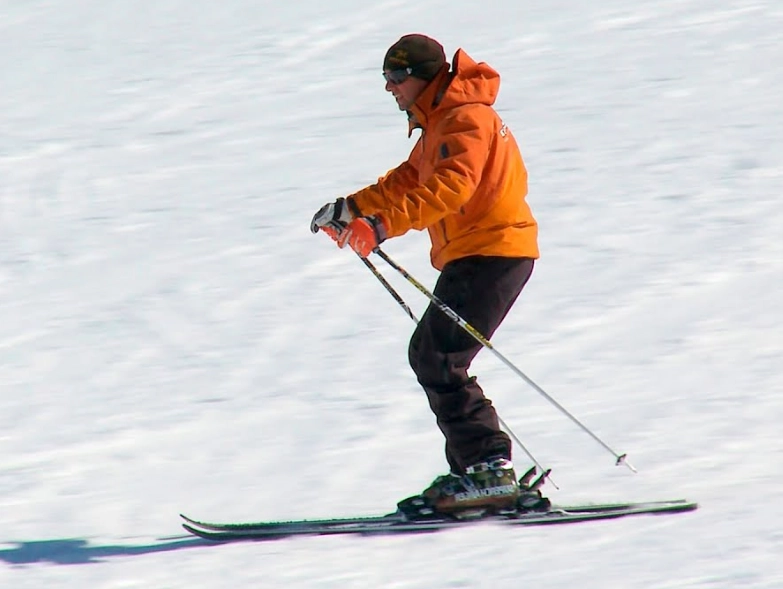
Your Dryland Ski Training Questions Answered
The bottom line is this. Learning to ski without snow isn't about cheating the system. It's about respecting the sport enough to prepare for it. You're investing time and money in a ski trip. Investing a few hours in smart, dryland preparation is the single best way to guarantee you get joy—not just bruises—out of the experience. When you finally step into those skis on real snow, you won't be starting from zero. You'll be ready to learn.