In This Guide
- The Core Trinity: Boots, Bindings, Skis
- Telemark Boots: Where the Magic (and Pain) Begins
- Telemark Bindings: The Unsung Hero
- Choosing the Right Telemark Skis
- Poles, Skins, and the Other Essentials
- Building Your Setup: The Budget Spectrum
- Common Pitfalls to Avoid
- Your Telemark Gear Questions, Answered
- Maintenance: Keeping Your Gear Happy
Let's be real for a second. Diving into the world of telemark skiing gear can feel like trying to decipher an ancient language. You've got NTN, 75mm, TTS, free-heel, and a dozen other terms getting thrown around. It's enough to make your head spin, especially if you're coming from an alpine skiing background where things seem... simpler.
I remember my first foray into this. I walked into a shop, full of enthusiasm, and promptly got overwhelmed. The guy behind the counter was passionate, which was great, but he started talking about duckbills and cable throws and I just nodded along, completely lost. I ended up with boots that were too stiff and bindings that were a nightmare to step into in deep snow. Not ideal.
So, I'm writing this guide to cut through the noise. We're going to break down telemark skiing gear piece by piece, in plain English. No fluff, just the stuff you actually need to know to make smart choices, whether you're a complete newbie or looking to upgrade your current setup. Think of it as a chat with a friend who's made a bunch of mistakes so you don't have to.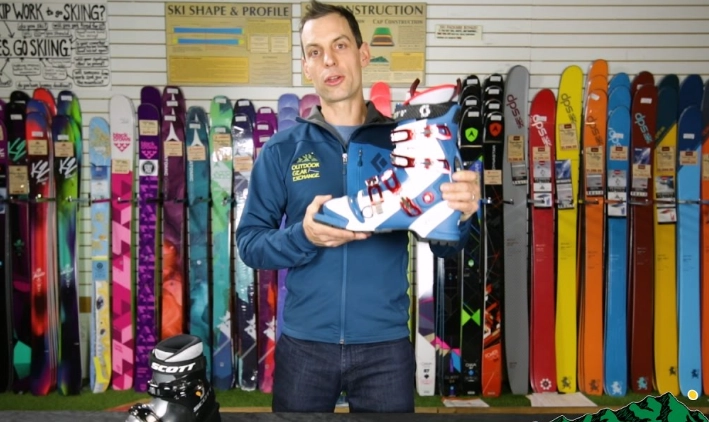
The Core Trinity: Boots, Bindings, Skis
Every telemark setup rests on these three pillars. Get one wrong, and the whole experience suffers. They need to work together, not just be three cool pieces of gear you liked individually.
Telemark Boots: Where the Magic (and Pain) Begins
If you take away one thing from this section, let it be this: telemark boots are the most important part of your gear. Period. They're your connection to the ski, and they dictate your comfort, control, and progression more than anything else.
You're going to hear about two main systems: the classic 75mm (aka "Nordic Norm") and the modern NTN (New Telemark Norm).
What's the big difference?
75mm boots have a recognizable "duckbill" toe that clips into a binding's toe cup. They're the traditional look. NTN boots have a sleek, alpine-style sole with a claw-like toe that snaps into a different mechanism. It's a cleaner interface.
A Word on Boot Flex
This is where I messed up. Boot flex isn't just about stiffness; it's about progressive flex—how smoothly it bends as you drive your knee forward. A super stiff boot might sound "advanced," but if you're learning, it'll fight you every step of the way. It's like learning to drive in a Formula 1 car. A softer, more forgiving flex allows you to find the telemark stance and build muscle memory without the boot punishing you for minor errors.
My personal take? For most people starting today, NTN is the way to go. The entry to the system is more intuitive (fewer frozen, fiddly parts), the release characteristics are generally safer, and it offers a more powerful, direct feel. The 75mm system has soul and history, and it's still fantastic, but NTN feels like the present and future. That said, you can find incredible deals on used 75mm telemark skiing gear, which is a huge plus for budget-conscious skiers.
Telemark Bindings: The Unsung Hero
Bindings are the translators between your boot's movement and the ski's action. They don't get as much glamour as skis, but a bad binding can ruin a great boot-and-ski combo.
We need to talk about the different types, because this choice defines your skiing style.
| Binding Type | How It Works | Best For | My Honest Take |
|---|---|---|---|
| Active (Cable) Bindings (e.g., 22 Designs Axl, Bishop BMF) | Uses a cable behind the boot to provide active tension and help with the return-to-center. Often uses 75mm boots. | Skiers who want powerful, energetic turns on-piste and in firm snow. Great for driving big skis. | These are the workhorses. Powerful, reliable, but that cable can be a pain to manage in deep powder or when putting skis on on a steep slope. |
| NTN Freeride Bindings (e.g., Rotefella NTN Freedom, 22 Designs Outlaw) | The modern standard. Boot clips in at toe; a pivot under the bellows and a spring cartridge provide resistance and return. | Almost everyone. From resort carving to backcountry tours. Offers a great blend of power and step-in convenience. | This is the sweet spot for most. The step-in is a game-changer for convenience. The feel is crisp and direct. My go-to recommendation for a one-quiver setup. |
| TTS (Telemark Touring System) | A hybrid. Uses a tech toe (like alpine touring) for easy touring, with a simple spring mechanism for the tele turn. | Backcountry purists who prioritize uphill efficiency and want a minimalist, lightweight telemark turn on the descent. | Incredible for the uphill. The downhill feel is much lighter and less powerful than NTN. You sacrifice some downhill performance for tour-ability. Not for charging hardpack. |
| "Tech" Telemark Bindings (e.g., Meidjo) | Integrates tech pins (for touring) into a full telemark binding mechanism. The unicorn of efficient touring and powerful turning. | The dedicated backcountry telemark skier who refuses to compromise on either the climb or the tele turn. | Brilliant engineering, but complex. More parts that can freeze or fail. When they work, they're magical. But they demand more maintenance and tinkering. |
See what I mean? Your choice here isn't just about "which is best." It's about what you'll actually be doing most. Dreaming of endless powder laps in the backcountry? A TTS or Tech binding might call your name. Planning on skiing 50% in-bounds with the family? An NTN Freeride binding is probably your happy place.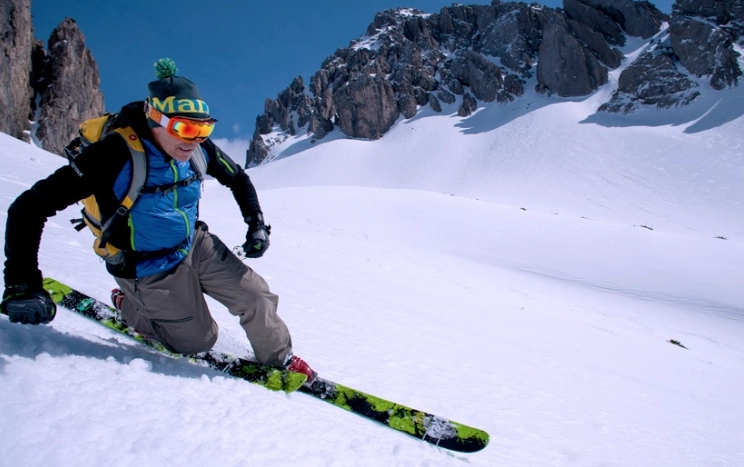
Choosing the Right Telemark Skis
Here's some good news: you can use almost any ski for telemark. Seriously. The principles of a good ski—the right width, camber profile, and flex for the conditions—apply whether your heel is locked down or free.
But there are nuances. Because you're driving the ski from the ball of your foot and your heel lifts, ski flex and mount point become a touch more sensitive.
- Waist Width: This is your main decision point.
- 85-100mm: The all-mountain sweet spot. Fantastic for hardpack, crud, and the occasional powder day. If you only have one ski, start here.
- 100-115mm: The powder and soft-snow specialist. Floats beautifully, but can feel sluggish and hard to pivot on groomers.
- Under 85mm: The carve master. Unbeatable on firm snow and ice, but you'll be swimming in anything deep.
- Camber Profile: Camber underfoot provides pop and edge hold. Rocker in the tip and tail helps with float and turn initiation. Most modern all-mountain skis have a hybrid rocker-camber-rocker profile, which is also ideal for most telemark skiing gear setups.
- Mount Point: Telemark skis are often mounted slightly further back than their alpine counterparts (think -2 to -5cm from the recommended alpine line). This helps balance the forward-driving pressure of the tele stance. When in doubt, ask the ski shop or the manufacturer for their telemark-specific mounting recommendation.
I made the mistake of putting my first telemark bindings on a pair of ultra-stiff, heavy charger skis. It was like trying to telemark on two-by-fours. A mistake. A more forgiving, medium-flex ski will help you learn the motion so much faster.
Poles, Skins, and the Other Essentials
It's not just the big three. The supporting cast matters.
Poles: You'll want poles that are 5-10cm longer than your alpine poles. That extra length helps you maintain balance in the deep lunge of a tele turn. Adjustable poles are a godsend—you can shorten them for the uphill and lengthen them for the descent.
Skins: If you're going into the backcountry, you need them. Make sure they are the correct width for your skis (trim-to-fit) and have a reliable glue. For telemark, a tip loop and tail clip system works perfectly. The Black Diamond website has excellent, no-nonsense tutorials on skin care that apply directly to our use.
Clothing: Forget the old image of wool knickers (unless you're into that, which is cool!). Modern telemark skiing uses the same technical layers as alpine skiing or ski touring. The key difference? You need pants with exceptional stretch and freedom of motion in the knee and crotch. A restrictive pant will make every turn miserable. Look for touring-specific or freeride pants with lots of articulated patterning.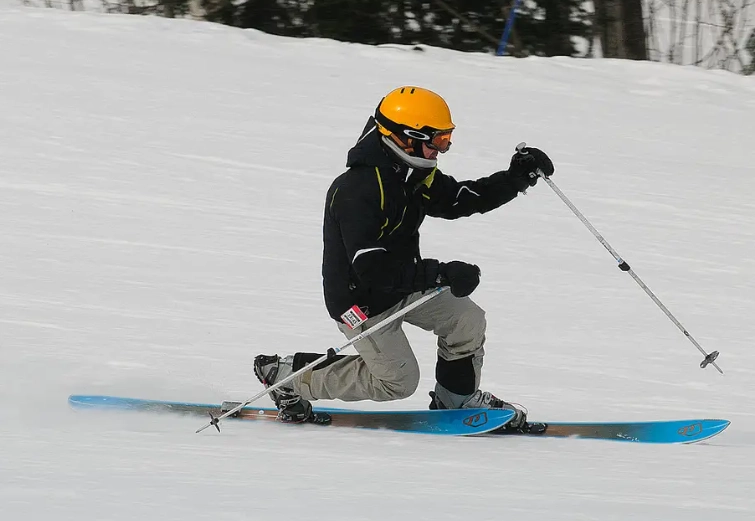
Building Your Setup: The Budget Spectrum
Let's talk money. A full telemark skiing gear setup is an investment. But there are paths for every wallet.
- The Budget-Friendly Starter (Used Market): This is how many of us started. Scour eBay, Facebook Marketplace, and gear swap forums for used 75mm boots, bindings, and skis. You can often find complete setups for a few hundred dollars. The gear is proven, and it lets you see if you like the sport before dropping serious cash. The downside? Older boots might be packed out or lack modern features.
- The Modern Entry-Level (New NTN): Buy new, but focus on value. Look for previous-year models of NTN boots like the Scarpa TX Pro or Scott Voodoo. Pair them with a reliable binding like the Rotefella Freeride. Mount them on a prior-season all-mountain ski. This gets you a modern, safe, and high-performing system that will last for years.
- The Dream Setup (No Compromises): This is for when you're all in. Custom-fitted intuition liners in your boots, a tech-binding like the Meidjo for ultimate versatility, mounted on a premium, lightweight powder ski. It's expensive, but it's the pinnacle of performance.
Common Pitfalls to Avoid
Let me save you some grief.
Pitfall 1: Buying boots that are too stiff. I've said it before, but it's the #1 error. A softer boot is a better teacher.
Pitfall 2: Mismatching boot and binding systems. NTN boots only work with NTN bindings. 75mm boots only work with 75mm bindings. TTS requires a boot with tech toe inserts. Check compatibility twice.
Pitfall 3: Mounting bindings yourself without the right jig. Just don't. A bad mount can ruin your skis and your safety. Pay a qualified shop. The folks at TelemarkDown or a local shop that actually knows telemark are worth their weight in gold.
Pitfall 4: Ignoring the uphill if you plan to tour. Your perfect resort telemark skiing gear might be a boat anchor in the backcountry. Weight on your feet matters immensely when climbing. Consider a dedicated touring setup if that's your goal.
Your Telemark Gear Questions, Answered
Is telemark skiing harder than alpine?
Yes, in the beginning. It uses different muscles and requires more balance and coordination. The learning curve is steeper. But the payoff—that beautiful, flowing turn—is incredibly rewarding. It makes you a better, more aware skier overall.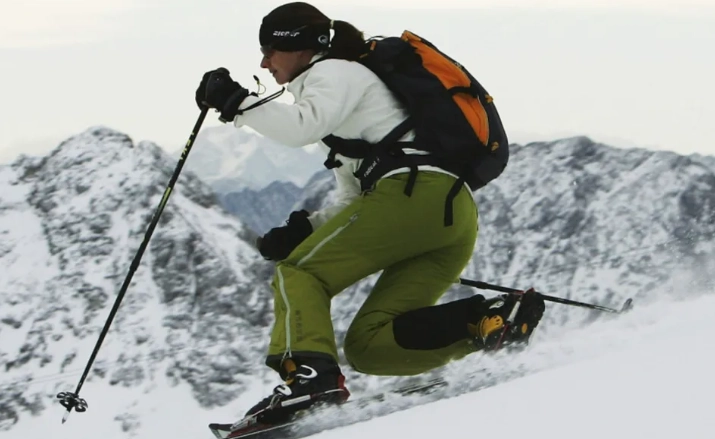
Do I need special pants for telemark skiing?
You don't need them, but you will want them. Regular ski pants often restrict the deep knee bend. Stretch fabric and articulated knees are not a gimmick; they're a necessity for comfort.
Can I use my alpine skis for telemark?
Absolutely. As discussed, most alpine skis work great. Just make sure they are in good condition and have the right flex profile for you. You'll be mounting new bindings on them, so the old alpine holes need to be factored in.
How do I know if my boots fit right?
This is critical. They should be snug but not painfully tight. Your toes should just brush the end when standing straight, and pull back slightly when you flex into a telemark stance (this is called "shell fit"). There should be no heel lift. A professional boot fitter is the best investment you can make. The Professional Ski Instructors of America (PSIA) can help you find certified fitters.
Is used telemark gear safe?
It can be, but you must inspect it carefully. Check boot shells for cracks, especially around the toe piece. Look for worn-out liners. Examine bindings for cracked plastics, frayed cables, or corroded springs. When in doubt, have a shop inspect it. Safety isn't the place to cut corners.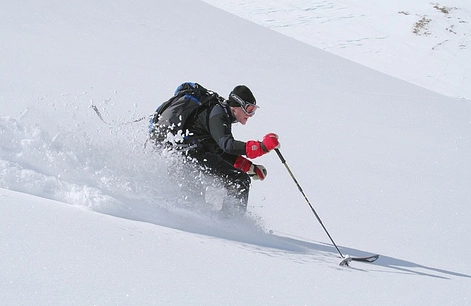
Maintenance: Keeping Your Gear Happy
Telemark gear, with its moving parts, needs a little love.
- Bindings: Keep pivot points clean and lightly lubricated with a dry silicone spray. Check screws periodically to ensure they haven't loosened. For NTN bindings, follow the manufacturer's guide for spring tension adjustment and lubrication.
- Boots: Dry the liners after every use. Keep buckles and power straps functional. If you have intuition liners, re-mold them every couple of seasons if they start to pack out.
- General: Keep everything clean from dirt and salt. Store in a cool, dry place. A great resource for deep-dive gear care and unbiased reviews is Blister Review. Their Winter Buyer's Guide often includes telemark-specific deep dives.
Look, at the end of the day, choosing your telemark skiing gear is a personal journey. It's about finding the tools that unlock the fun and freedom of the turn for you. Don't get paralyzed by the options. Start with your boot fit, match a binding to your primary activity, and choose a ski that fits the snow you dream of.
The best telemark setup isn't the most expensive one. It's the one that makes you want to click in, hike up, and drop in, again and again.
Now go get some turns.