Quick Navigation
- What Makes Telemark Skiing Feel "Hard"? (The Honest Breakdown)
- The Alpine Skier's Advantage (and Disadvantage)
- A Realistic Learning Timeline: From "What am I doing?" to "I'm doing it!"
- Gear Deep Dive: What You Actually Need to Start
- How to Make It Easier: Your Action Plan
- Final Thoughts: Your First Lunge Awaits
You've seen them. Those graceful skiers in the backcountry or even on the resort groomers, dipping into that elegant, lunging turn. The free heel lifts, the knee touches the ski, it looks part ballet, part controlled chaos. It's captivating. And your first thought is probably, "That looks amazing." Your second thought, almost immediately, is "That looks incredibly hard."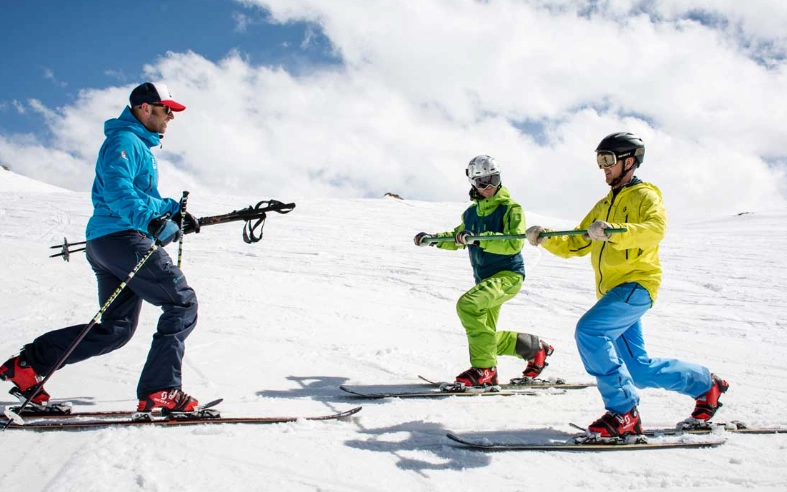
You're right on both counts. Telemark skiing is amazing. And it presents a unique set of challenges that are different from alpine skiing. But how hard is it to learn to telemark ski, really? Is it a mountain only for the ultra-fit ski bum, or can a dedicated intermediate skier crack the code?
I remember my first day on tele gear. I was a confident parallel skier, thought I was in decent shape. An hour in, my quads were screaming in a way they never had on alpine skis. I fell over... a lot. Mostly for no apparent reason. The learning curve felt less like a curve and more like a wall. But here's the thing I wish someone had told me then: the initial "hard" is intense but short-lived. The journey to true proficiency is long, but the door to fun opens surprisingly quickly.
Let's ditch the mystique and break down the real, tangible factors that answer the question: How hard is it to learn to telemark ski?
What Makes Telemark Skiing Feel "Hard"? (The Honest Breakdown)
It's not one thing. It's a perfect storm of physical, technical, and mental shifts. If you go in knowing what to expect, the shock is less, and the progress is faster.
The Infamous Leg Burn (It's Real, Folks)
Let's not sugarcoat it. The number one physical challenge is the quadriceps and glute fatigue. In a parallel turn, your legs work together, sharing the load. In a telemark turn, the front leg is in a deep lunge, holding most of your weight and providing the steering. The back leg is extended, providing pressure and control on the tail of the ski.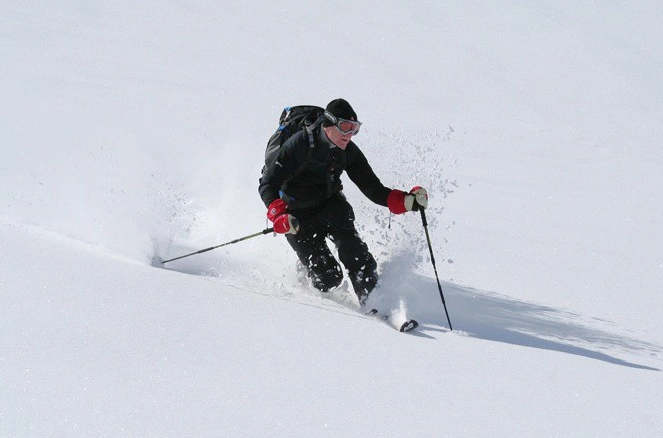
It's a unilateral, sustained isometric hold. Your muscles are working in a way they're simply not used to, even if you're a gym rat. This is the primary reason people ask, "how hard is it to learn to telemark ski?" They've heard the horror stories. The burn peaks in the first few days. Your body adapts. Specific off-snow training (think lunges, step-ups, pistol squats) makes a massive difference. But yes, the initial shock to your legs is the most immediate form of "hard."
The Technical Puzzle: It's a Three-Dimensional Game
Alpine skiing is largely about two edges. Telemark skiing introduces a third: the balance point along the length of the ski. You're managing fore/aft balance in a much more active way because your heels are free.
You have to learn to lead with your front foot, not your upper body. You have to keep your weight centered over the "sweet spot" of the ski, which constantly moves as you transition from lead leg to lead leg. Lean too far back, and you lose steering. Too far forward, and you'll faceplant. This delicate dance of pressure control is the core technical hurdle. It feels unnatural at first because everything in alpine skiing tells you to keep your weight forward and your feet together.
Here’s a quick list of the mental shifts you need to make:
- Forget "forward": Think "centered" or "neutral."
- Lead with the foot, not the shoulder: Initiate the turn by stepping your new front foot forward.
- Embrace a wide stance: A telemark stance is naturally longer than a parallel one.
- Patience in the transition: The turn change is slower, more deliberate.
The Gear Factor: Friend and Foe
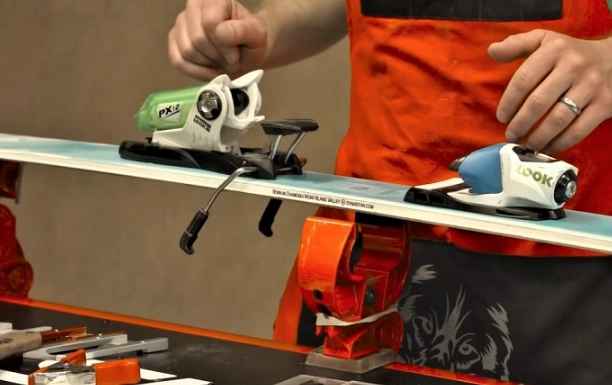
Modern telemark gear is fantastic, but it's different. The boots are softer (though getting more supportive), and the binding only attaches at the toe. This means less direct power transmission from your leg to the ski edge. You have to persuade the ski to turn more than force it.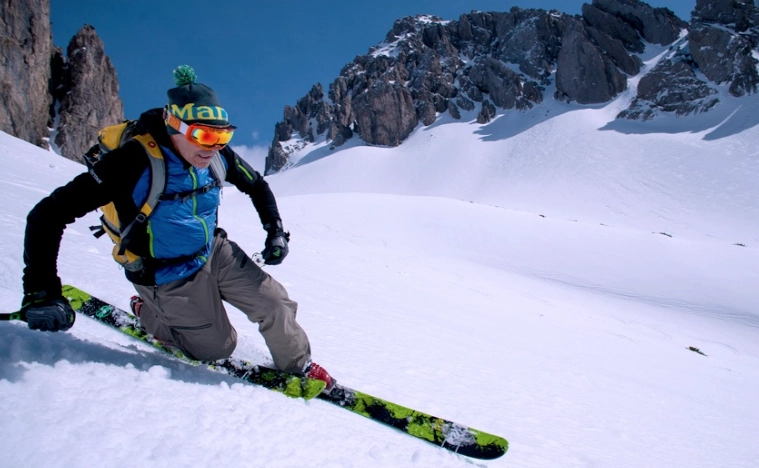
Getting the right setup matters. A stiff, demanding ski meant for experts will make learning a nightmare. A too-soft boot will leave you feeling unsupported. Consulting a shop that specializes in telemark or a good online resource like the WildSnow.com gear guides can save you immense frustration. Starting with a forgiving, mid-fat ski (95-105mm underfoot) and a medium-flex boot is the sweet spot for most learners.
The Alpine Skier's Advantage (and Disadvantage)
If you're already an intermediate or advanced alpine skier, you're ahead of the game in some ways, and behind in others.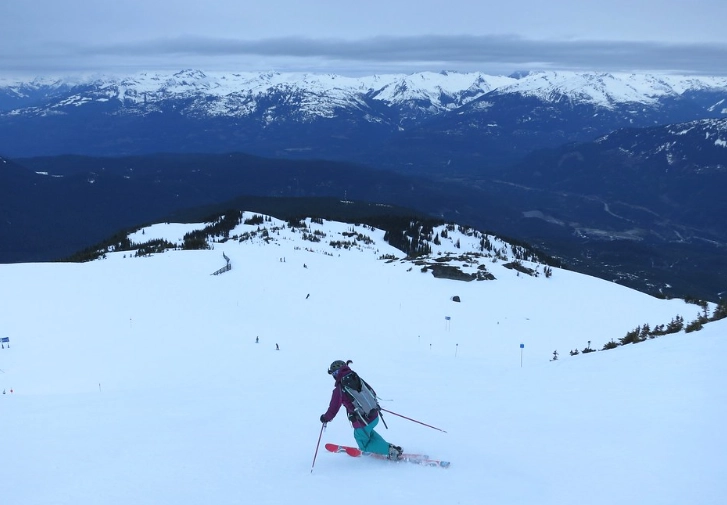
The Advantages: You understand edge control, reading terrain, snow conditions, and general mountain safety. You know how to ride a lift and get down a mountain safely (even if inelegantly). This is huge. A complete novice to snow sliding has to learn all of that plus the telemark turn.
The Disadvantages: Your muscle memory is your biggest enemy. Your body will instinctively want to drive your knees forward and together, to pressure the shovels of both skis, to keep your heels down. You have to actively fight these instincts. This cognitive dissonance—knowing what to do but your body refusing—is a major source of the perceived difficulty. Sometimes, complete beginners with no skiing baggage learn faster because they have no bad habits to unlearn.
So, for the alpine skier wondering how hard is it to learn to telemark ski, the answer is: you'll be making turns down a green run faster than a true beginner, but mastering the refined technique will take conscious effort to override your programming.
A Realistic Learning Timeline: From "What am I doing?" to "I'm doing it!"
Forget "you'll get it in a day." Let's be practical. This assumes you're taking a lesson or following a structured learning path, not just flailing on your own.
| Phase | What It Looks & Feels Like | Typical Time Investment* |
|---|---|---|
| The Shock & Awe (Day 1-2) | Intense leg burn. Feeling completely uncoordinated. Lots of falling (often straight forward or backward). Mastering the "duck walk" and getting on/off the lift. Making tentative, wide wedge tele-turns on a very gentle slope. | 1-2 full days |
| The Click (Day 3-5) | The burn lessens slightly. You start to feel the "lead change" rhythm. You can link 3-4 turns on a green run before needing to stop. You experience your first few turns where everything feels balanced and smooth—it's fleeting, but addictive. | Another 2-3 days of practice |
| Conscious Competence (First Season) | You can confidently ski easy blue runs. You think through every turn: "Step forward, weight centered, roll the knee..." It's work, not flow. You start experimenting on softer snow off the groomed. You're still wary of ice and steep pitches. | A season of weekend skiing (10-15 days) |
| Unconscious Competence (Seasons 2+) | The turn becomes more automatic. You stop thinking about the mechanics and start reading the terrain. You can handle most in-bounds conditions. You begin to explore the backcountry or tackle more challenging lines. The joy factor skyrockets. | Years of ongoing practice |
*Time is highly variable based on fitness, prior skiing skill, quality of instruction, and practice frequency.
The big takeaway? You can be having a ton of fun and exploring green/blue terrain within a week of dedicated practice. True mastery, like any complex sport, takes years. But the gateway to fun is not as high as you think.
Gear Deep Dive: What You Actually Need to Start
Getting the right gear is 50% of the battle. Here’s a no-nonsense look at what to look for as a beginner. I made the mistake of starting on gear that was too advanced, and it slowed me down for a month.
The Binding Choice: 75mm vs. NTN
This is the big debate. The traditional 75mm standard (boot has a duckbill) is proven and has tons of used gear available. The New Telemark Norm (NTN) is newer, more alpine-like, and often praised for its active edge control and step-in convenience.
For a beginner: Don't get bogged down. Either system works. NTN might have a slightly gentler learning curve due to its more precise feel, but a modern 75mm setup (like with a Voile Switchback or 22 Designs Axl binding) is fantastic. Choose based on boot fit and availability. A good resource to compare the engineering and philosophies is the Telemark Pyrenees website—they have detailed explanations and reviews.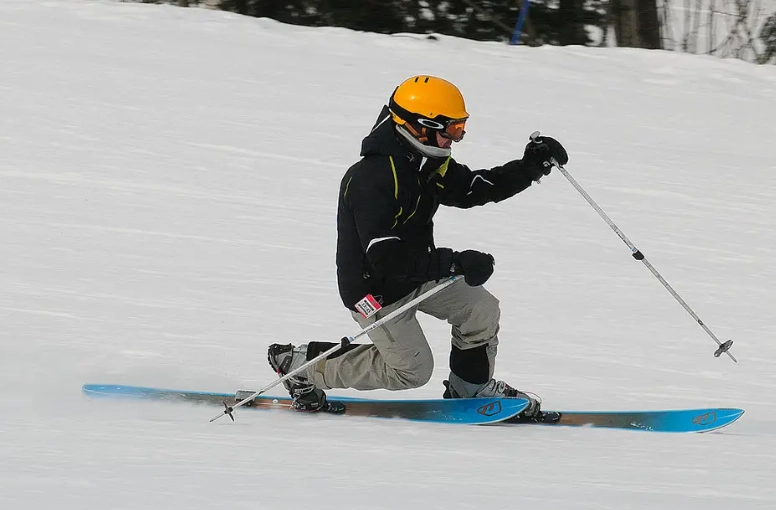
Boots & Skis: The Comfort Equation
Boots: Fit is king, even more than stiffness. A boot that cramps your foot will make you miserable. Look for a medium flex (often called "tour" or "all-mountain" flex). Avoid the super-stiff "competition" models. Try them on with the socks you'll ski in.
Skis: You want a friendly, forgiving ski. Look for:
- Mid-width (95-105mm underfoot): Versatile for groomers and the soft snow you'll seek out.
- Rockered tip and tail: Makes initiating turns easier and prevents hooking.
- Medium flex: Not too stiff, not too soft. A "all-mountain" ski is perfect.
You can often use an older pair of alpine skis mounted with tele bindings, but ensure they're not too race-oriented.
How to Make It Easier: Your Action Plan
If you're intimidated by the question "how hard is it to learn to telemark ski," here's your cheat sheet to lower the barrier.
- Take a Lesson. Seriously. This is non-negotiable. A certified telemark instructor from an organization like PSIA-RM (The Professional Ski Instructors of America - Rocky Mountain Division) will give you the right fundamentals and save you months of frustration. They'll correct your stance before bad habits set in.
- Get Fit Off the Snow. You don't need to be an Olympian. Focus on unilateral leg strength and endurance: lunges (walking, reverse, static holds), step-ups, pistol squat progressions, and core work. A little goes a long way.
- Start on the Right Terrain. Find the flattest, gentlest green run you can. A slight beginner slope is perfect. Practice just shuffling, then making a single turn to a stop. Success builds confidence.
- Embrace the Fall. You will fall. A lot. It's part of the data-gathering process. Wear a helmet, laugh it off. Every fall teaches you a balance limit.
- Film Yourself. Use your phone. What you feel you're doing and what you're actually doing are often wildly different. A quick video review is brutally honest and incredibly helpful.
Final Thoughts: Your First Lunge Awaits
So, circling back to the big question: How hard is it to learn to telemark ski?
The honest answer is that the first couple of days are likely to be humbling and physically demanding. It asks you to move in counter-intuitive ways. It will expose weaknesses in your legs you didn't know you had.
But.
It is not an insurmountable cliff. With the right mindset (embrace the suck), the right gear (forgiving, not punishing), and the right instruction (get a lesson!), you can be making fun, linked turns on intermediate terrain within your first week of dedicated practice. The journey from there to elegant, powerful telemark skiing is a long and rewarding one, full of small breakthroughs and immense satisfaction.
The difficulty is the gatekeeper, but it's a gate that swings open with consistent effort. And on the other side is a whole new way to play on snow. If the vision of that flowing turn calls to you, don't let the fear of "how hard" stop you. Get the gear, find a gentle slope, and take that first lunge. You might just find your new favorite way to ski.
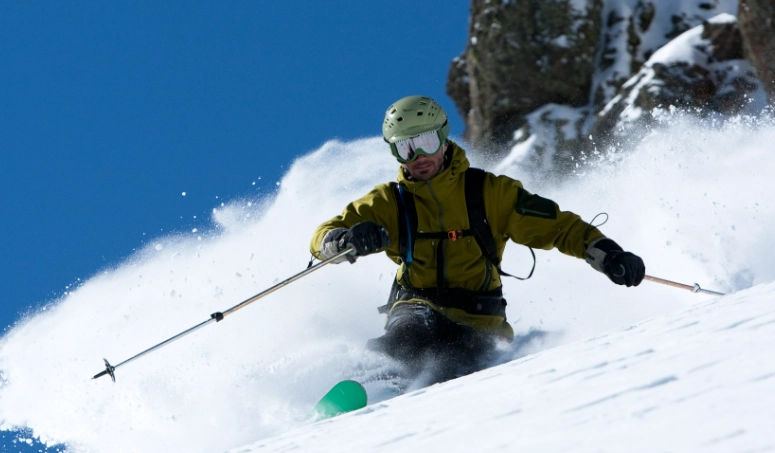
- The Feeling: When you nail a tele turn, especially in soft snow, it's a feeling of fluid, powerful grace that parallel skiing rarely matches.
- Versatility: One setup for the resort and the backcountry. No switching between alpine and AT bindings.
- The Challenge: It keeps skiing fresh and engaging. There's always a new nuance to learn.
- The Community: Telemark skiers are a friendly, slightly quirky tribe. The camaraderie is fantastic.