Quick Navigation
- What Makes a Ski a "Telemark Ski" Anyway?
- The Practical Breakdown: Which Skis Might "Work" and Which Definitely Won’t
- The Binding Dilemma: It's Not Just the Ski
- So, When Might Converting a Ski Make Sense?
- The Cost-Benefit Analysis: Is "Saving Money" Really Saving?
- FAQs: Your Burning Questions Answered
- Final Verdict: Should You Even Try?
I remember standing in my garage, looking at an old pair of alpine skis I'd retired years ago. They were just sitting there, collecting dust. The thought crossed my mind – could I slap some Telemark bindings on these and save myself a chunk of cash? It seemed like a simple, logical question: can any ski be a Telemark ski? I mean, a ski is a ski, right? How different could it really be?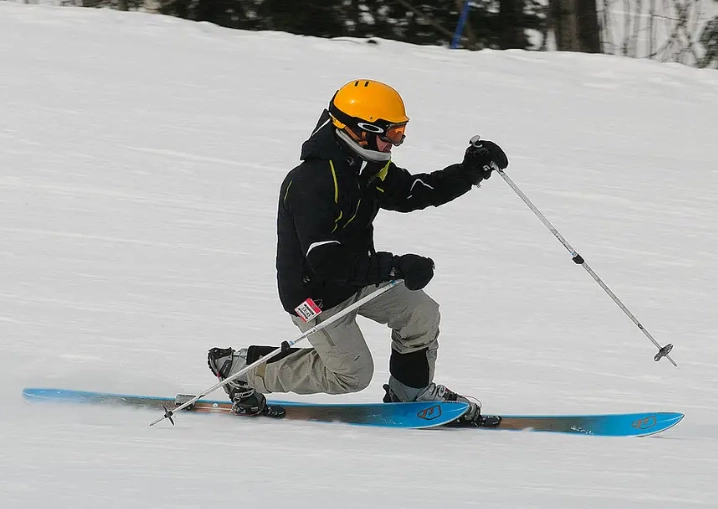
Turns out, I was in for a serious education. The short answer, the one you probably clicked for, is a frustrating "well, technically maybe, but practically, no." But the real answer, the one that matters when you're halfway down a powdery backcountry bowl or trying to hold an edge on icy hardpack, is way more nuanced. It's about physics, design intent, and honestly, not making your learning curve steeper than it needs to be.
Let's dig into the messy, interesting truth behind converting skis and why most of the time, you're better off with the real deal.
What Makes a Ski a "Telemark Ski" Anyway?
This is where we need to start. You can't answer if any ski can become one until you know what one is. It's not just a marketing term. Dedicated Telemark skis are engineered with specific characteristics that directly respond to how you ski with a free heel.
Think about the Telemark turn itself. You're in a deep lunge, your weight distributed between two skis, with your rear heel lifted. This isn't just a quirky stance; it changes everything about how force is applied to the ski.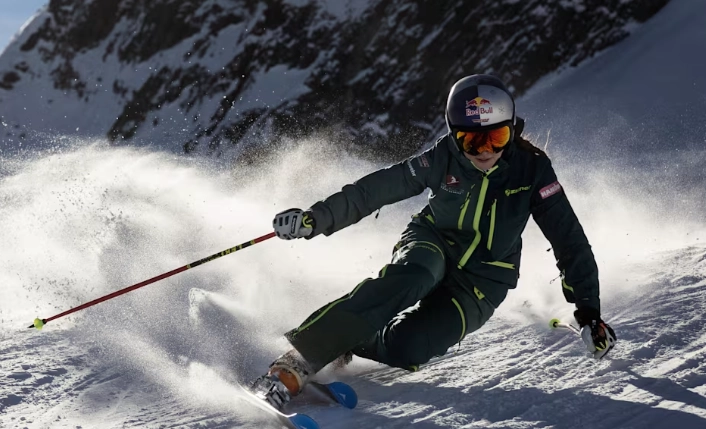
The Flex Pattern is King
This is the biggest, most non-negotiable difference. An alpine ski is designed to be driven from the front. Your boot is locked in at heel and toe, so you pressure the shovel of the ski to initiate a turn. The flex pattern is stiff underfoot and in the tail to support powerful, forward-driven turns.
A Telemark ski has a softer flex, particularly in the tail. Why? Because in a Telemark lunge, your rear foot is applying pressure through the ball of your foot, way behind the traditional "underfoot" sweet spot. If the tail is too stiff (like on most alpine skis), it will feel hooky, unresponsive, and fight you. The rear ski needs to bend and flow to follow the front ski. A dedicated Tele ski allows that rear foot to work the ski effectively. Trying to use a stiff-tailed alpine ski for Telemark can feel like you're trying to steer a canoe with a two-by-four.
I learned this the hard way on some old racing skis. Bad idea. Just a brutal, unforgiving experience.
Mounting Point and Sidecut
Telemark bindings are typically mounted further back on the ski compared to alpine bindings. This is to center your stance over the ski when you're in the lunge. A ski's sidecut and swing weight are designed around this "balance point." If you mount a Tele binding on the recommended alpine line, your stance will feel too far forward, making the tails feel even heavier and harder to manage.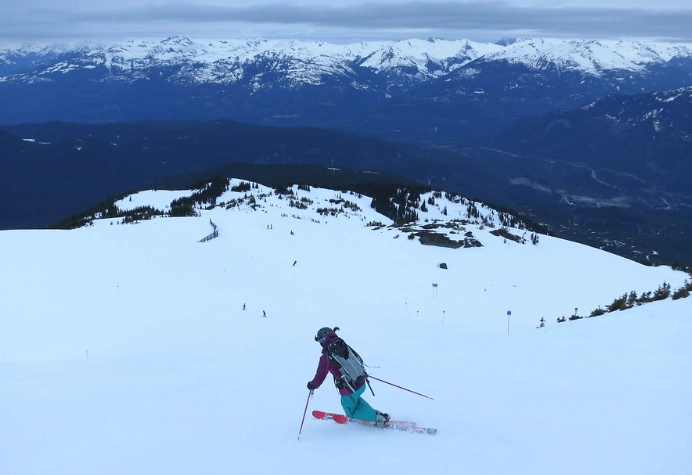
Furthermore, modern Telemark skis often have a more centered sidecut to help with the turn initiation from a more neutral, lunged position. While many all-mountain alpine skis also have progressive sidecuts these days, it's another factor in the cocktail.
The Practical Breakdown: Which Skis Might "Work" and Which Definitely Won’t
Alright, let's get practical. In a perfect world with unlimited budgets, we'd all buy shiny new Telemark-specific sticks. But the world isn't perfect. Maybe you have a spare pair in the garage, or you're just dipping a toe in and don't want a huge investment. Let's categorize.
Here’s a blunt look at the candidates for conversion, ranked from "least bad" to "terrible idea."
| Ski Type | Suitability for Telemark | Key Reasons | Likely Experience |
|---|---|---|---|
| Modern All-Mountain Alpine Ski (Mid-Fat, ~90-105mm underfoot) | Fair to Moderate | Softer flex than race skis, more forgiving. Mount point may still be off. Best candidate if you must convert. | Manageable in soft snow, frustrating on hardpack. You'll feel its alpine roots. |
| Old Alpine Carving Skis (65-75mm waist) | Poor | Extremely stiff tail, narrow sidecut. Designed for hard-edged, forward pressure. | Harsh, unforgiving. The tail will refuse to cooperate. A surefire way to hate Telemark. |
| Powder/Alpine Touring (AT) Ski | Moderate to Good | Often lighter, with a more neutral/mounted-back design for skinning. Flex can be more compatible. | Can work surprisingly well for backcountry-focused Tele, especially if it's a softer model. |
| Dedicated Telemark Ski | Optimal | Designed from the snow up for free-heel mechanics. Correct flex, mount point, and feel. | This is what the sport is supposed to feel like. Responsive, intuitive, and fun. |
See the pattern?
The more a ski deviates from the locked-heel, forward-drive philosophy, the better chance it has of answering "yes" to can any ski be a Telemark ski? A heavy, metal-laminate carving ski is the antithesis of a good Telemark ski. A lighter, surfier powder ski at least shares some DNA.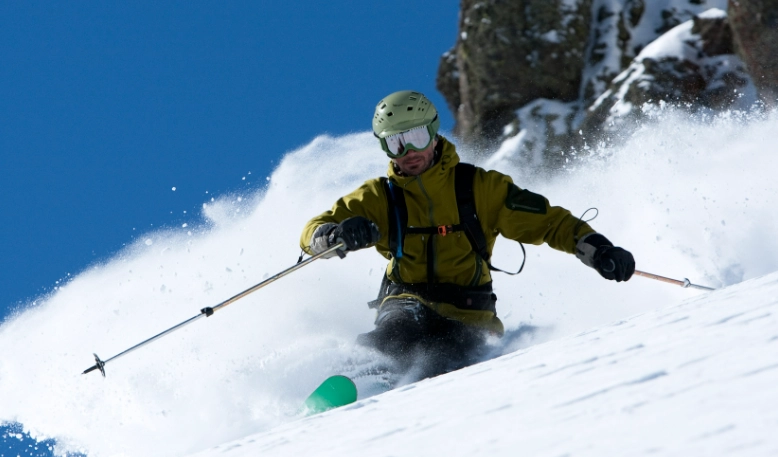
The Binding Dilemma: It's Not Just the Ski
When people ponder can any ski be a Telemark ski, they're usually just thinking about the plank. But the binding is the translator between your body and the ski. Using the wrong binding on a marginal ski makes everything worse.
Traditional "duckbill" bindings (like the 75mm Norm standard) and modern NTN (New Telemark Norm) bindings have different leverage and action. A stiff alpine ski paired with a super-active, cable-driven binding will be a nightmare of over-powering the ski. You might get away with a more neutral binding on a stiff ski, but then you lose performance.
It's a cascade of compromises. Start with a compromised ski, add a potentially mismatched binding, and you're building a setup that fights you at every turn. Literally.
So, When Might Converting a Ski Make Sense?
I've been pretty negative, but let's be fair. There are a few narrow scenarios where asking can any ski be a Telemark ski leads to a "maybe, give it a shot."
- The Experimental Tinkerer: You have a cheap/free pair of softer, modern all-mountain skis and you want to see what the fuss is about with minimal cash outlay. You accept that it will be sub-optimal and are just curious.
- The Backcountry-Primary Skier: You have a lightweight Alpine Touring ski that you already use with tech bindings. Its mount point is already back, its flex is fairly soft for kick-turns, and you want a single ski quiver for occasional Tele turns in the backcountry. This is perhaps the most legitimate crossover use case. Resources like Backcountry.com's Telemark guide often discuss this overlap.
- The Rock Ski Project: You want a beater pair for early or late season when coverage is thin. You don't care about performance, you just want a platform to slide on.
Even in these cases, temper your expectations. You are adapting a tool, not using the right one.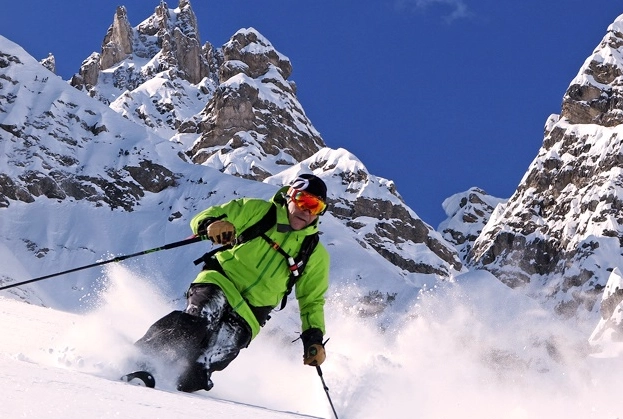
The Cost-Benefit Analysis: Is "Saving Money" Really Saving?
This is the financial heart of the question. A new Telemark setup isn't cheap. But let's do the math on a conversion:
- Free/Cheap Ski: $0 - $100.
- New Telemark Bindings (75mm or NTN): $200 - $500.
- Professional Mounting: $50 - $80.
- Telemark Boots (the most important part!): $300 - $700.
You're already investing $550+ at the absolute minimum for boots, bindings, and mount. For that, you have a mediocre experience on a Franken-ski. For a few hundred dollars more, you could find a previous-season or used complete Telemark-specific setup (ski, binding, boot) that will perform infinitely better and actually encourage you to keep learning.
The "savings" on the ski are often illusory. A poor experience might make you quit, wasting the money you did spend on boots and bindings. I've seen it happen.
FAQs: Your Burning Questions Answered
Final Verdict: Should You Even Try?
After all this, where do we land on can any ski be a Telemark ski?
My honest, from-the-snow advice:
For a true beginner: No. Just don't. The learning curve is steep enough. You need every advantage you can get. Seek out a used, dedicated Telemark ski package. Your knees, your morale, and your progression will thank you. Shops that specialize in the sport, or online communities, are goldmines for affordable starter gear.
For an experienced alpine skier dabbling: Maybe, if you have the right donor ski (soft, modern, all-mountain/powder/AT) and you're approaching it as a low-stakes experiment. Go in with rock-bottom expectations.
For someone committed to the sport: Absolutely not. Invest in a proper Telemark ski. The engineering matters. You'll unlock a level of smoothness, control, and joy that a converted alpine ski can't touch. It's the difference between struggling with a tool and feeling like the tool is an extension of your body.
The spirit of Telemark is about freedom and connection.
It seems ironic, then, to start that journey by chaining yourself to equipment that limits that freedom. Your ski is your partner in the turn. Choose one that's designed to dance with you, not one you have to drag across the floor.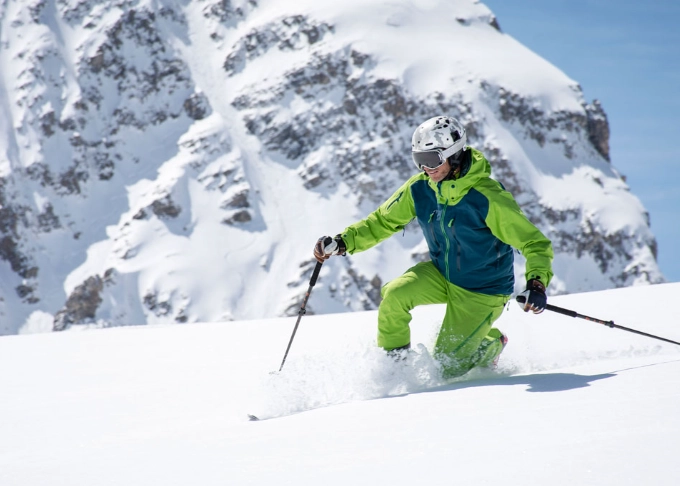
In the end, the question isn't really about physics or mounting holes. It's about your experience. Do you want to be a mechanic constantly adjusting a misfit part, or a skier lost in the flow of a perfect turn? I know which one I'd pick every time.