Quick Navigation
- What Exactly Is a Home Chairlift, and Who Is It For?
- Straight Rail vs. Curved Rail: The Big (and Expensive) Difference
- Breaking Down the Real Cost of a Chairlift for Home
- Top Chairlift Brands: A Quick, Honest Comparison
- The Buying & Installation Process: What Actually Happens
- Living With a Chairlift: Maintenance, Safety, and the Little Annoyances
- Your Chairlift Questions, Answered
- Final Thoughts: Is a Chairlift for Home the Right Choice?
Let's talk about something that feels overwhelming at first but can change everything for someone in your family. A chairlift for home. Maybe you're looking for your parents so they can stay in the house they love. Maybe it's for you after a surgery or an injury. Or maybe you're just planning ahead, you know?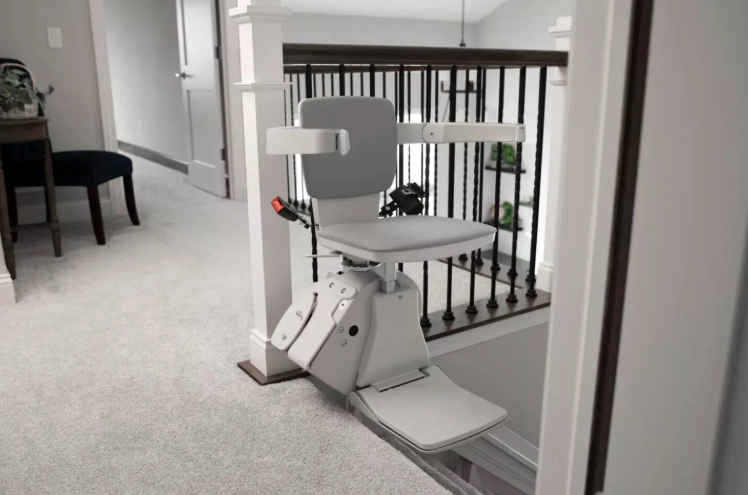
The thing is, searching online for "chairlift for home" throws a ton of information at you. Brands promise the world, prices are all over the place, and you're left wondering what you actually need to know before making a call. I get it. I went through this with my own uncle a few years back. The process was confusing, and we made a couple of mistakes I wish we hadn't.
So, I'm writing this guide to cut through the noise. No fluff, no sales pitches. Just the real-world info you need to make a smart decision. We'll cover the costs (the real ones, including the nasty surprises), the different types, the top brands, and the whole installation process from start to finish. By the end, you'll know exactly what questions to ask and what to expect.
What Exactly Is a Home Chairlift, and Who Is It For?
At its core, a chairlift for home is a motorized seat that travels along a rail attached to your staircase. It's not an elevator. It's a simpler, more affordable solution for tackling stairs when climbing them becomes difficult, painful, or unsafe.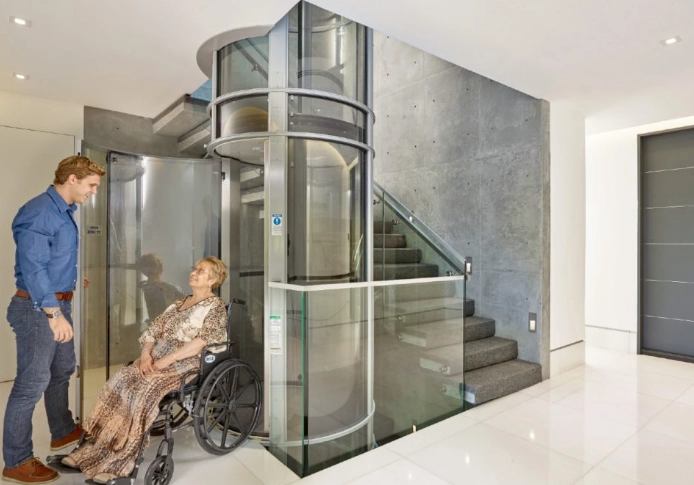
Think of it as giving someone back their independence on the stairs. No more worrying about falls. No more having to move bedrooms downstairs or avoid the second floor entirely.
- Seniors experiencing joint pain, arthritis, or general loss of strength.
- Individuals recovering from surgeries like hip or knee replacements.
- People with chronic conditions like COPD, heart disease, or MS where stairs sap their energy.
- Anyone with balance issues or a fear of falling on the stairs.
I remember my uncle's relief. He could finally get to his bedroom and his home office upstairs without having to plan an expedition. It seems small, but it's huge for quality of life. A chairlift for home isn't about giving up; it's about staying in control.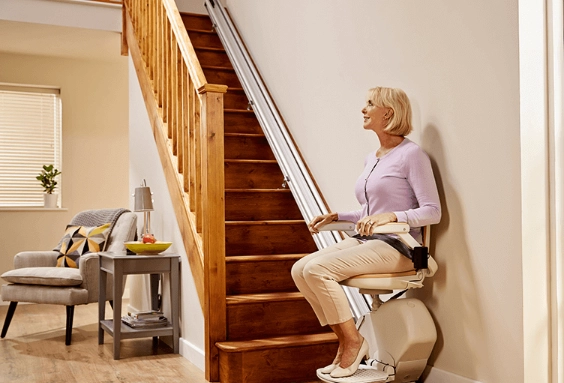
Straight Rail vs. Curved Rail: The Big (and Expensive) Difference
This is the first major fork in the road, and it all comes down to your staircase.
The Straight Stairlift
If your stairs go in one straight line from top to bottom, with no landings, turns, or intermediate floors, you're in luck. This is the most common and most affordable type of chairlift for home.
The rail is a single, straight piece custom-cut to fit your stair length. Installation is relatively straightforward—usually done in just a few hours. Because the design is simpler and parts are more standardized, the price is lower. You're looking at the entry point for getting a chairlift installed.
Most people searching for a basic home chairlift will end up looking at straight models from brands like Acorn or Stannah.
The Curved Stairlift
Now, if your stairs have a turn—a landing, an L-shape, a U-shape, or even wrap around multiple walls—you need a curved stairlift. This is where things get custom and, let's be honest, a lot more expensive.
The rail is fabricated in sections to follow the exact contours of your staircase. It's a bespoke piece of engineering. The motor and mechanics are more complex because the chair needs to navigate turns smoothly and safely. This means more design time, more materials, and a longer installation.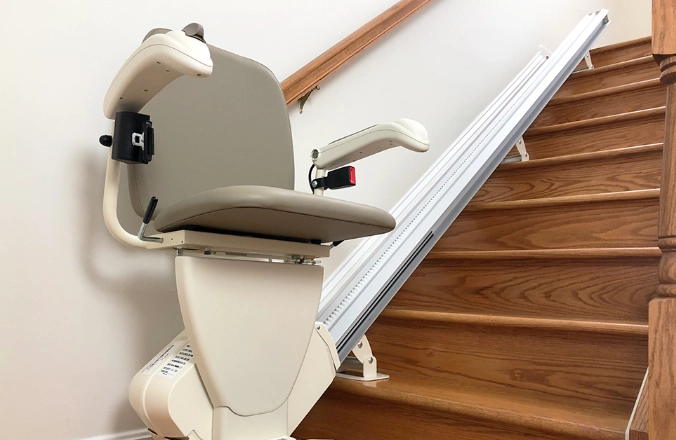
The cost difference isn't marginal; it's massive. A curved system can easily cost two to three times more than a straight one. But if your stairs aren't straight, it's your only option for a seated lift. There's no way to cheaply hack a straight rail to fit a curved staircase—it's a safety and engineering non-starter.
Breaking Down the Real Cost of a Chairlift for Home
Alright, let's talk money. This is where a lot of websites are vague. I'll give you real numbers based on current market averages and my research. Remember, these are estimates. You must get a free in-home assessment for a real quote—that's non-negotiable.
The price isn't just for the machine. It's a package deal.
| Cost Component | Straight Stairlift (Estimated Range) | Curved Stairlift (Estimated Range) | What It Includes & Notes |
|---|---|---|---|
| Equipment & Basic Installation | $3,000 - $5,500 | $10,000 - $15,000+ | The chair, rail, motor, batteries, and professional installation. This is the "sticker price." |
| Optional Features | $200 - $1,000+ | $500 - $2,000+ | Swivel seats, powered footrests, wider seats, remote controls, folding rails. These add up quickly. |
| Ongoing Costs | ~$200 - $400/year | ~$300 - $600/year | Annual service contract (highly recommended), battery replacement every 1-3 years ($150-$300). |
| Potential "Hidden" Costs | Varies | Varies | Electrical work for a new outlet, modifying handrails or trim, repairing stair structure if needed. |
You might be thinking, "Can I finance this?" Absolutely. Most major dealers offer financing plans. Also, check if you have any coverage:
- Medicare: Typically does NOT cover chairlifts for home, as they are considered "convenience" items, not "durable medical equipment" for use inside the home. Don't count on it.
- Medicaid Waivers & Veterans Benefits: Sometimes. It's state-specific for Medicaid and case-specific for VA benefits. You have to dig into the details and get pre-approval. It's a paperwork battle, but potentially worth it.
- Private Health Insurance: Very rarely. Almost never.
- Home Modification Grants: Some local Area Agencies on Aging or non-profits offer grants or low-interest loans. It takes research.
Top Chairlift Brands: A Quick, Honest Comparison
You'll see a handful of names pop up again and again. They all work, but they have different feels and reputations. Here's my take, based on industry reviews, user forums, and what installers have told me.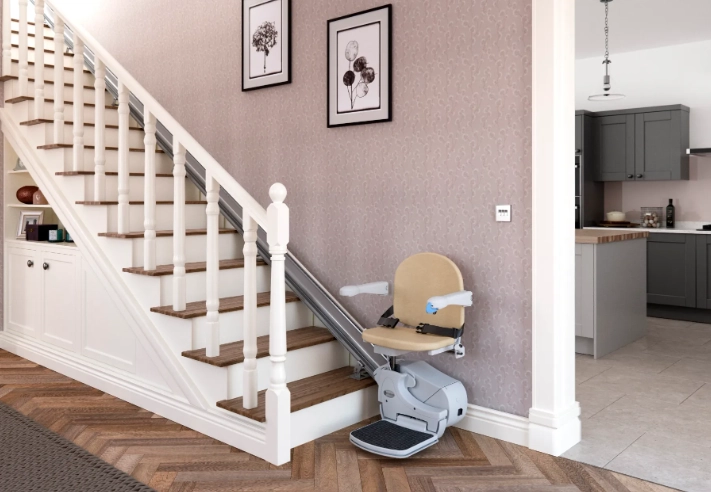
Acorn Stairlifts: They're the big marketers. You've probably heard the name. They focus heavily on straight stairlifts and are known for aggressive sales tactics (their constant phone calls after an inquiry are infamous). The product is fine—reliable and competitively priced for straight runs. Their curved options exist but aren't their main game. Good for a simple, no-frills straight chairlift for home if you can handle the sales pressure.
Stannah Stairlifts: A classic, older British company. They feel solid and well-built. They have a strong reputation for both straight and curved models. They tend to be on the higher end of the price range, but you're paying for a perceived durability and a long company history. Some users find their older models a bit noisier, but the new ones are quiet.
Bruno Stairlifts: This is the brand my uncle ended up with. I liked them because they offer both seated stairlifts and the "Elite" standing platform (a perch you lean on). If the user has severe knee or hip pain that makes sitting and standing difficult, the standing option is a genius solution that other brands don't push as much. Their sales process felt less pushy, more consultative.
Handicare (formerly known as Access): Another major player, especially in the curved market. They're known for sleek, modern designs and very quiet operation. They're often a top contender for complex curved installations.
TK Home Solutions / Summit: These are often the "value" brands you'll see. They can be significantly cheaper. The trade-off? Sometimes the materials feel a bit lighter, the warranty might be shorter, and the dealer network for service might be thinner. It's a risk-reward calculation.
The Buying & Installation Process: What Actually Happens
Let's walk through it, so there are no surprises.
Step 1: The In-Home Assessment (This is FREE)
A sales consultant (who is often also a trained assessor) comes to your house. They're not just there to sell; they're there to measure. They'll look at your staircase width, height, turns, electrical outlet location, and even the condition of the stairs themselves. They'll discuss the user's needs: weight capacity, any difficulty sitting/standing, if they need to carry things like a walker. This is when you ask every single question you have. Get quotes from at least three different companies. Their measurements and recommendations should be similar; if one is wildly different, be skeptical.
Step 2: The Quotation & Decision
You'll get a detailed quote. It should list the model, all features, the total installed price, warranty terms (parts AND labor? for how long?), and service contract details. Read the warranty carefully. Some only cover parts, leaving you to pay hundreds for labor if something breaks in year two.
Step 3: Installation Day
For a straight stair lift for elderly family members, this is usually a 3-5 hour job for a two-person crew. For curved, it could be one or two full days. They will:
- Protect your floors and stairs with drop cloths.
- Assemble the rail and secure it to the stair treads (not the wall) with heavy-duty brackets.
- Mount the chair and connect the motor and wiring.
- Test everything extensively—safety sensors, smooth stops, charging function.
- Walk the primary user (and a family member) through every single control, safety feature, and basic troubleshooting.
The crew should leave your home clean, with no debris. You should have a folder with the manual, warranty, service contract info, and the installers' direct contact number.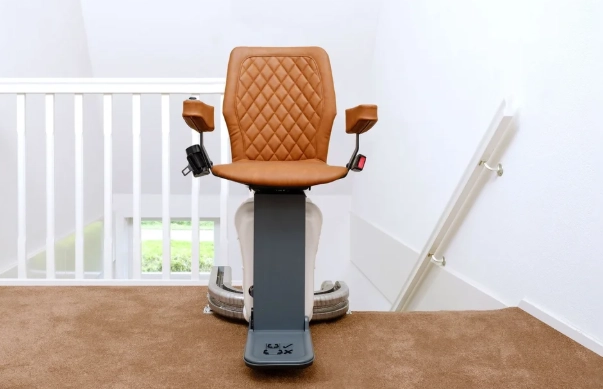
Living With a Chairlift: Maintenance, Safety, and the Little Annoyances
It's installed. Now what?
Daily Use: It's simple. Sit, buckle the seatbelt (yes, use it!), press the button. That's it. The chair charges at the top or bottom landing by plugging into a standard outlet. A full charge lasts for several days of normal use.
Safety Features You'll Come to Rely On:
- Swivel Seat: The chair should swivel at the top/bottom so you're not trying to step off sideways onto the stairs.
- Safety Sensors: Edges on the footrest and base that stop the chair if they hit anything—a pet, a shoe, a bag.
- Seatbelts: Non-negotiable. Use them.
- Key or Code Lock: Prevents kids from playing with it.
Maintenance is Non-Negotiable Too. This isn't a fridge you can ignore. An annual service contract ($200-$400) is worth every penny. A technician will come, lubricate parts, check alignment, test all electronics and safety features, and replace worn components before they fail. Trying to save money by skipping service is a great way to get stranded on the stairs with a broken chairlift for home.
The Annoyances (Let's Be Real):
- It's in the way. When not in use, it's parked on the rail, making the stairs slightly narrower. You get used to it, but it's a change.
- Noise. Even the quiet ones make a low hum. It's not loud, but you'll hear it.
- Aesthetics. It's a machine on your staircase. Some models are sleeker than others, but it's never invisible.
Your Chairlift Questions, Answered
Will it work if the power goes out?
Yes. All modern home chairlifts run on rechargeable DC batteries. The house outlet just keeps the batteries charged. In a power outage, the chair will still make many trips up and down on battery power. You can also manually release it and push it like a cart if needed.
How much space does it take up?
The rail typically adds about 4-5 inches to the side of your staircase. The folded chair itself adds another 10-12 inches of width when parked. Measure your stair width. If it's less than 30 inches, it might feel tight for others to pass.
Can I install it myself to save money?
Absolutely not. This is a heavy, complex safety device that carries a person. Improper installation can lead to catastrophic failure. It voids all warranties and is a massive liability. Professional installation is the one cost you cannot skip.
Is it safe for curved or spiral stairs?
Curved stairs, yes—that's what curved rail systems are for. True narrow spiral stairs are often a problem. The tight radius can be impossible for a standard chair to navigate. In those cases, a platform lift (a small elevator) might be the only option, which is a different and more expensive project.
What about outdoor stairs?
Yes, there are outdoor-rated stairlifts! They have weatherproof covers, rust-resistant components, and are built to handle temperature swings and moisture. They cost more than an indoor model.
How long does a chairlift last?
With proper maintenance, a good quality chairlift for home can last 10-15 years, sometimes longer. The batteries and upholstery will need replacing long before the motor gives out.
Final Thoughts: Is a Chairlift for Home the Right Choice?
Look, it's a significant investment. It changes the look and feel of your house. But what it gives back is often priceless: safety, independence, and peace of mind.
If stairs are becoming a barrier, a hazard, or a source of anxiety, then yes, it's worth serious consideration. The key is to go in with your eyes open. Know the real cost. Get multiple quotes. Vet the installer. Plan for ongoing maintenance.
Don't let a pushy salesperson rush you. This is a decision for the long term. A well-chosen and well-maintained chairlift isn't just a machine; it's a tool for living life fully at home, on every floor.
Start by calling a few local dealers for that free in-home assessment. See the models in person. Sit in them. You'll learn more in that hour than in days of online searching. Good luck