Quick Navigation: What You'll Learn
Snowboarding looks cool—until you strap in for the first time and spend more time on your butt than on the board. I've taught beginners for over a decade, and let's be honest: it's hard. But not for the reasons most people think. The core issue isn't just balance or courage; it's a mix of unfamiliar physical demands, mental barriers, and often, wrong gear. In this article, I'll break down why snowboarding feels so tough initially and give you concrete steps to overcome it. No fluff, just stuff that works.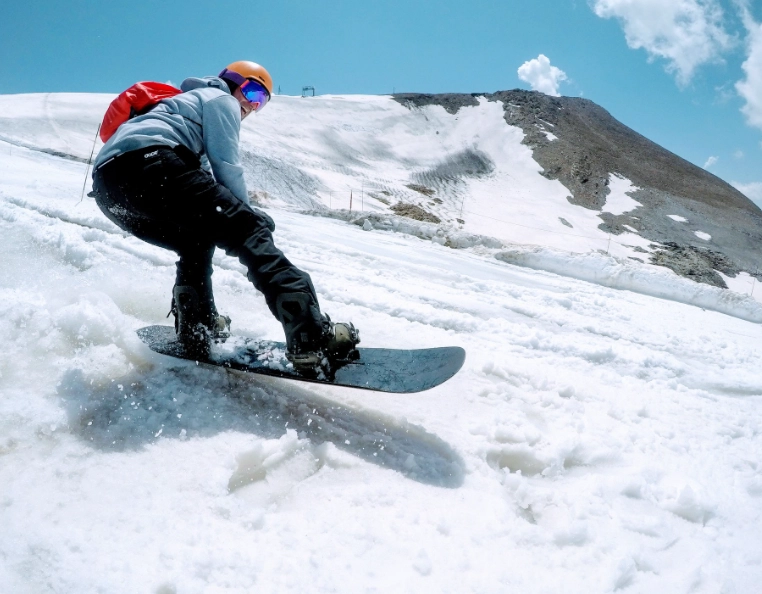
You might have heard that snowboarding has a steeper learning curve than skiing. That's partly true. A study by the International Snowboarding Federation notes that beginners typically take 3-5 days to feel comfortable on gentle slopes, compared to 1-2 days for skiing. But why? It boils down to three areas: your body, your mind, and your equipment.
The Physical Demands That Trip You Up
Your body isn't used to moving this way. Snowboarding requires lateral movements and edge control that feel alien if you come from sports like running or cycling.
Balance and Core Strength: More Than Just Standing
Most beginners think balance is about staying upright. It's not. It's about dynamic stability—shifting your weight smoothly while the board slides. Your core muscles, especially obliques, work overtime to keep you centered. If you sit at a desk all day, your core might be weak, making every wobble feel catastrophic.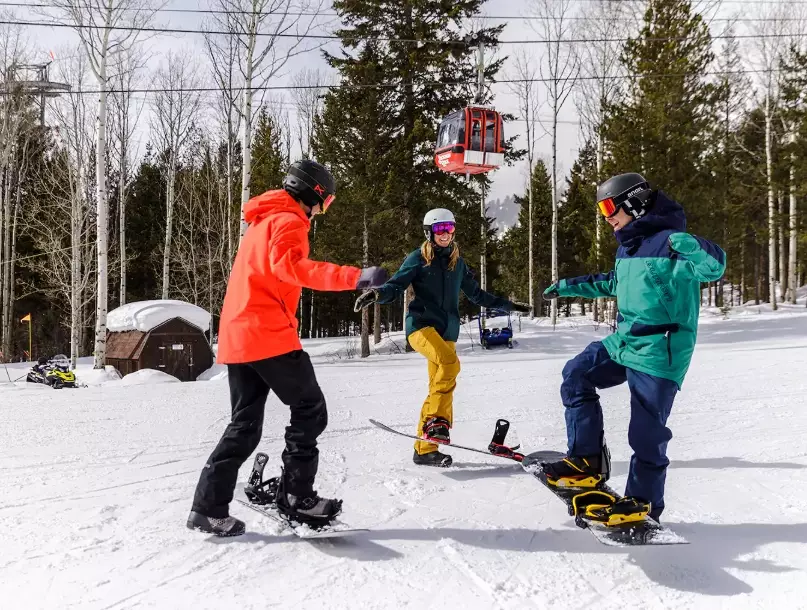
I see this all the time: riders stiffen up, trying to "hold" their balance. Bad move. Snowboarding balance is fluid, like surfing. You need to relax and let the board move under you. A tip? Practice on a carpet at home: strap in and rock from toe to heel edge, feeling the engagement in your ankles and core.
Edge Control: The Art of Not Catching an Edge
This is the number one cause of falls for newbies. Catching an edge happens when the board's edge digs into the snow unexpectedly, sending you flying. It's brutal and discouraging.
Why does it happen? Beginners often lean back, putting too much weight on the back foot, or they freeze and let the board go flat. The board needs to be on either the toe or heel edge slightly to glide. When it's flat, any little bump can catch an edge. My non-consensus view: many instructors overemphasize "leaning forward," but the real key is distributing weight evenly and making micro-adjustments with your ankles.
Personal story: I taught a student who kept catching her heel edge. Turns out, her boots were too loose, causing her ankles to roll inward. We tightened them, and she improved instantly. Gear matters more than you think.
The Mental Game: Fear and Frustration
Snowboarding messes with your head. The fear of falling, the frustration of slow progress—it's a mental marathon.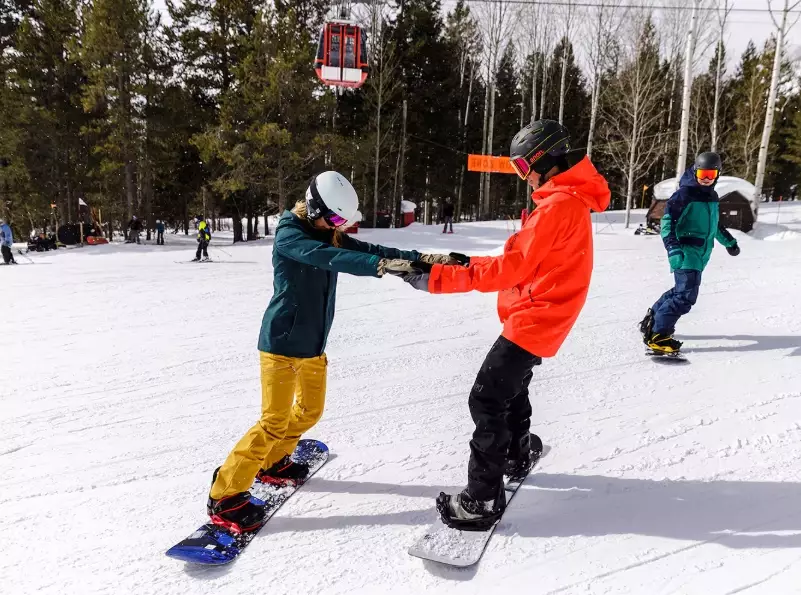
Overcoming the Fear of Falling
Falling is inevitable. But beginners often fear it so much that they tense up, making falls worse. The trick is to learn how to fall correctly: tuck and roll, not stick your arms out. Practice on soft snow or even a gym mat.
Another mental block? Comparing yourself to others. You see kids zipping by and feel pathetic. Don't. Everyone starts somewhere. Focus on small wins, like making one clean turn.
The Learning Curve vs. Instant Gratification
We live in an instant-gratification world. Snowboarding doesn't work that way. The first day is mostly falling; the second, you might link a turn or two. It's a grind. I tell students: embrace the struggle. The breakthrough comes after persistence, not magic.
It's okay to feel frustrated. Just don't let it stop you.
Equipment Pitfalls That Make It Harder
Wrong gear can turn a challenging sport into a nightmare. Rentals are fine, but they're often set up generically, not for your specific needs.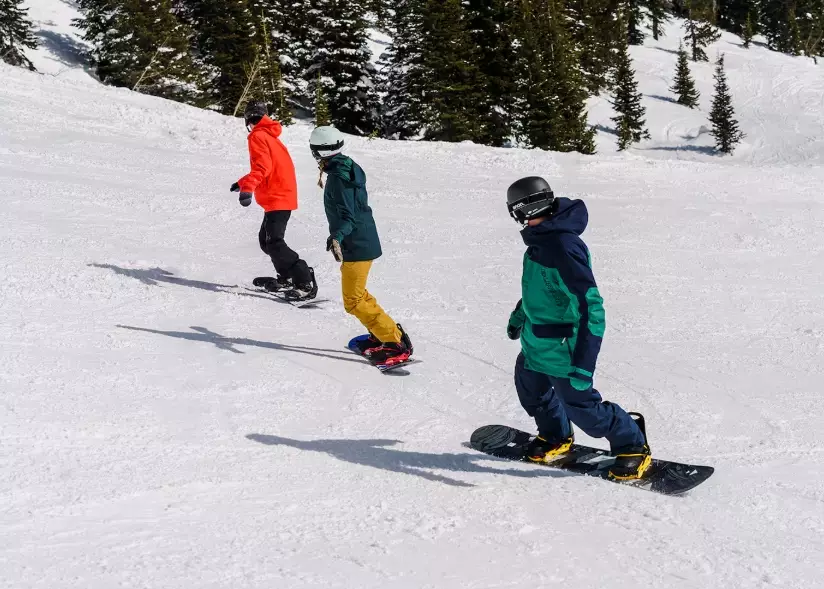
Here's a quick comparison of common gear issues for beginners:
| Gear Item | Common Beginner Mistake | Why It Makes Snowboarding Harder | Quick Fix |
|---|---|---|---|
| Boots | Too loose or too tight | Loose boots reduce control; tight boots cut circulation and cause pain | Wear thin socks, buckle snugly but not painfully |
| Board | Wrong size or stiffness | Too long is hard to maneuver; too stiff doesn't forgive errors | Choose a soft, shorter board (e.g., up to chin height) |
| Bindings | Incorrect stance width or angle | Narrow stance feels unstable; wrong angle strains knees | Set width shoulder-width, angles around 15 degrees front, -6 back |
I often see beginners using hand-me-down boards that are too advanced. A soft, flexible board is your friend. Check resources like the Good Ride for detailed gear reviews—they test boards specifically for beginners.
A Step-by-Step Practice Plan for Your First Days
Don't just wing it. Have a plan. Here's a simple breakdown for your first three days on snow, based on what I've seen work for hundreds of students.
Day 1: Getting Comfortable with Sliding
Focus on flat areas or very gentle slopes. Practice strapping in and out. Then, try gliding on one foot (push with the other) to feel the board's movement. Work on falling and getting up—it's a skill in itself. Spend an hour just doing this. Boring? Maybe, but it builds confidence.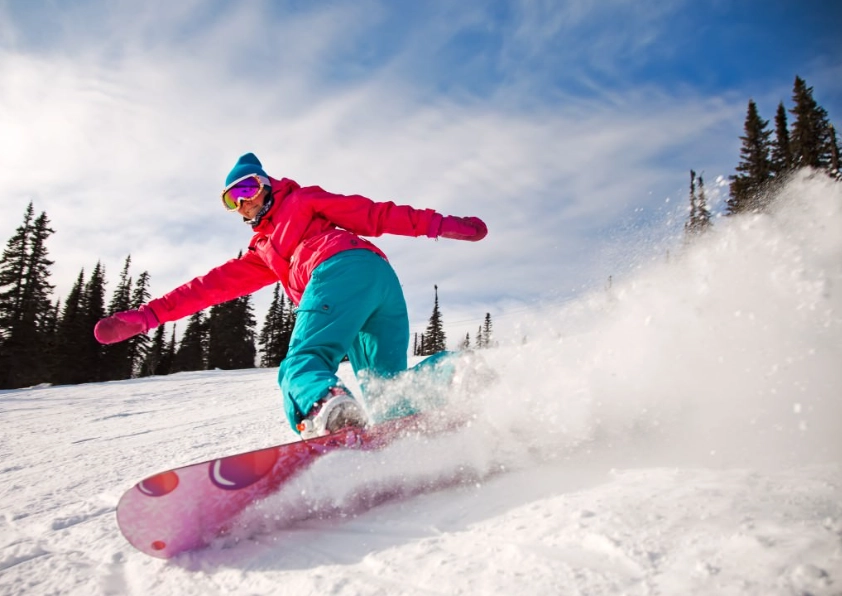
Day 2: Introduction to Edges and Turns
On a beginner slope, practice J-turns. Start with heel-side turns: point downhill, then gently press your heels to slow and turn. Then toe-side turns. Don't rush linking turns yet. Most falls happen here because people try to turn too sharply. Keep it gradual.
Day 3: Linking Turns and Building Rhythm
Now, connect those J-turns into S-turns. Think of it as a dance: shift weight from heels to toes smoothly. Use your shoulders to guide the turn, but don't over-rotate. If you fall, analyze why—was it speed, edge control, or balance? Adjust accordingly.
This plan assumes you're taking lessons or have a patient friend. Self-teaching can work, but it's slower and riskier for bad habits.
Common Beginner Mistakes (And How to Fix Them)
After years of coaching, I've noticed patterns. Here are the top mistakes beginners make, rarely discussed in generic guides.
Looking Down at Your Board
Your eyes guide your body. If you stare at your feet, you'll hunch over and lose balance. Fix: Look ahead where you want to go, not at the board. It feels unnatural at first, but it keeps your body aligned.
Leaning Back in Fear
When scared, people lean back, thinking it'll slow them down. It actually reduces control and makes catching an edge more likely. Fix: Keep your weight centered or slightly forward. Imagine pushing your front knee toward the nose of the board.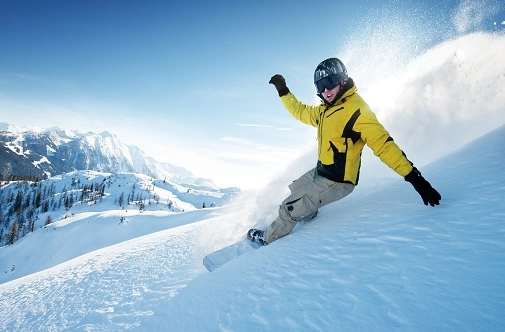
Using Arms for Balance
Flailing arms throw off your center of gravity. I've seen riders spin out because they windmill their arms. Fix: Keep arms relaxed at your sides or slightly forward, like you're holding a tray. Use them for subtle counter-rotation in turns.
Ignoring Foot and Ankle Movements
Snowboarding is driven by feet and ankles, not just hips. Beginners often twist their hips wildly, but fine control comes from pressing toes or heels down. Fix: Practice on a flat surface: press toes to engage toe edge, heels for heel edge, without moving your upper body much.
These fixes aren't instant, but awareness helps. Record yourself on video—it's eye-opening.
FAQ: Your Burning Questions Answered
Snowboarding is hard for beginners, but it's not impossible. The challenges—physical, mental, gear-related—are real, but with targeted practice and patience, you'll get past them. Remember, every pro was once a beginner falling on their face. Stick with it, and soon you'll be carving down slopes with a grin.