Quick Navigation
- The Absolute Foundation: Your Stance and How to Move
- The Core Basic Ski Techniques: The Holy Trinity
- Leveling Up: From Wedge to Parallel Turns
- Essential Skills Beyond Turning
- Gear and Prep: The Unseen Basic Technique
- Safety and Mountain smarts
- Common Questions About Basic Ski Techniques
- Putting It All Together: Your First Mountain Day Plan
Let's be honest. Standing at the top of a snowy slope for the first time, those long planks strapped to your feet, can feel downright terrifying. I remember my first time. I spent more time on my backside than on my skis, and I was convinced everyone was laughing. They probably were. But here's the secret nobody tells you on those overpriced mountain videos: skiing is just a series of simple, learnable movements. It's not magic. It's physics, a bit of balance, and knowing what to do with your edges.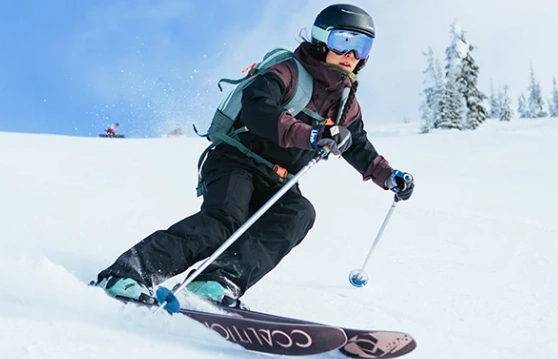
So, what are the basic ski techniques you actually need? Forget the fancy carving turns you see on TV for now. We're talking about the real, foundational stuff that forms your skiing alphabet. Master these, and you build the words and sentences that let you cruise down the mountain with a grin instead of a grimace.
The Absolute Foundation: Your Stance and How to Move
Before you even think about pointing downhill, you need to know how to stand. This might sound silly, but a good athletic stance is everything. It's your home base.
Imagine you're about to catch a basketball. Knees bent, hips slightly back, hands forward and visible. Your weight should be on the balls of your feet, not your heels. If you lean back, you lose all control—it's the number one beginner mistake. Your skis should be hip-width apart, parallel. This stable, ready position gives you balance and the ability to react.
Now, how do you move on flat ground? You shuffle. Not walk. Shuffle. Keep those skis mostly parallel and slide one forward, then the other. Trying to lift your skis completely is a recipe for a tangled, embarrassing mess. For going uphill, you'll learn the "herringbone"—making a V-shape with your ski tips and walking your skis inward. It looks awkward but works like a charm.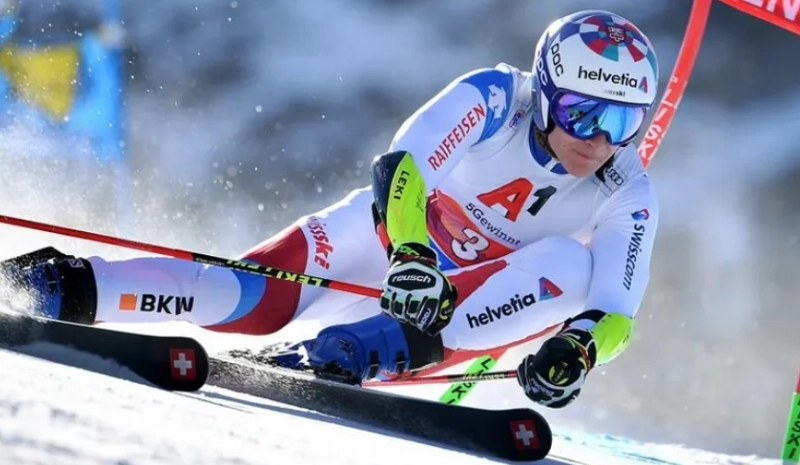
Getting Up After a Fall
You will fall. Everyone does. Getting up efficiently is a basic ski technique in itself. Don't struggle like a turtle on its shell. First, make sure your skis are below you on the slope (pointing across the hill, not down). Roll onto your knees, plant your poles in the snow uphill from you for support, and push yourself up. If that fails (and it sometimes does on a steeper bit), it's totally acceptable to detach one ski, stand up, and clip back in. No shame.
The Core Basic Ski Techniques: The Holy Trinity
Alright, let's get to the heart of the matter. When instructors talk about the basic ski techniques, they're usually referring to three interconnected skills: the snowplough (or wedge), turning, and stopping. They are not separate things. One flows into the other.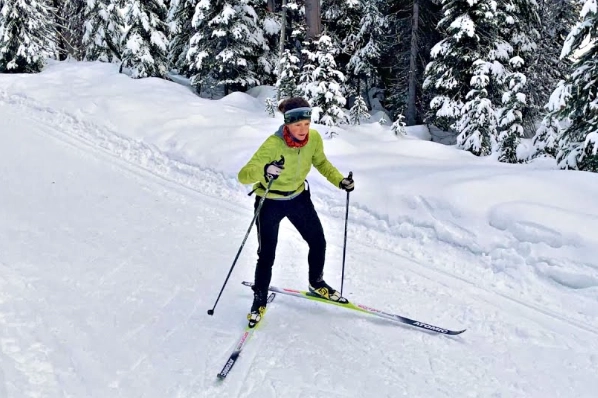
The Snowplough (or Wedge): Your Brake and Steering Wheel
This is where it all begins. From your athletic stance, you gently push your heels out, bringing your ski tails apart while keeping the tips close together. Your skis form a pizza slice or a wedge shape. This simple action pushes snow between your skis, creating friction and slowing you down.
How much you open the wedge controls your speed. Bigger wedge = more brake. Smaller wedge = less brake. Practice this on a very gentle slope until you can consistently control your descent. The goal is to make a smooth, controlled track down the hill, not a series of jerky stops and starts.
A common hiccup? One leg does more work than the other, causing you to turn unintentionally. Focus on equal pressure on both skis.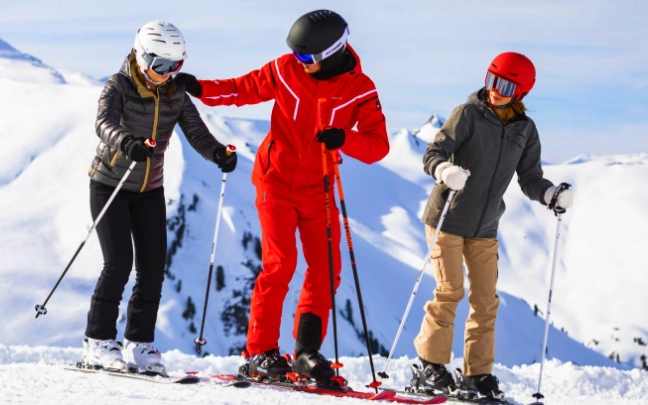
The Snowplough Turn: Learning to Steer
Once you can control speed in a straight wedge, you add steering. To turn right, you apply a bit more pressure on your left ski. To turn left, more pressure on the right ski. It's a subtle weight shift, not a dramatic lean. Look where you want to go—your body will follow. Start with gentle, wide turns across the slope. This is you actively answering the question, "what are the basic ski techniques for changing direction?"
I found this incredibly frustrating at first. My brain said "press left," but my body would just stiffen up. The breakthrough came when a patient instructor told me to just try to "smush a bug" under the big toe edge of the outside ski. Weird visualization, but it worked.
Stopping with Control
Stopping isn't just about making a bigger wedge and hoping. A controlled stop involves finishing a turn. As you complete a snowplough turn across the hill, you gradually increase the wedge and the pressure on your downhill (outside) ski until you come to a standstill, facing across the slope. This is far more stable and controlled than just trying to slam on the brakes facing straight down the fall line.
Leveling Up: From Wedge to Parallel Turns
So you're cruising the green runs, making consistent wedge turns. What's next? The holy grail for progressing beginners: the stem christie, which is the bridge to parallel skiing. This is where you start to bring your skis parallel through the finish of the turn.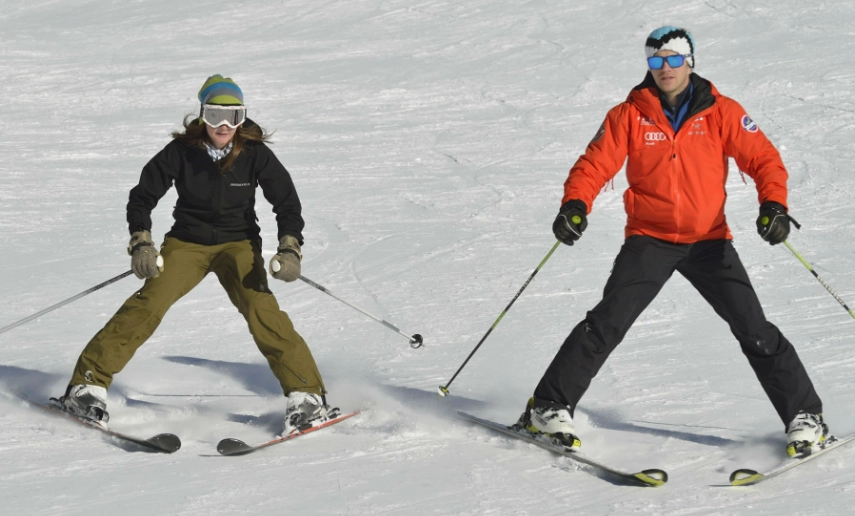
You begin the turn with a small wedge (the "stem"), but as you come around and your skis point across the hill, you actively pull the inside ski back parallel to the outside ski. You're spending less time in the wedge and more time with skis together. It feels more dynamic and fluid.
Mastering this transition is a huge milestone. It's the answer to "what are the basic ski techniques for intermediate skiing?"
Essential Skills Beyond Turning
Skiing isn't just about going down. You need a toolkit for different situations.
Using the Ski Lifts
The chairlift is a rite of passage. For a beginner, the magic carpet or a rope tow is fine, but the chairlift opens up the mountain. The key is organization. As you approach the load line, look behind you, grab your poles in one hand, and get ready to sit. Once up, lower the safety bar. To unload, as you approach the top, skis pointed straight, stand up and simply ski away from the chair, then immediately clear the unloading area. Most falls happen from hesitation or looking down at your skis. Just commit and glide.
Side-slipping and Traversing
Sometimes you need to move across a steep slope without turning. That's traversing. You point your skis across the hill and use your edges to grip. If it gets too steep or slippery, you can side-slip—keeping your skis parallel across the hill and letting them slide sideways down the slope by flattening your edges. It's a fantastic control exercise and a safe way to navigate tricky spots.
Gear and Prep: The Unseen Basic Technique
Having the right gear set up correctly is a non-negotiable basic ski technique. Bad gear can make learning impossible.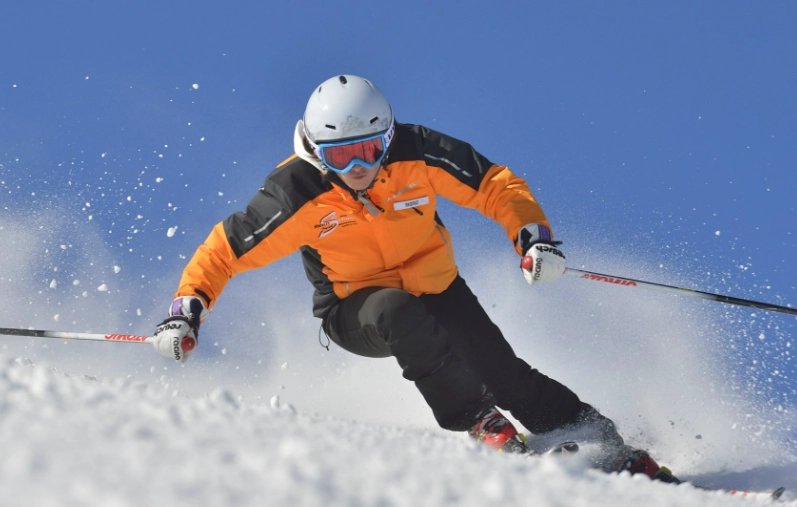
For your first few times, rent. Rental shops will set your ski bindings to the correct DIN (release tension) based on your weight, height, and ability. This is a critical safety feature. Make sure they know you're a beginner. Skis for beginners are shorter, softer, and more forgiving. They make those basic ski techniques easier to learn.
Don't forget a helmet. It's not negotiable. Goggles are essential for visibility in snow and wind. Dress in layers—you'll start cold but warm up quickly.
Safety and Mountain smarts
Knowing how to ski is one thing. Knowing how to be safe is another core skill.
- The Skier's Responsibility Code: This isn't just a poster in the lodge. It's the law of the mountain. The downhill skier has the right of way. You must look uphill before merging or starting. Always stop in a visible spot, not blind corners. You can find the full code on the National Ski Areas Association website (NSAA Responsibility Code). Read it.
- Know Your Limits: A green circle run is marked for beginners. Blue square for intermediates. Black diamond for experts. These are not suggestions. Stick to greens until you are utterly confident. I learned this the hard way by accidentally following a friend onto a blue. It was a long, scary, side-slipping descent.
- Hydration and Altitude: You're at high altitude, breathing hard, and the sun is reflecting off the snow. Drink way more water than you think you need. Fatigue leads to poor technique and injuries.
Common Questions About Basic Ski Techniques
Putting It All Together: Your First Mountain Day Plan
Let's make this practical. Here’s what a successful first or second day looks like, assuming you have some initial familiarity.
| Time | Activity & Focus | Goal |
|---|---|---|
| Morning (First Hour) | Re-familiarization on flat ground & gentle slope. Practice your stance, shuffling, and the basic snowplough. | Get your "ski legs" back. Re-establish balance and the feeling of the wedge as a brake. |
| Late Morning | Beginner slope runs. Focus on linking snowplough turns into smooth "S" shapes. Work on finishing each turn to a complete stop. | Build muscle memory and confidence. Achieve consistent speed control through turning. |
| Lunch | Rest, hydrate, refuel. Seriously, eat a good lunch. | Prevent afternoon fatigue-induced mistakes. |
| Early Afternoon | Back to beginner slope. Introduce the concept of the stem christie. Try to bring skis parallel at the end of 2 out of 3 turns. | Start the transition to more advanced technique while fresh. |
| Late Afternoon | Consolidation runs. Go back to what feels good. End on a success, not a struggle. | Finish the day with a positive feeling and solid technique. |
Look, learning to ski is a journey. Some days you'll feel like a hero, others like a clown. That's normal. The basic ski techniques we've covered—the stance, the wedge, the turn, the stop—are your foundation. Drill them. Be patient with them. Respect the mountain and your limits.
When you break it down, the answer to "what are the basic ski techniques?" is really about learning a new language of movement. It's awkward at first, then it starts to click. And when it does, when you link a few turns together without thinking and feel the cold air on your face as you glide, that's the magic. That's what keeps us coming back.
Now get out there, take a lesson, and most importantly, have fun. You've got this.