Quick Guide
- Why a Stair Lift Isn't Just a "Nice to Have"
- The Different Flavors of Chairlifts: Which One Fits Your Stairs?
- The Real-World Checklist: What to Look for in a Medical Chairlift
- The Installation Process: What Really Happens
- The Money Talk: Cost, Financing, and Surprising Ways to Save
- Living With Your Stair Lift: Maintenance and Daily Life
- Answering Your Biggest Questions
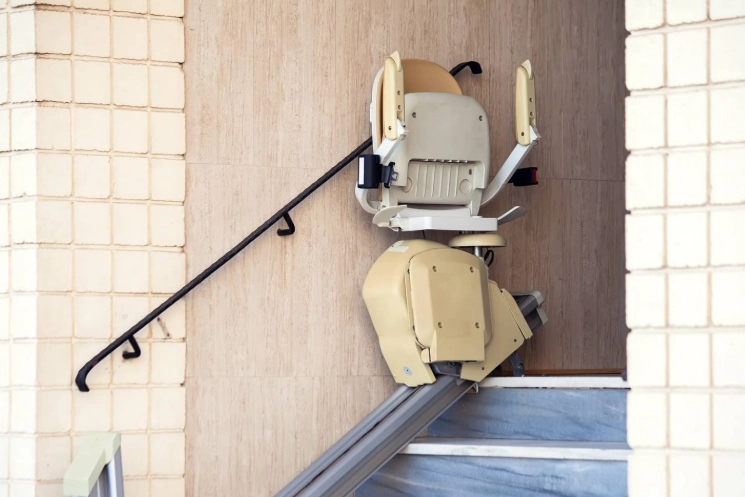
Let's talk about stairs. For most of us, they're just a part of the house. But what happens when they become a barrier? A source of anxiety, or worse, a real danger? That's where the idea of a chairlift medical device comes in. It's not just a piece of equipment; for many, it's the key to staying in the home they love.
I remember helping my own grandmother look into this years ago. The whole process felt overwhelming—confusing terms, scary price tags, and a dozen salespeople making big promises. I wish we'd had a clear, straightforward guide that cut through the marketing speak. So that's what this is. We're going to walk through everything you need to know about medical stair lifts, from the basic "what is it" to the nitty-gritty of picking one and living with it.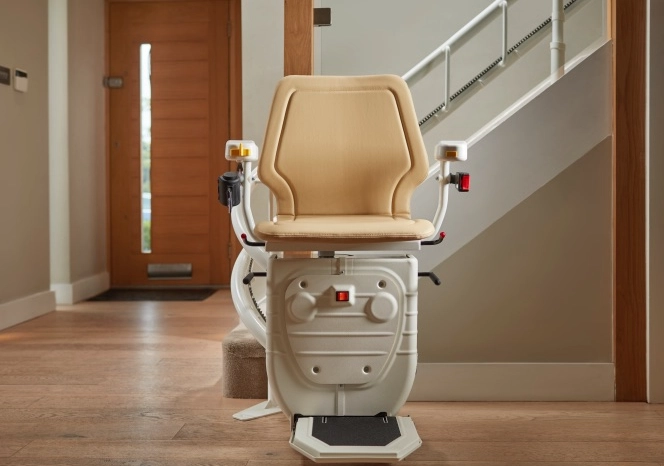
Why a Stair Lift Isn't Just a "Nice to Have"
You might be wondering if this is really necessary. Maybe you're just a bit slower on the stairs now, or you're helping a family member who's getting unsteady. The decision often comes down to safety and independence.
The statistics are pretty sobering. According to the Centers for Disease Control and Prevention (CDC), falls are a leading cause of injury for older adults. And where do a lot of those falls happen? On stairs. Installing a medical chairlift removes that specific, daily risk. It's a proactive step, not a sign of defeat.
Beyond safety, think about freedom. When stairs are a struggle, people start to limit themselves. The upstairs bedroom becomes off-limits. The laundry room in the basement might as well be on another planet. Life slowly shrinks to one floor. A stair lift breaks down that barrier. It gives back the ability to use the entire home, which is a huge boost for mental and emotional well-being.
And let's be practical for a second. It's often more cost-effective than moving to a single-story home or a senior living facility, not to mention less disruptive emotionally.
The Different Flavors of Chairlifts: Which One Fits Your Stairs?
Not all staircases are created equal, and thankfully, neither are stair lifts. Picking the right type is the first major decision. Here’s the breakdown.
Straight-Rail Stair Lifts
This is the most common and generally most affordable type. If your staircase goes from point A to point B in a straight, uninterrupted line, this is your go-to. The rail is custom-cut to fit the exact length of your stairs. Installation is relatively straightforward (pun intended).
Curved-Rail Stair Lifts
Got a staircase that turns a corner, has a landing, or wraps around? You'll need a curved-rail system. These are completely custom. The rail is fabricated to follow the unique path of your stairs. They offer incredible flexibility and can handle almost any staircase layout—L-shaped, U-shaped, even spirals.
The catch? They are significantly more expensive. We're talking two to three times the price of a straight model, easily. The engineering and custom fabrication drive up the cost. But if your stairs aren't straight, this is the only safe and functional option.
Other Configurations You Should Know About
- Outdoor Stair Lifts: Built to withstand weather. They have weatherproof covers, corrosion-resistant components, and often more powerful motors. Perfect for porches or steps leading into a garden.
- Perch Stair Lifts: Instead of a seat, you have a small platform to perch on. These are great for very narrow staircases where a seat would be too wide, or for users who have difficulty bending their knees to sit.
- Standing Stair Lifts: Similar to a perch lift but designed for the user to remain standing while holding handrails. Less common, but an option for specific needs.
The Real-World Checklist: What to Look for in a Medical Chairlift
Okay, so you know what type you need. Now, how do you choose between different brands and models? It's not just about color (though some do offer choices!). Here are the features that actually matter.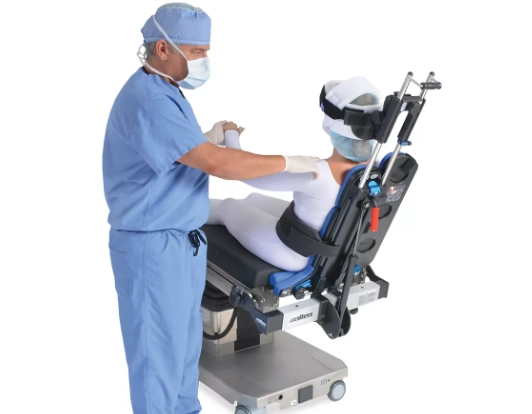
| Feature | What to Look For | Why It Matters |
|---|---|---|
| Weight Capacity | Standard is 300-350 lbs. Heavy-duty models go up to 400-500 lbs. | Must accommodate the user's weight safely. Always choose a model with a higher capacity than currently needed for longevity. |
| Seat Comfort & Dimensions | Padded seat, adjustable armrests, seat width and depth. Swivel seats are a must. | Comfort for daily use. A swivel seat at the top and bottom makes getting on and off much safer and easier. |
| Safety Features | Seatbelts, obstruction sensors, keyed or coded operation, emergency stop. | Non-negotiable. Sensors should stop the lift if something is on the stairs. A key prevents unauthorized use (important with kids). |
| Controls | Simple, large buttons on the armrest. Optional remote call/send controls. | Ease of use, especially for those with arthritis or vision issues. Remote controls let you call the chair from another floor. |
| Power & Charging | Battery-powered operation is standard. Look for easy charging. | Battery power means it works during a power outage. The chair should charge automatically when parked at a charging station. |
| Rail & Footrest | Foldable or telescopic footrest, rail that doesn't protrude too far. | Minimizes obstruction for other people using the stairs. A folding footrest is crucial for tight spaces. |
One feature I think is underrated is the smoothness of the ride. Some cheaper models can be a bit jerky when starting and stopping. A high-quality medical grade chairlift should offer a gentle, smooth glide. It just feels safer and more pleasant.
The Installation Process: What Really Happens
Let's demystify this. A proper installation by a certified technician usually takes a few hours to a full day, depending on complexity.
- In-Home Assessment: A reputable dealer will always send someone to your home first. They'll measure your stairs, check your electrical outlets, discuss your needs, and give you a firm quote. Don't trust a company that just gives a price over the phone.
- Rail Installation: The rail is securely bolted to the stair treads, not the wall. This is a critical point. It means the installation doesn't usually require major structural changes to your home.
- Chair & Power Setup: The chair is mounted onto the rail. The battery system is connected, and the charging stations are installed at the top and/or bottom of the stairs.
- Testing & Training: The technician will test every function repeatedly. Then, they should spend time training the primary user and any caregivers on how to operate it, use the safety features, and perform basic troubleshooting.
A good installation is neat and leaves your staircase fully functional for others.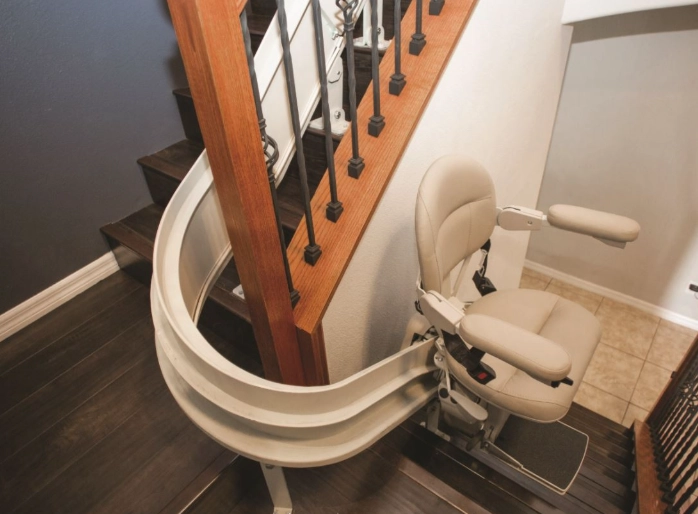
You should get detailed operation manuals and warranty paperwork. Speaking of warranties, expect a minimum of 1-2 years on parts and labor for a new lift. Some go up to 5 years.
The Money Talk: Cost, Financing, and Surprising Ways to Save
This is the part everyone worries about. Let's lay out the numbers plainly.
- Straight Stair Lift: Typically between $3,000 and $5,500 for a quality new model, including installation. The national average hovers around $4,000.
- Curved Stair Lift: Usually starts around $10,000 and can go up to $15,000 or more, depending on the complexity of the track.
- Reconditioned/Rental: You can find reconditioned models for less, and many companies offer rental options. Renting can be a great short-term solution (like during recovery from surgery).
Now, here's the good news you might not know: It's often not an out-of-pocket expense.
Navigating Insurance and Assistance Programs
Traditional Medicare (Part B) usually does not cover stair lifts because they are considered "home modifications" rather than "durable medical equipment" (DME) used for a specific medical treatment. However, there are major exceptions:
- Medicare Advantage (Part C) Plans: Many of these privately-run plans do offer benefits for home modifications like stair lifts as part of their supplemental benefits to help keep members healthy at home. You must check with your specific plan.
- Veterans Affairs (VA): The VA often covers stair lifts for veterans with a service-connected disability or a documented medical need. The process involves your VA physician and a home assessment. The VA website has resources, but talking to your VA social worker is the best start.
- Medicaid Waiver Programs: State-run Medicaid programs often have Home and Community-Based Services (HCBS) waivers that can pay for home modifications to prevent institutionalization. Eligibility and benefits vary wildly by state.
- Long-Term Care Insurance: If you have a policy, it very likely covers home modifications like stair lifts. Review your policy details.
I've seen people get significant coverage through these channels. It takes paperwork and persistence, but it's worth it.
Living With Your Stair Lift: Maintenance and Daily Life
Once it's installed, it becomes part of the household. Maintenance is pretty minimal, which is a plus.
- Weekly: Wipe down the seat and armrests. Check that the track is clear of dust and debris.
- Monthly: Listen for any unusual noises. Check that the seat swivels and locks smoothly.
- Annually: Consider a professional service check. Many companies offer a yearly maintenance plan.
The biggest daily tip? Make sure it's always parked at a charging station so the batteries stay topped up. Modern batteries are good, but letting them fully die isn't great for their lifespan.
What about the rest of the family using the stairs? There's an adjustment period. Everyone needs to remember to fold up the footrest and swivel the seat out of the way. It becomes second nature quickly. The rail does take up a few inches of stair width, but most people adapt without issue.
Answering Your Biggest Questions
Will a stair lift damage my stairs or walls?
Generally, no. The rail is attached directly to the stair treads with sturdy brackets. It doesn't rely on the wall for support at all. When installed and eventually removed by a professional, the small bolt holes in the treads can be filled with wood filler. It's a very minor repair. Any reputable installer will take great care to protect your home during the process.
Can I install a chairlift medical device myself?
I'm going to be blunt: Do not attempt this. This isn't assembling an Ikea bookshelf. An incorrect installation can lead to catastrophic failure. It involves precise measurements, electrical connections, and calibrating critical safety sensors. The liability and risk of injury are far too high. Always use a certified, insured professional. The cost of installation is part of the safety package.
What happens during a power outage?
A well-designed medical chairlift runs on a rechargeable battery. The house power simply charges that battery. So during an outage, the lift should continue to operate normally for many trips up and down until the battery eventually depletes. Once power is restored, it recharges. This is a core safety feature.
Are used stair lifts a good idea?
They can be, but you have to be extremely careful. A used straight lift from a reputable dealer that has been professionally reconditioned, fitted with new batteries, and comes with a warranty can be a smart way to save money. Never buy a used curved lift. Its rail is custom-made for one specific staircase and will almost certainly not fit yours. And never buy a used lift from a private seller online unless you are having it fully inspected and reinstalled by a professional.
How do I find a reputable dealer?
Start with the major national brands (like Acorn, Bruno, Stannah, Handicare). They have networks of local dealers. Check the Better Business Bureau (BBB) website for ratings and reviews. Ask for local references. A good sign is a company that's been in business in your community for many years. They should be happy to provide the in-home assessment with no pressure to buy on the spot.
Making the decision to get a chairlift medical aid is about regaining control. It's about choosing safety and freedom over fear and limitation. It’s a practical solution to a very real problem. By understanding the types, features, costs, and process, you can move forward with confidence, knowing you're making a well-informed choice for a safer, more accessible home.
The goal isn't just to get up the stairs. It's to get on with life.