If you're standing at the base of a mountain, looking up at the white expanse, and wondering what it's actually like to strap one board to your feet and point it downhill, you're asking the right question. Snowboarding isn't something you can fully grasp from a YouTube clip. It's a visceral, multi-layered experience that blends physical challenge with profound mental release. To me, after years of chasing snow, it's equal parts meditation, dance, and controlled chaos. It starts with a feeling of pure vulnerability, then transforms into a unique kind of freedom you can't find anywhere else.
What You'll Find Inside
The Core Feeling: It's Not What You Think
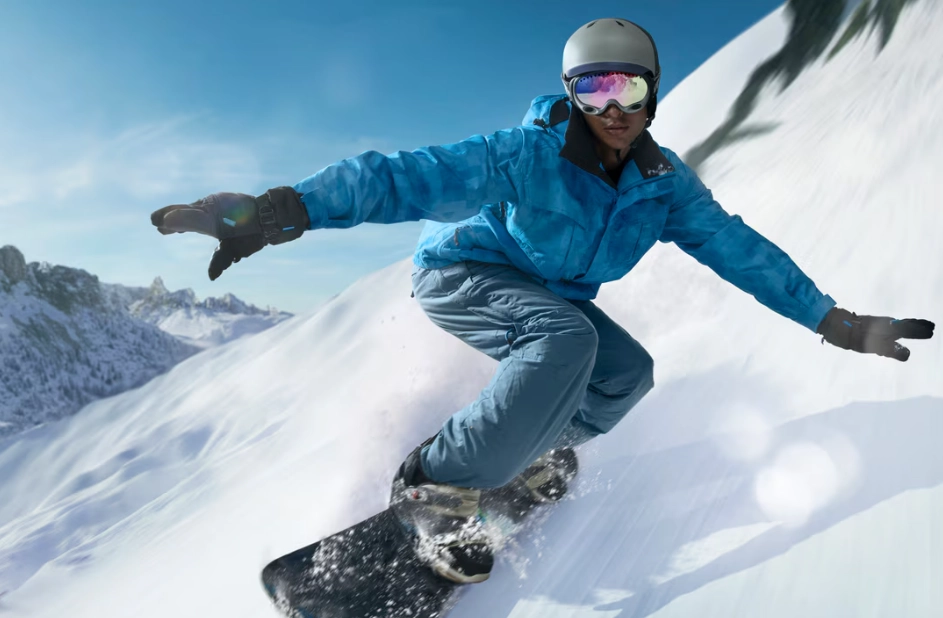
Most people think snowboarding is about speed and adrenaline. That's part of it, but it's the shallowest layer. The real magic happens in the flow state. When you stop thinking about your edges, your posture, or the other people on the run, and you just feel the snow. Your board becomes an extension of your body. You lean, it carves. You relax, it floats.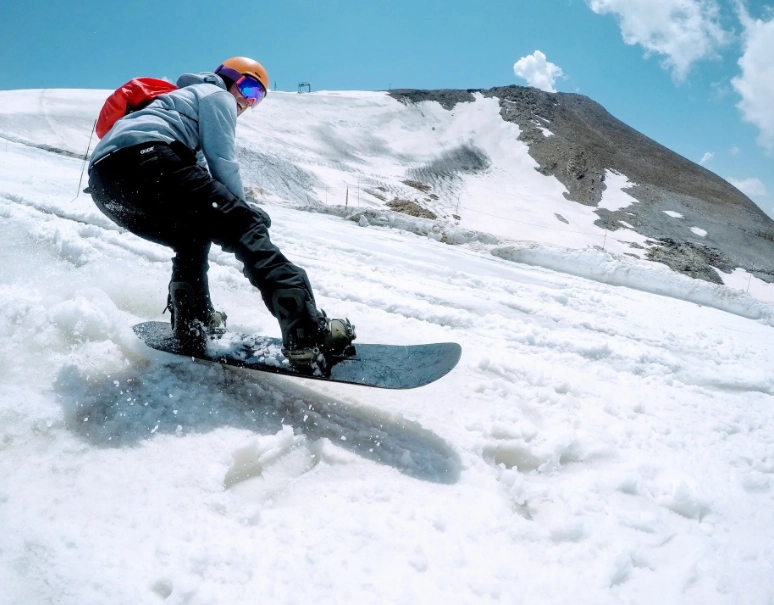
It's a conversation with the mountain. The crunch of packed powder under a sharp turn, the near-silent whoosh through fresh champagne snow, the rhythmic bump-bump-bump over a mogul field. Each terrain speaks a different language, and snowboarding is how you learn to listen and respond.
There's also a massive social and cultural component. The lift line chatter, the shared struggle of a tough run, the post-session beers. It creates a tribe. You'll notice it—snowboarders give a subtle nod to each other that skiers often don't. It comes from that shared understanding of starting from absolute zero, from the universal memory of a sore tailbone.
The First-Time Perspective: A Realistic Breakdown
Let's be brutally honest: your first day will likely involve frustration. You'll spend a lot of time on your backside or your knees, wondering why your board has a mind of its own. This is normal. The learning curve is steep but short. Getting past that initial hump is the key.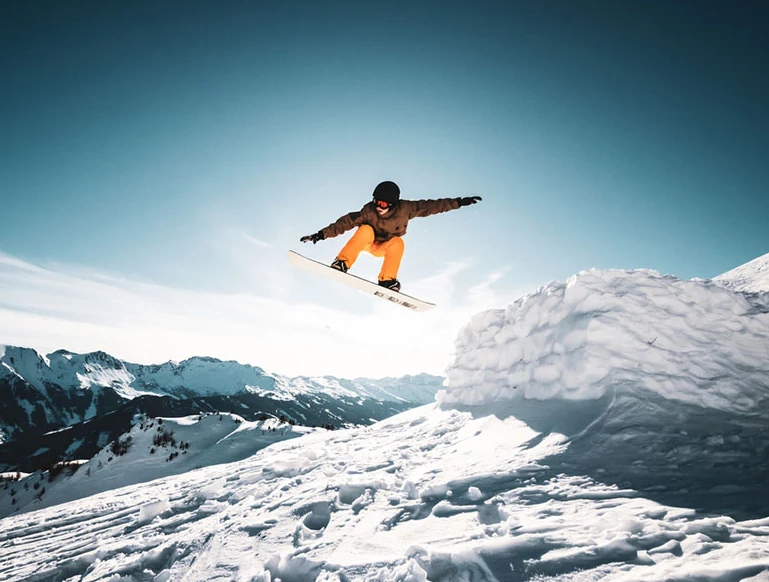
Here’s a practical, step-by-step view of what starting out actually entails:
Gear That Makes or Breaks Your Day
Rental gear has improved, but it's often a compromise. A well-fitted boot is the single most important piece of equipment. If your feet hurt, you're miserable. Don't be shy about trying on multiple pairs until one feels like a firm, comfortable hug.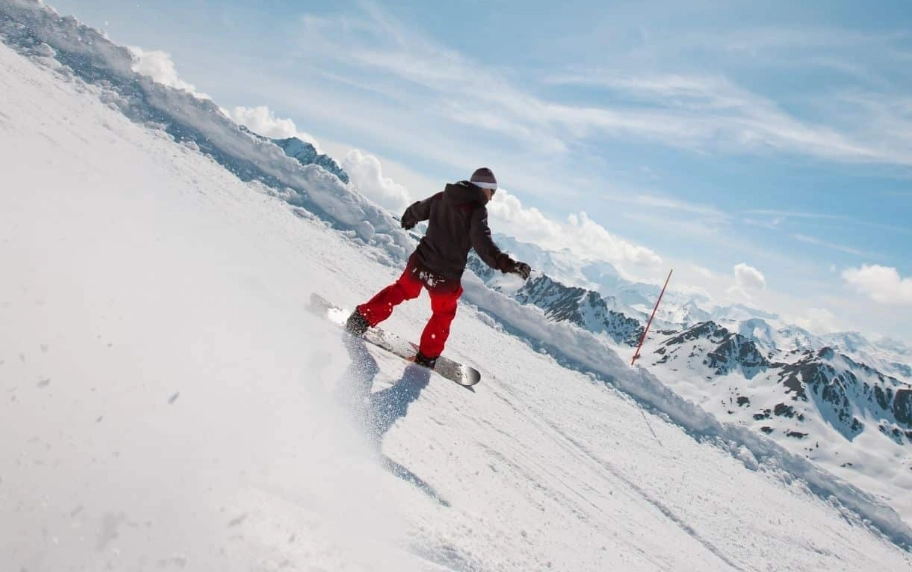
| Gear Item | Beginner Focus | Why It Matters |
|---|---|---|
| Boots | Comfort & Snug Fit | Loose boots kill control. Painful boots kill fun. This is non-negotiable. |
| Board | Soft Flex, Directional Shape | A softer board is more forgiving and easier to turn. A "true twin" symmetrical board isn't necessary yet. |
| Bindings | Easy Entry/Exit, Medium Flex | You'll be getting in and out a lot. Strap-in bindings are still the most beginner-friendly. |
| Outerwear | Waterproof & Ventilation | You'll be sitting in snow. Cheap jackets get wet fast. Look for at least 10k waterproof rating. |
| Wrist Guards | Mandatory Investment | The most common beginner injury is a sprained or broken wrist. These are cheap insurance. |
Finding the Right Place to Learn
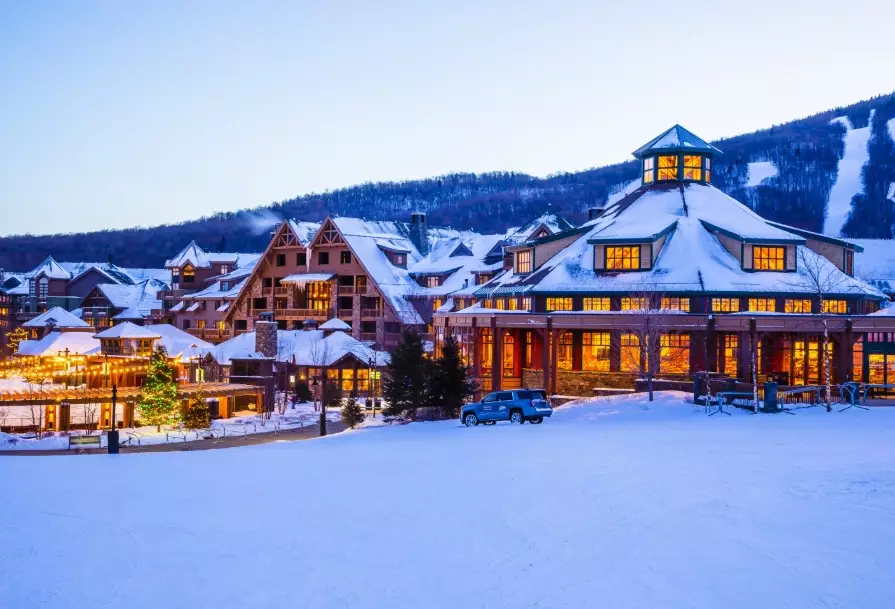
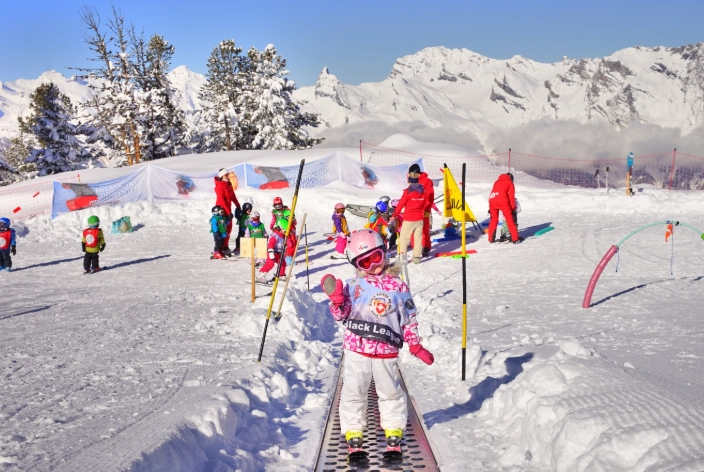
Not all resorts are created equal for beginners. A massive, steep mountain with no good beginner area is a nightmare. Look for resorts that advertise a dedicated "learning area" with a magic carpet (a conveyor belt lift) and a long, gentle, wide green run. Places like Whistler's Olympic Learning Area or Park City's First Time area are designed for this. A good ski school is worth every penny—a 2-hour group lesson will accelerate your progress more than two days of struggling alone.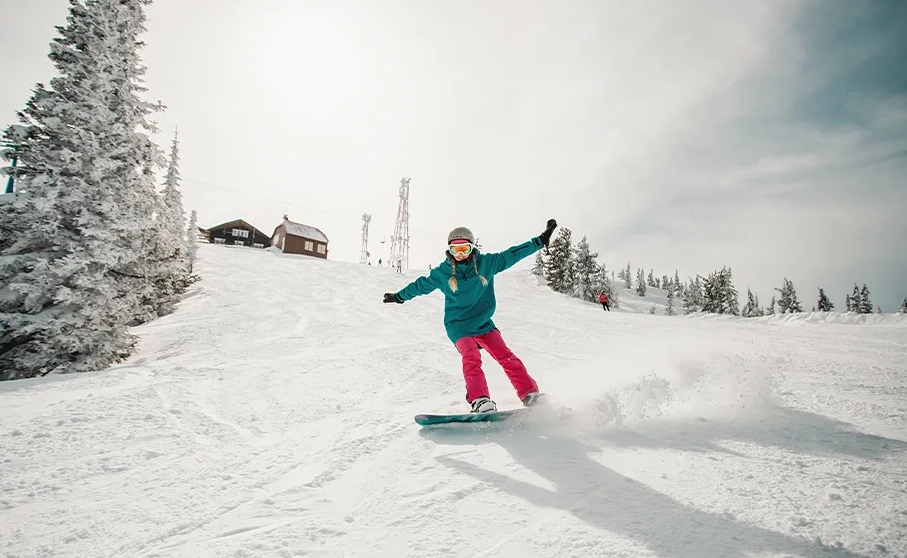
Pro Tip from a Former Instructor: The biggest mistake I saw? People leaning back downhill instinctively. It feels safe, but it takes all control away from your front foot, which steers the board. You have to fight that instinct and commit your weight forward over your front foot. It's counterintuitive, but it's the secret to your first linked turns.
The Different Dimensions of Riding
Once you're past the basics, snowboarding splinters into different worlds. Your initial description of the sport will change based on which path you take.
Freestyle: The Playground
This is what you see in the Olympics and videos. It's about creativity, tricks, and style in terrain parks. It involves jumps, rails, boxes, and halfpipes. The feeling here is one of pop, spin, and stomping a landing. It's high-risk, high-reward, and incredibly technical. Progression is measured in 180s, 360s, and board slides.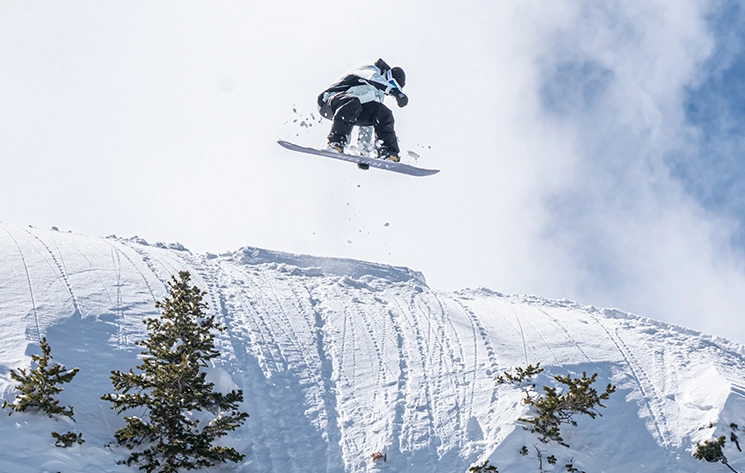
Freeride: The Soul of the Sport
This is my personal love. It's about exploring the whole mountain, especially off the groomed trails. Hunting for powder stashes in the trees, picking your line down a steep chute, riding natural features. The feeling is one of exploration and connection with raw nature. It requires more mountain awareness and often involves hiking or taking backcountry gates (with proper safety gear—avalanche beacon, probe, shovel). This is where the "flow state" is most profound.
Alpine/Carving: The Need for Speed
Less common but deeply satisfying. Riders use hard boots and specialized, stiff boards to lay down high-speed, razor-sharp turns on groomed runs. The feeling is one of powerful, precise G-forces, with your body almost parallel to the snow. It's like being on a rollercoaster you control.
Essential Safety & Progression Tips
Beyond the wrist guards, safety is about mindset.
- Know the Code: The responsibility code isn't just a sign. The downhill rider has the right of way. You must look uphill before merging or starting.
- Start Small, Progress Slowly: Don't let friends drag you onto a blue square on day two. Master the falling leaf, then the J-turn, then linking turns on a green. Solidify each step.
- Fitness Matters: Snowboarding uses muscles you forget you have. Some pre-season leg and core workouts (squats, lunges, planks) will drastically reduce fatigue and improve control.
- Hydrate: Cold, dry air and exertion dehydrate you fast. Drink water all day.
Common Mistakes & How to Avoid Them
Here are a few subtle errors that hold people back for seasons.
Looking Down at Your Board: Your body follows your eyes. If you stare at your toes, you'll go straight to the ground. Look where you want to go—down the run, through the turn.
Being Too Static: Snowboarding is a dynamic sport. You need to bend your knees and use your body like a spring. Standing stiff-legged is a one-way ticket to catching an edge.
Relying Only on Your Back Foot to Steer: This is the "rudder" method. It works at low speeds but falls apart completely when you need to make a quick, decisive turn or control your speed on steeper terrain. The power and initiation must come from your front foot and your leading shoulder.
Not Getting Your Board Tuned: A board with dull edges and dry base is harder to control and slower. A basic wax and edge sharpen once a season makes a world of difference, even for beginners.