If you're searching for the largest ski resort in West Virginia, the answer is straightforward: Snowshoe Mountain Resort. It's not even close. While the state has a handful of smaller, charming ski areas, Snowshoe operates on a different scale entirely. Think of it as the Appalachian answer to a Western mega-resort, crammed onto a sprawling 11,000-acre plateau in the remote highlands of Pocahontas County. I've skied there for over a decade, and its sheer size and variety still surprise me. But "biggest" isn't just about acreage. It's about what that size means for your trip—the terrain choices, the village life, the logistics, and yes, the potential pitfalls that first-timers often miss.
Your Quick Mountain Guide
Address: 10 Snowshoe Drive, Snowshoe, WV 26209. Don't rely solely on GPS in the final stretch; follow the resort's well-marked signs.
Typical Winter Season: Mid-December through late March, weather permitting. They have one of the most extensive snowmaking systems in the region.
Base Elevation: 4,848 ft. This is the highest in the mid-Atlantic, which is key to its longer season and better snow.
Why Snowshoe is King: By the Numbers
Let's cut through the marketing. What does "largest" actually mean at Snowshoe? It's a combination of factors that no other WV resort can match.
| Metric | Snowshoe Mountain | Why It Matters |
|---|---|---|
| Skiable Terrain | 257 acres | Nearly double the next largest WV resort. This means less crowding and more run variety. |
| Vertical Drop | 1,500 feet | The biggest vertical in the state. You get longer, more sustained runs. |
| Lifts | 14 total (including 1 high-speed detachable 6-pack, 2 high-speed quads) | Modern lifts move you uphill fast, maximizing your time skiing down. |
| Trails | 60+ trails | A balanced mix: 18% beginner, 57% intermediate, 25% advanced/expert. |
| Snowmaking Coverage | 100% of terrain | Critical for reliable conditions in the variable Appalachian winters. |
Here's a local's insight you won't find on the trail map: the "257 acres" feels even bigger because of how the resort is laid out across three separate, disconnected areas. You can't ski between them, which is a common rookie mistake to plan around. You take a shuttle or drive. This segmentation, while occasionally inconvenient, creates distinct personalities for each zone.
Navigating Three Distinct Mountain Areas
This is the most crucial thing to understand before you go. Snowshoe isn't one single mountain face; it's a trio.
1. The Basin Area (The Main Hub)
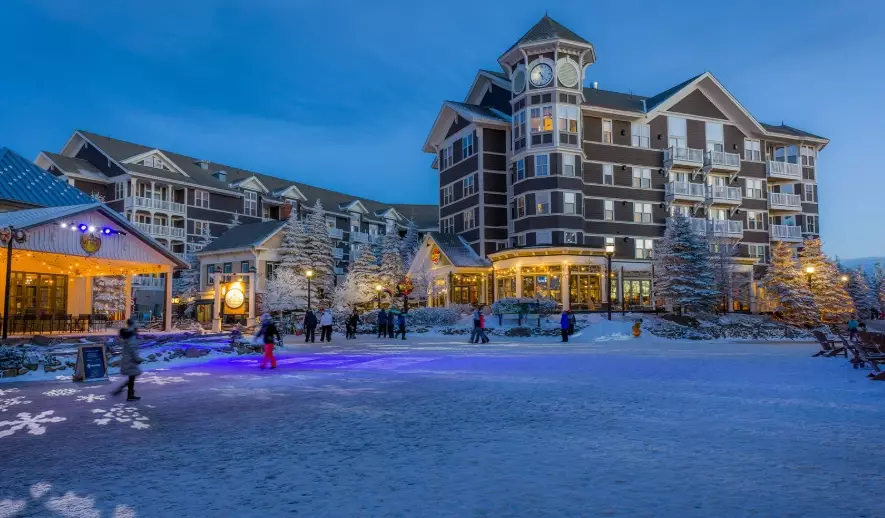
This is where you'll likely start. It's centered around the Snowshoe Village, a dense, pedestrian-only cluster of shops, hotels, and restaurants that feels almost European. The terrain here is perfect for beginners and intermediates. The Ballhooter high-speed quad services a wide, forgiving slope. The learning area here is excellent. My personal take? The village is fantastic for convenience but can feel a bit manufactured and pricey compared to the rustic charm of other WV spots.
2. The Western Territory (The Big Daddy)
Accessed by the Western Express lift from the top of the Basin, this is Snowshoe's claim to fame. It houses Cupp Run and Shaver's Centre, the two longest, steepest, and most demanding runs in the state. This is expert terrain by Eastern standards. The catch? It's often the first area to get wind-affected or fogged in. If it's a clear day, head here first. If it's a whiteout, it can be a disorienting challenge.
3. Silver Creek (The Local's Favorite)
Located a 5-minute drive or free shuttle ride from the main village, Silver Creek has its own lodge, lifts, and a completely different vibe—more relaxed, family-oriented, and often less crowded. It's home to the region's largest night skiing operation. The terrain is mostly gentle, making it ideal for beginners in the day and intermediates looking for fun under the lights. Their separate lift ticket option can be a huge money-saver if you're not trying to conquer the whole mountain.
Planning Your Visit: Lift Tickets, Rentals, and Hours
This is where trips get derailed by poor planning. Let's get concrete.
Lift Tickets: Walk-up window rates are steep, often exceeding $130/day on peak weekends. You must buy online in advance. Savings can be 20-30%. Check their website for multi-day packages or mid-week deals. They also partner with Epic Pass, which offers significant access.
Rental Equipment: Reserve online. The main rental shop in the Village is efficient but chaotic at peak times. A pro-tip: consider renting at the Expedition Station at the top of the mountain (accessible by car). It's typically less crowded. They offer standard and high-performance demos.
Operating Hours: Typically 9:00 AM – 4:30 PM for day skiing. Silver Creek night skiing runs from 4:00 PM – 9:00 PM on select nights. Always verify the current schedule on the official Snowshoe Mountain website.
Getting There and Where to Stay
The Drive: Snowshoe is remote. From Washington D.C., it's a 4.5+ hour drive. The final 45 minutes are on winding mountain roads (Route 66/State Route 39). If it's snowing, you will need 4WD/AWD or chains. The resort plows diligently, but the state roads can be slick. There's no easy public transport option.
Lodging Choices: You have two philosophies:
- Slope-side in the Village: Maximum convenience, walk to lifts. Check out the Snowshoe Inn or The Allegheny Springs. Prices are premium.
- Off-Mountain or at Silver Creek: Better value. The Inn at Snowshoe (at Silver Creek) is a great budget-friendly choice with direct slope access. Many rent condos or houses in the surrounding area (like in the town of Marlinton), which requires a daily drive up the mountain.
A negative but honest point: the check-in/check-out process for many condo rentals can be slow and disorganized. Plan for it.
Beyond Skiing: Dining & Après-Ski
The village has over 20 dining options. It's not a gourmet paradise, but there's solid variety.
For a hearty post-ski meal: The Foxfire Grille has reliable burgers and pasta. The Junction offers casual American fare.
For a drink with atmosphere: The Boathouse has a great patio (if weather permits) and live music. Cave Adventures in the basement of the Mountain Lodge is a quirky spot.
My personal favorite is actually off-mountain: The Jerky Factory & Store in Marlinton. Grab some local beef jerky for the ride home.
A Sample Itinerary for First-Timers
Let's make this actionable. Here's how I'd structure a 2-day weekend for an intermediate skier.
Day 1 (Saturday): Arrive early, pick up pre-booked rentals at Expedition Station. Ski the Basin Area all day. Warm up on Ballhooter, explore the Skidder and Grabhammer lifts. Have lunch at the Summit Lodge. In the afternoon, take the Western Express to sample the top of Cupp Run (if conditions are good). Après-ski at The Boathouse. Dinner reservation at Foxfire.
Day 2 (Sunday): Drive or shuttle to Silver Creek. Enjoy the mellower, wide-open slopes. Have a casual lunch at the Silver Creek Lodge. Ski until mid-afternoon, then pack up. Consider stopping for a late lunch/early dinner in Marlinton on your way out to avoid the rush.
One Non-Consensus View: Many guides push beginners straight to Snowshoe because it's the biggest. I disagree. A total novice might be overwhelmed by the scale, cost, and logistics. Smaller resorts like Winterplace or Canaan Valley can offer a gentler, more affordable introduction. Snowshoe shines for intermediates wanting to progress and advanced skiers seeking the steepest pitches in the state.
Expert Tips and Your Questions Answered
So, is Snowshoe Mountain the largest ski resort in West Virginia? Absolutely. It's a self-contained winter universe with terrain for everyone, albeit with a complexity that demands a bit of planning. For skiers and riders in the Mid-Atlantic and Southeast looking for the most expansive, resort-like experience within a day's drive, it remains the top destination. Just go in with your eyes open, buy your tickets early, and be ready for that mountain road.